
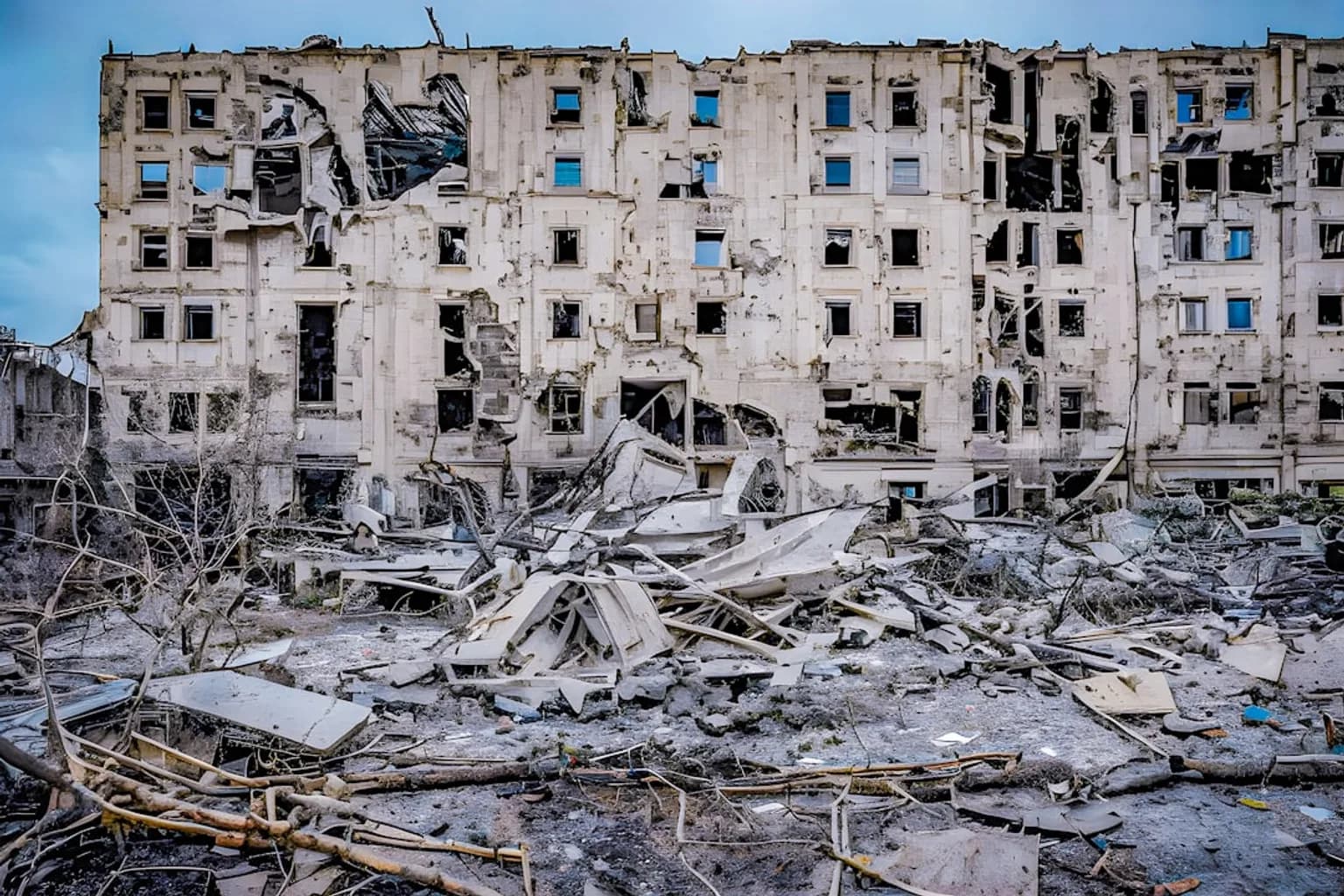
Ukraine is facing a harsher winter as Russian strikes on its economic infrastructure add to a deepening fiscal crisis, Ukrainian officials say. The attacks have hit energy facilities, industrial production and Black Sea export routes, reducing the country’s capacity to produce goods and earn export income while budget pressures are rising.
Oleksandr Kravchenko, the economy minister, put damage to infrastructure and fixed assets caused by Russian air strikes at close to $10 billion this year. The estimate covers physical damage to assets, while the wider economic effect is expected to reach further through disrupted production and trade.
Ukrainian officials assess the broader cost of the attacks and the de facto blockage of ports at about 1.5 percentage points of gross domestic product. They say lost export revenue could amount to tens of billions of dollars, though the brief provides no breakdown by commodity or sector.
Russian operations have targeted critical economic assets, including energy facilities, port infrastructure and major industrial producers. The effects have spread across the economy by interrupting production, restricting access to export channels and limiting fiscal resources at a time when Ukraine is preparing for winter.
Steel production has been knocked out by Russian strikes, according to the information provided by Ukrainian officials. Metinvest has also been affected in the strikes on Ukrainian infrastructure. The available information does not set out the scale of the disruption at Metinvest or whether any affected closures are temporary or permanent.
The pressure on energy infrastructure carries particular weight during the winter, when damage to essential systems compounds the wider economic cost of the war. Ukraine’s government must contend with lost export earnings and damaged fixed assets alongside the fiscal demands of defence and social support.
The figures underline the distinction between the immediate destruction caused by air strikes and the longer economic losses from constrained trade. The close to $10 billion estimate measures damage to infrastructure and fixed assets this year, while the projected effect on gross domestic product and the potential loss of export revenue reflect the continuing disruption to production and Black Sea routes.
Officials have not provided a detailed division of the damage estimate across infrastructure categories, a sequence of the most damaging strikes or an account of which industries beyond steel have sustained the greatest disruption. The scope for supply chains and exports to stabilise also remains unclear as Ukraine enters winter under continued pressure on its energy system, industry and ports.




Comments (0)