
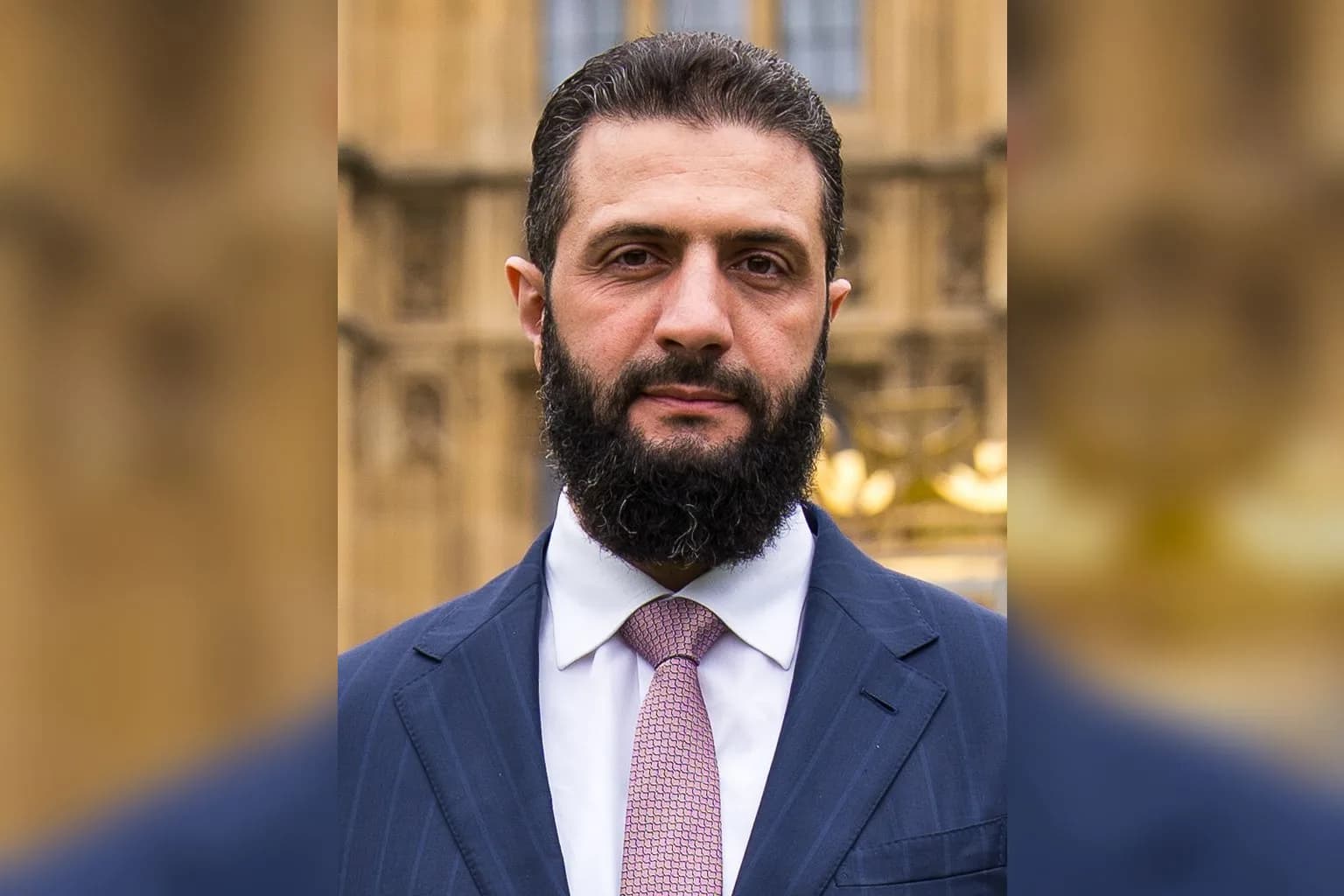
When Bashar Assad’s 24-year rule, which began in 2000, ended with his overthrow by armed opposition forces in December 2024, he fled to Russia and received asylum. Ahmad al-Sharaa, Syria’s interim president, emerged as the leader of the new authorities.
In 2025, al-Sharaa created the Syrian Sovereignty Fund by presidential order to gather assets confiscated from people linked to the former Assad regime into one institution under presidential control. The Finance Ministry put the value of its assets at approximately $50 billion in the past year.
The portfolio spans factories, commercial centres, real estate, banking stakes and companies taken from entrepreneurs connected to the previous regime. Its operations extend through Damascus and across the country.
Among its holdings are 32 structures in trade, services and banking that were previously owned by Samer Foz, a prominent businessman under Assad. It also manages a shopping centre in Damascus confiscated from Mohammad and Wassim Qattan. The USA and European countries imposed sanctions on Foz and Wassim Qattan for supporting the former Syrian authorities.
The fund reports directly to the president and is chaired by the Minister of Tourism. Ibrahim Sukkarieh, a Lebanese and Australian citizen who has previously faced Australian sanctions, runs its executive operations.
Over 40,000 workers are employed across enterprises affiliated with the fund, including factories, shopping centres, real estate and banking businesses. Their command structure is controlled by the presidency.
The fund’s offices have received delegations from Gulf companies, including the UAE company Arada, as well as Turkish and Saudi enterprises seeking investment and partnership opportunities. It has concluded a $7 billion real estate development agreement with Arada. It also has cooperation agreements with Tiryaki Agro of Turkey and Saudi Riyadh Cables Group on asset management and modernisation, while seeking Gulf capital and further regional partnerships.
Yet the fund does not publish detailed information on the composition of its assets, its investments or its management. Information about its financial performance has not been disclosed.
Thaer Laha, managing director of the Syrian Business Council, called the fund “the most significant” economic body and “the richest structure in Syria at the moment”. An entrepreneur working with the fund offered a similarly stark account of its place in the new order: “What is the state today? It consists of the ministries and the fund”.
In August 2026, a Syrian court sentenced Assad to death for crimes against humanity. As of October 2026, the fund remained without public detail on its assets, revenue or management while holding a large share of the wealth accumulated under the former regime.




Comments (0)