
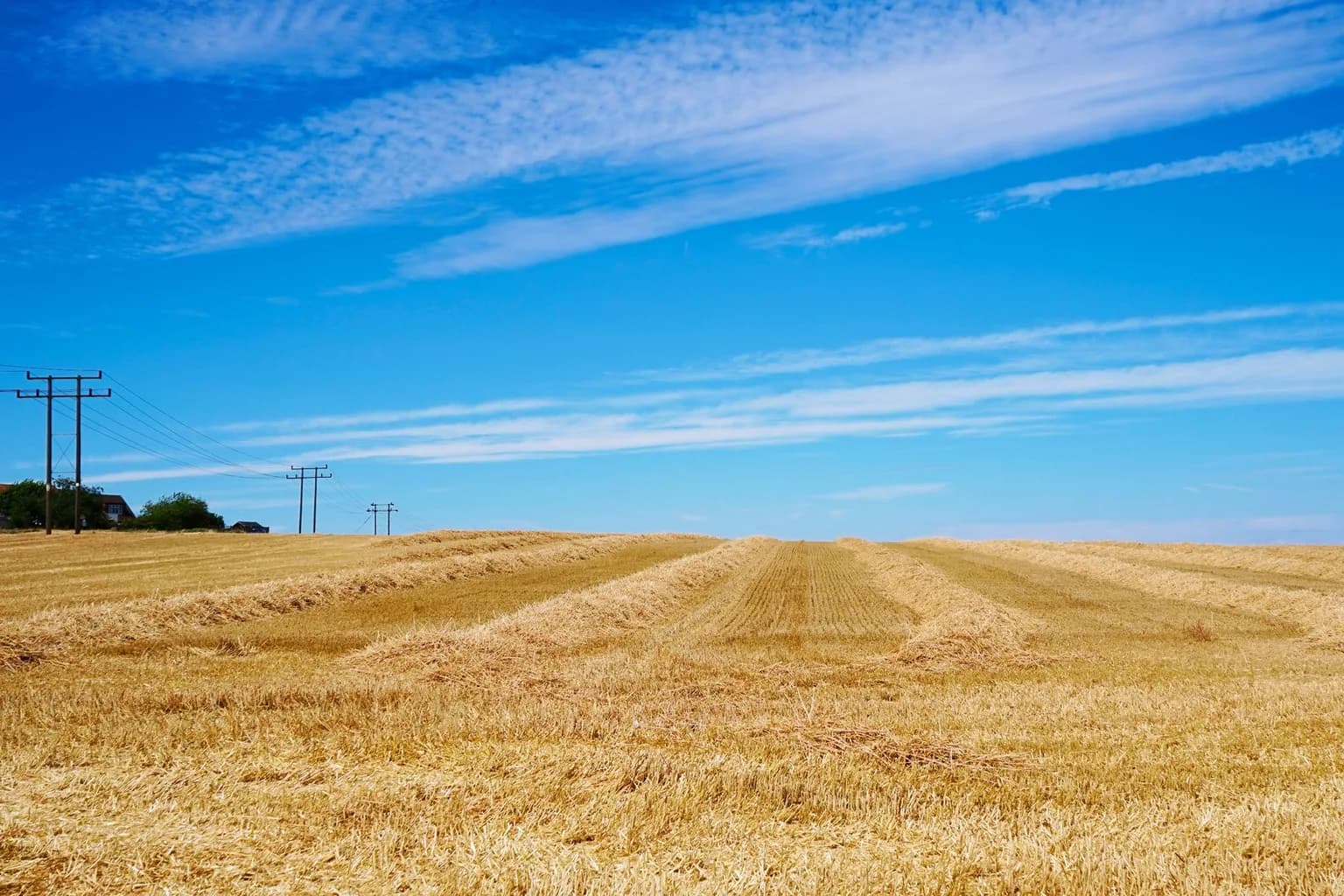
British and European negotiators are close to an agreement that would protect UK gene-edited crops from a current EU ban, bringing a wider deal on food and agricultural trade closer. The proposed sanitary and phytosanitary agreement, known as an SPS agreement, could remove a large share of the checks that affect agricultural and food trade between Britain and the EU.
The compromise would exempt British gene-edited crops from current EU law. They would have to comply once the EU’s new rules take effect in two years. The EU eased its strict gene-editing rules in July 2026, with the new regulations due to come into force in July 2028.
The concession carries weight for a sector Britain has used post-Brexit freedoms to develop. Two British farmers became the first in Europe to grow and harvest gene-edited crops in commercial field conditions in summer 2026. Britain has pursued the crops because they are more resistant to drought and disease.
Tom Bradshaw, president of the National Farmers’ Union, said precision-breeding technologies including gene editing could offer significant benefits for British agriculture and help farms withstand extreme weather such as the summer of 2026.
The wider bargain would create a common SPS area between Britain and the EU. It would require dynamic alignment with some European rules on food safety, labelling, pesticides, and animal and plant health. The vast majority of movements involving animals, animal products, plants and plant products between Great Britain and the EU would no longer need the certificates or controls currently required under rules covered by the agreement.
There are 76 EU Regulations and Directives in the proposed agreement. They cover food, feed, animal welfare, transport, slaughter and health, as well as plants and pesticides. During 2027, UK food businesses would have to ensure their activities, products and labels comply with EU food laws within the agreement’s scope.
The agreement would leave Britain outside EU decision-making. It would not become an EU member state or gain a “seat at the table”, though it would be required to make an “appropriate financial contribution” to support the EU’s work. Its central principle is that the same rules should apply at all times through timely dynamic alignment in Great Britain with relevant EU rules.
That is the central post-Brexit trade-off. Before leaving the EU, British ministers helped negotiate European legislation, British members of the European Parliament voted on it, and British officials helped shape the technical rules followed by businesses across Europe.
The United Kingdom formally left the EU on 31 January 2020, and its transition period ended in 2021. Keir Starmer’s Labour government came to power in 2024 seeking substantially better relations with the EU without reopening the question of membership. Labour agreed to align with EU plant and health rules in May 2025.
An EU-UK summit was held in London on 19 May 2025. By early 2026, both sides were reporting progress on Erasmus+, energy and several parts of the wider economic relationship. Yet in September 2026, an apparently technical argument over future “Made in Europe” rules delayed preparations for the next London-Brussels summit.
The SPS talks have reached an advanced stage and are expected to conclude as soon as possible. Draft legislation may emerge in early 2027, with the agreement due to take effect in mid-2027, subject to transitional provisions.
British negotiators are also seeking exceptions for Scottish oats from strict EU mould-testing rules. The outcome matters across a trading relationship in which the EU accounted for 41% of UK exports and 51% of imports in 2024.




Comments (0)