
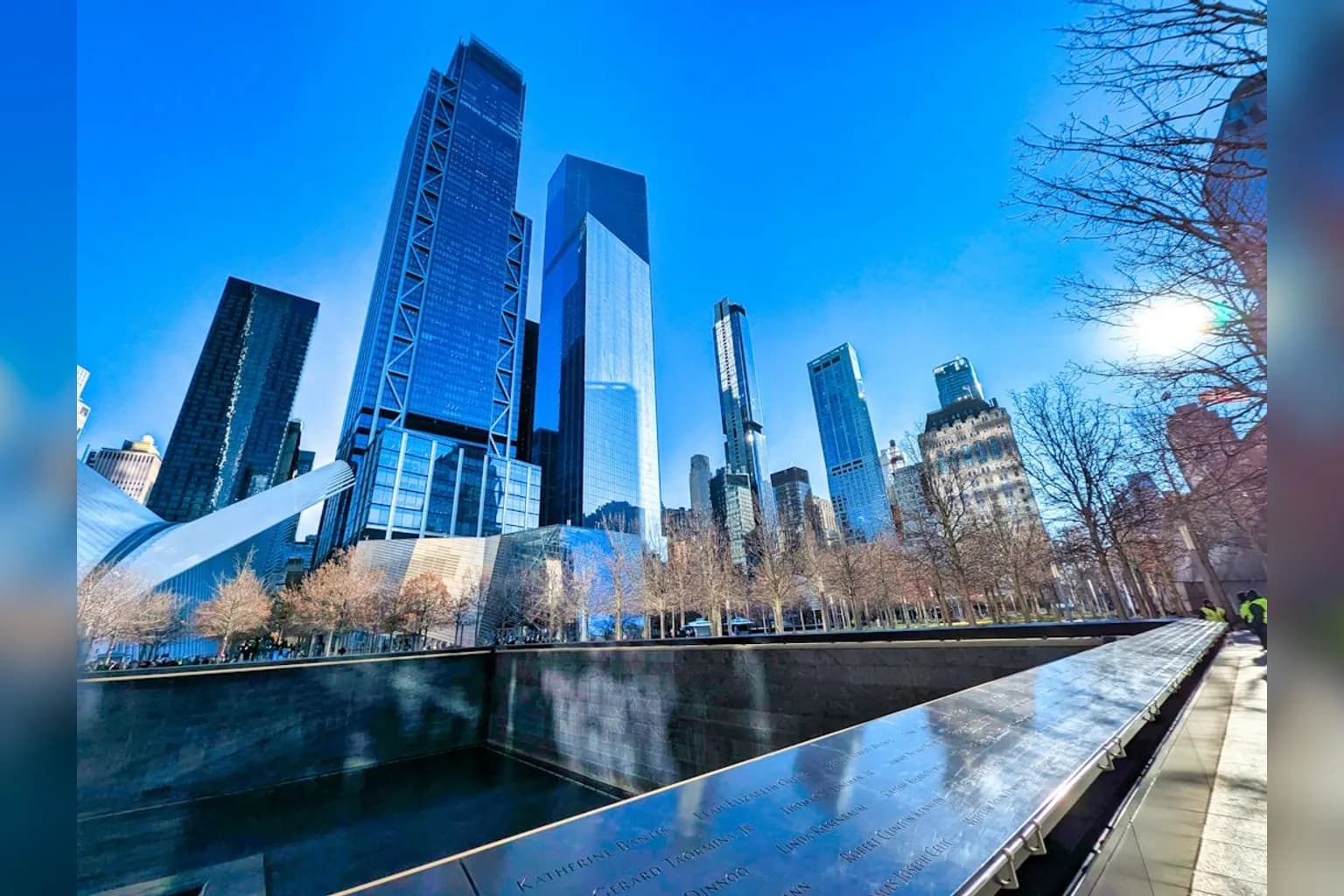
Cancer is the most commonly certified condition in the federal World Trade Center Health Program, which has recorded more than 57,000 cases since its creation. The programme provides medical monitoring and treatment to more than 154,000 responders and survivors exposed to the attacks and their aftermath.
The number of survivors receiving support for cancer care has risen sharply. As of 2026, 27,300 survivors were receiving aid, compared with 8,870 in June 2021. Roughly half of the 54,000 survivors enrolled in the programme are being treated for cancer, up from 35% five years earlier.
The World Trade Center attacks released dust and smoke that contained asbestos, benzene and other substances known to cause cancer. Researchers have tracked cancer among people exposed during rescue and recovery work, while questions remain about the separate effects of individual contaminants and about risks among less-studied exposed groups.
A 2021 pooling study published in the Journal of the National Cancer Institute examined three main responder cohorts. It covered 57,402 rescue and recovery workers followed through 2015.
Across all first-primary cancers combined, the incidence ratio was 0.96 (0.93 to 0.99), placing the overall rate at or slightly below that expected in the general population. Several specific cancers occurred more often. The incidence ratio was 1.81 (1.57 to 2.09) for thyroid cancer, 1.19 (1.11 to 1.26) for prostate cancer and 1.43 (1.24 to 1.64) for melanoma.
The study also found higher risks among workers who arrived on 11 September than among those who arrived after 17 September. The adjusted hazard ratio was 1.61 (1.33 to 1.95) for prostate cancer and 1.77 (1.11 to 2.81) for thyroid cancer. Arrival date is used as an indicator of the intensity of dust exposure, although the contribution of particular substances to individual cancers remains unclear.
Healthcare providers have also recorded a recent rise in diagnoses. Northwell Health's World Trade Center Health Program reported 177 9/11-certified cancer diagnoses in 2023 and 235 in 2025. It reported 132 diagnoses through the first half of 2026. A recent New York University study found that cancer cases rose about 2.5-fold between 2019 and 2024.
There are signs that some cancers are appearing earlier or with more severe features among survivors. Breast cancers were diagnosed about four years earlier than the national average, and a higher share were aggressive forms compared with national patterns. Northwell has also reported that its World Trade Center patients develop lymphoma 10 years earlier on average than its other patients with the disease.
An unusual number of lung cancer patients among 9/11 survivors were women who had never smoked. About 30% of Northwell's World Trade Center patients who were police officers or other responders have been diagnosed with cancer.
Despite the higher incidence of several cancers, responders with cancer enrolled in the federal programme are dying from the disease at rates 26% to 64% lower than the general population of New York State. The programme's screening system may be an important factor. About 54% of eligible members are screened for cancers such as lung cancer, compared with an 18% national rate.
The lower death rates coincide with earlier detection and dedicated care, although the available information does not establish how much each factor contributes. It is also unknown whether the mortality advantage can continue as the exposed population ages and cancer prevalence rises.
The long-term picture remains unsettled. Researchers do not yet know whether the acceleration in diagnoses reflects the delayed emergence of disease, improved detection and awareness, or both. They also do not know the future cancer burden among survivors, responders and other people exposed to World Trade Center dust and smoke.




Comments (0)