
The US Centers for Disease Control and Prevention changed the way it tracks measles deaths on September 4, as Pennsylvania faced an outbreak with more than 600 cases and several deaths linked or potentially linked to the disease.
The agency has moved from the National Notifiable Diseases Surveillance System (NNDSS) to the National Center for Health Statistics (NCHS) for its measles death reporting. Under the new approach, the CDC will count a death only where the NCHS records measles as the underlying cause.
The NCHS currently has no records for 2026 in which measles is listed as the underlying cause of death. It remains unclear whether deaths identified by Pennsylvania authorities will later appear in the federal count.
Debra Houry, a former CDC chief medical officer, called the shift “puzzling”. “The change doesn't make any sense,” she said. A former CDC expert said the NCHS system is “not meant to confirm an individual case” and is “usually focused on high-quality, long-term mortality trend analysis.”
Pennsylvania health officials have confirmed two measles-associated deaths involving infants. A newborn child who tested positive for measles died on 14 August, though a spleen laceration was listed as the primary cause of death. A six-week-old with Amish lethal microcephaly died of measles on 18 August.
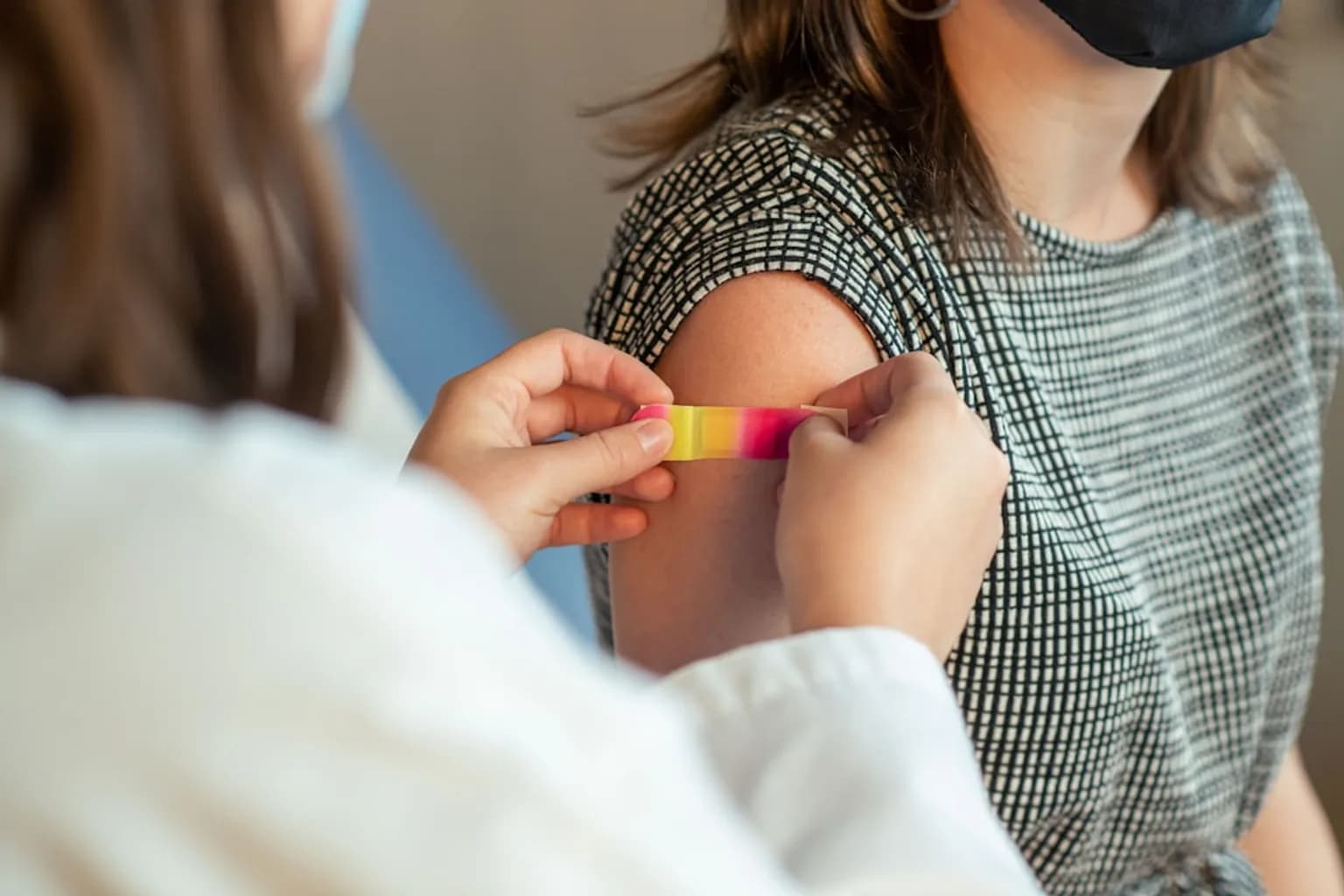
The deaths underline the risk to children who are too young for routine vaccination. US children typically receive their first measles, mumps, and rubella (MMR) vaccine at 12 months of age. A vaccination rate of at least 95% is needed to protect people vulnerable to infection or unable to be vaccinated, including infants under six months.
Other deaths in Pennsylvania are being assessed in connection with measles. Jefferson County coroner Greg Furlong reported the death of an unvaccinated 40-year-old woman that was preliminarily linked to measles. He said respiratory failure due to measles was the cause of death. The woman had chronic obstructive pulmonary disease and required round-the-clock oxygen support. Her death is classified as probably associated with measles because of an epidemiological link to a confirmed case. It is unknown whether a nasal swab ultimately confirmed measles infection.
An 18-year-old in Pennsylvania died from acute encephalomyelitis, a rare and severe neurological complication of measles.
As of Friday, 676 confirmed measles cases had been registered in Pennsylvania. The state has seen over 600 cases this year, primarily in Lancaster County. The brief does not give vaccination rates for Pennsylvania or Lancaster County, and the extent of investigations into the deaths is unknown.
The United States eliminated measles in 2000 with the help of vaccines. It has experienced the highest number of deaths from measles this year since the 1990s. A panel is set to decide in November whether the US will lose its measles-elimination status, which Canada lost last year.
The CDC’s revised system creates a distinction between deaths associated with measles in state investigations and deaths registered federally with measles as the underlying cause. Whether that distinction will affect the eventual national account of the Pennsylvania outbreak remains unknown.





Comments (0)