
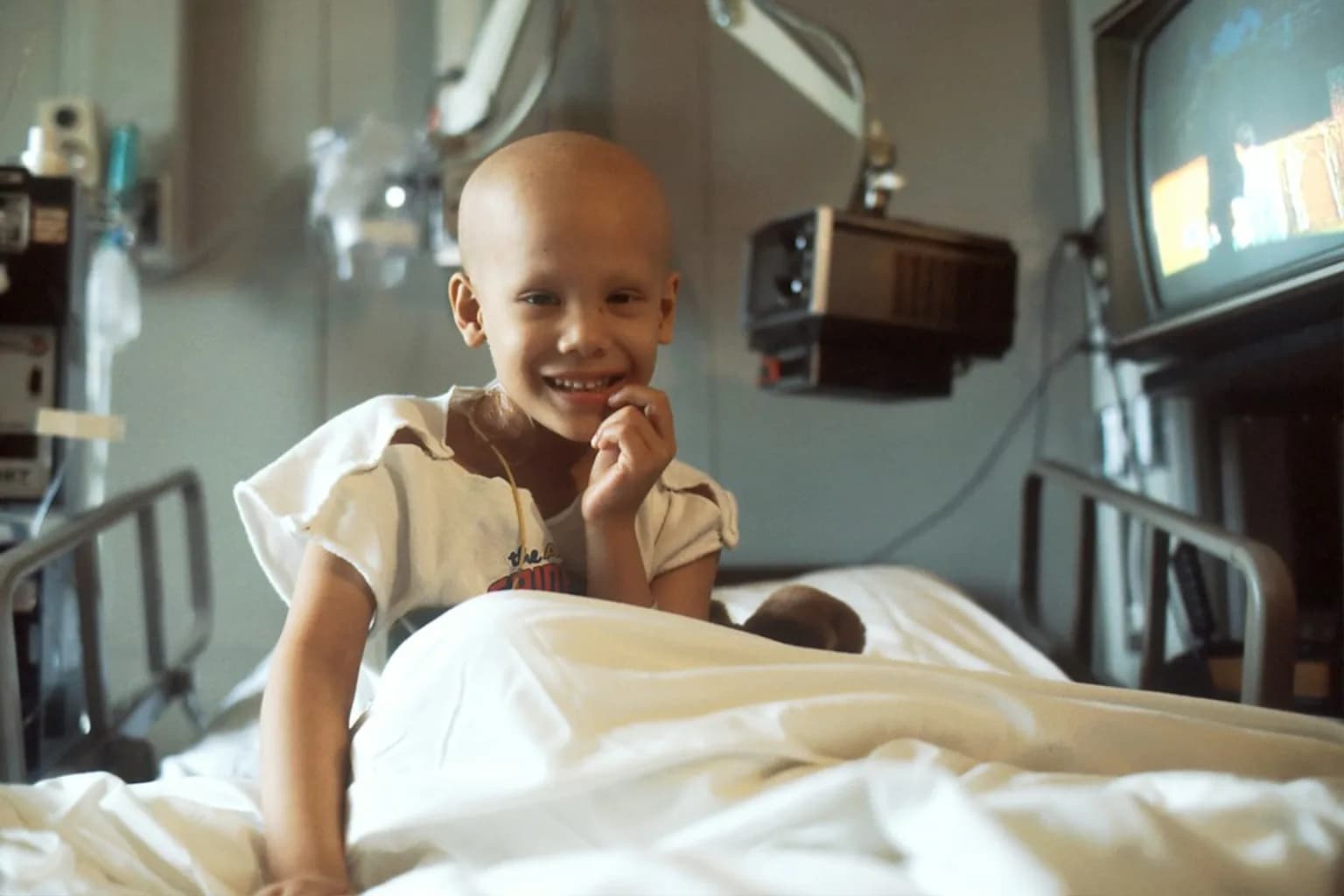
Children in wealthier countries are more than twice as likely to survive cancer as those living in countries with weaker health systems, according to new data from the World Health Organization.
The WHO’s Global Initiative for Childhood Cancer has published the first comparable five-year survival estimates for lymphoid leukaemia among children and adolescents in all 194 WHO Member States. The findings appear in the agency’s May 2026 report, “Measuring survival, driving change: advancing equity through the WHO Global Initiative for Childhood Cancer”.
The report describes the difference in outcomes as 'one of the greatest health inequities of our time.' Survival is estimated at 80% to 90% in high-income countries, compared with about 40% in countries where access to diagnosis, medicines and quality care remains limited.
The estimates cover lymphoid leukaemia. They offer the WHO’s first globally comparable picture of five-year survival for that disease among children and adolescents.
Dr Roberta Ortiz, WHO Childhood Cancer Medical Officer, said: 'Childhood cancer is one of the clearest indicators of health system performance.'
Europe and the Western Pacific had some of the highest estimated survival rates. Africa and parts of the Eastern Mediterranean continued to face substantial obstacles, including delayed diagnosis, shortages of essential medicines and limited access to quality care.
About 400,000 children and young people aged 19 or younger develop cancer every year. The WHO said the survival divide was especially pronounced in low- and middle-income countries.
Adolescents aged 15–19 face a wider survival gap than children aged 0–14, according to the report. The WHO identified delayed diagnosis, gaps between paediatric and adult services, and limited evidence on adolescent cancer care as particular problems for this age group.
The Global Initiative for Childhood Cancer has set a goal of at least 60% childhood cancer survival globally by 2030. The new estimates underline the importance of improving diagnosis, access to medicines and care infrastructure in countries where survival remains far lower.
The report sets out the scale of the disparity across health systems, including the particular difficulties facing adolescents. It does not specify the investment required to meet the 2030 target, country-level plans for narrowing the gap, or a timetable for such measures.
The complete dataset is available through the WHO Global Health Observatory.





Comments (0)