
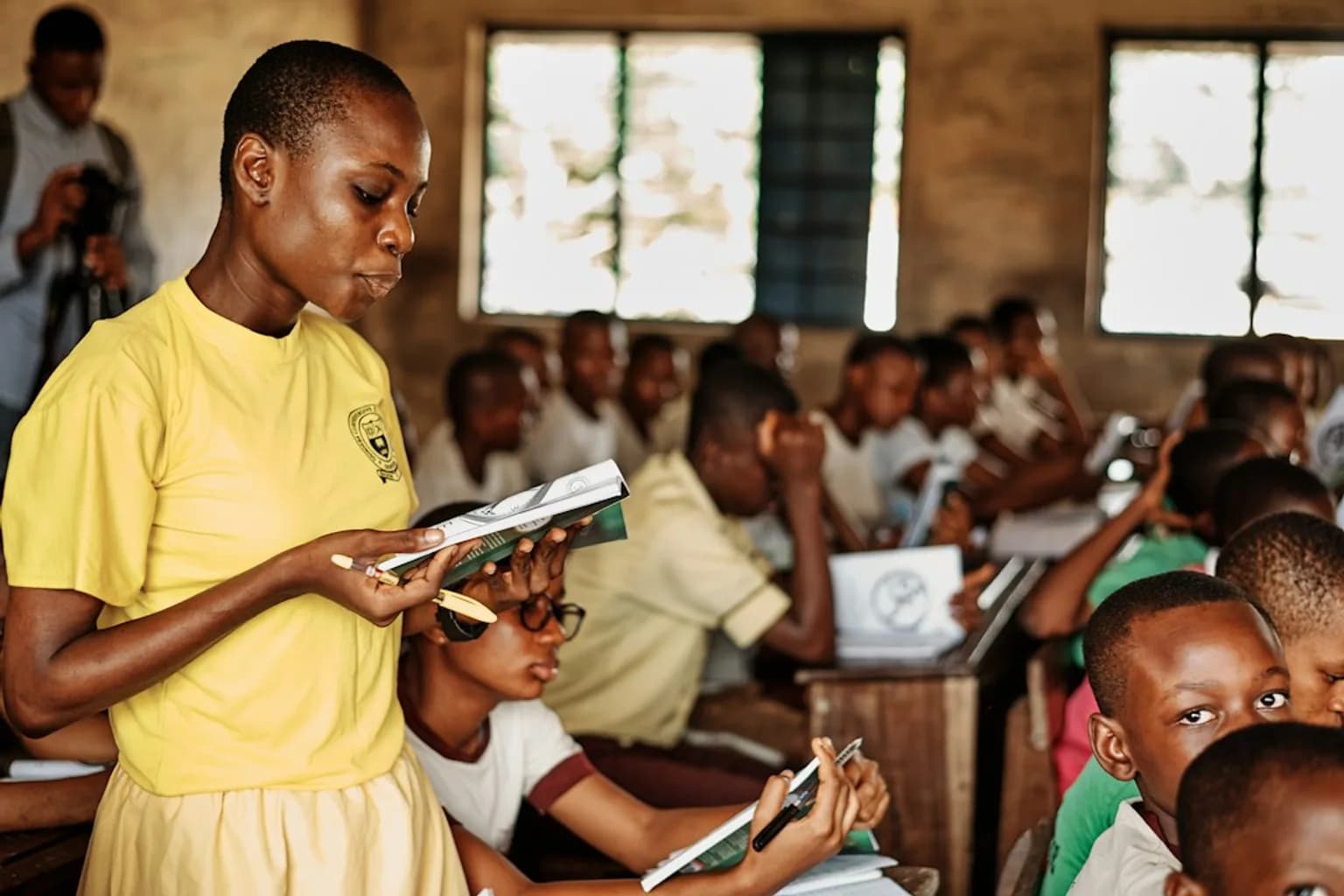
Funding cuts are threatening progress in refugee education at a time when millions of children displaced by war, conflict, violence or persecution remain without schooling. For young people who have crossed borders in search of safety, the risk extends beyond immediate access to classrooms and into their prospects for further study.
An estimated 13.1 million refugee children of school age were living worldwide in 2025. Nearly half, 5.8 million, were out of school. The funding reductions risk undoing years of gains in educating children and adolescents who have been forced from their homes.
Jamila Mostafa, a 19-year-old who fled war-torn Sudan for neighbouring Egypt, is among those whose education has been shaped by displacement. She hopes to pursue a technology degree, although the available information does not specify her current access to higher education or the particular support available to refugee students in Egypt.
“When we left Sudan, I was worried that my education would stop,” Mostafa said. She added: “I have not lost my dreams”.
Her experience reflects the wider pressure on refugee children and young people whose schooling is interrupted by conflict and movement across borders. Egypt is a neighbouring host country for people fleeing Sudan, while many displaced populations seek refuge in low- and middle-income countries.
The World Bank maintains a Refugee Education Financing Dataset covering financing for refugee education in low- and middle-income countries. The dataset was last updated on Feb 27, 2024 and is classified as Public under the World Bank's Access to Information Classification Policy.
The dataset offers a record of financing for an area in which resources can determine whether displaced children enter school, remain enrolled or can continue into later education. It does not, from the available information, identify the size or timing of funding cuts in Egypt, the number of young refugees affected there, or the schools and programmes under pressure.
Those unanswered details matter for students such as Mostafa. Her ambition to obtain a technology degree depends on educational opportunities remaining available after displacement, while the wider figures show that 5.8 million refugee children are already out of school.





Comments (0)