
Two migratory seabirds, a brown skua and a giant petrel, were found infected near Esperance in Western Australia in mid-June, bringing bird flu to a continent long thought to be free of it. Australia’s first confirmed detections were announced in a June 20 federal government media release.
The cases marked the arrival of H5N1, a highly contagious and fatal strain of avian influenza that emerged in Europe in 2020 and has since infected wild birds, poultry, dairy cattle and mammals around the world. Amandine Gamble, an expert on pathogens in endangered seabirds at Cornell University, said the infections meant H5N1 had reached the last continent previously free of the virus and raised serious concerns for vulnerable endemic wildlife in Australia, New Zealand and surrounding islands.
The virus likely reached Australian islands before moving inland with migratory seabirds from the Antarctic. The H5 variant was also detected on Heard Island, a remote Australian territory about 4,000 kilometres south-west of Perth.
Its spread soon extended beyond the first migratory arrivals. On August 1, an Australian silver gull tested positive in Robe, South Australia. It was the first known infection in that species and the first non-migratory bird known to have caught the disease. Silver gulls live around Australian beaches and towns, feeding in rubbish and freshwater areas, which can carry disease into urban and wild settings.
By October 6, Australia had recorded approximately 690 events, a measure that can cover a confirmed infection or death involving one animal or many. The virus has killed thousands of birds since arriving.
The outbreak has also reached mammals. Australia’s first confirmed H5N1 case in a mammal was a long-nosed fur seal found at Beachport in South Australia, which tested positive on August 23. It was the first recorded mammal infection on mainland Australia, and a second long-nosed fur seal was confirmed near Kangaroo Island two days later.
Michelle Wille, an avian influenza researcher affiliated with the University of Melbourne, the WHO Collaborating Centre for Reference and Research on Influenza and the Peter Doherty Institute for Infection and Immunity, said scientists had been watching for such a spillover into Australian marine mammals after outbreaks in seals and sea lions overseas.
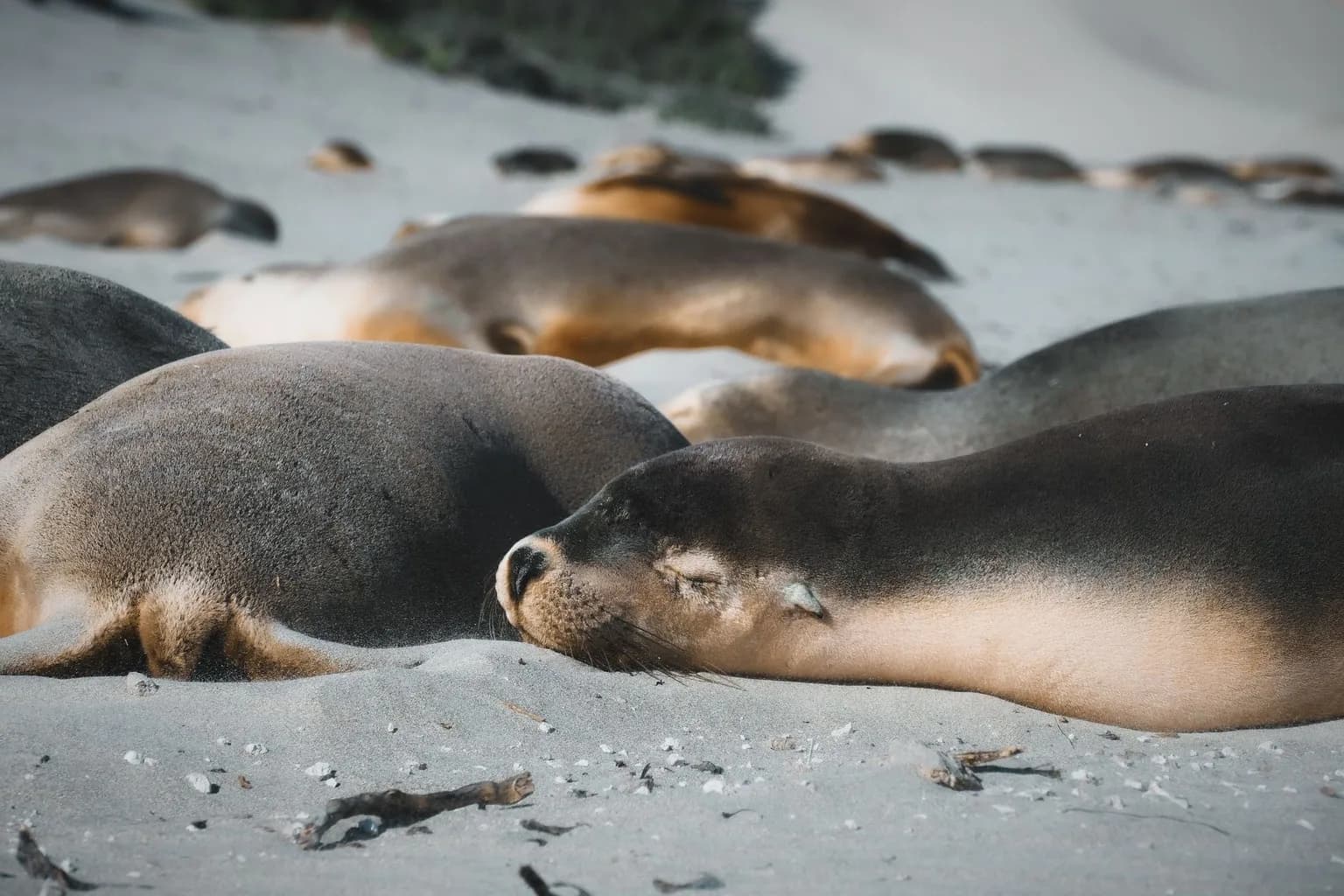
On September 13, authorities confirmed H5N1 in an Australian sea lion at Seal Bay on Kangaroo Island. The species is endangered. Tests then found the virus in three dead adult sea lions and a pup on North Page and South Page islands near South Australia on September 21. Between 10,000 and 12,000 Australian sea lions remain worldwide.
Further mammal detections have included a red fox in metropolitan Adelaide, a common dolphin at Goolwa and a second fox at Normanville. H5N1 had infected approximately 613 types of bird and about 112 mammal species, wild and domestic, as of publication.
Australian authorities have found no infections in poultry or the wider agricultural production system. They also report no evidence so far of mammal-to-mammal transmission in Australia, while the Australian Centre for Disease Control continues to assess the risk to people as low.
New South Wales began vaccinating little penguins in the wild on September 18. The next questions are whether the virus will spread to further mammal species, whether transmission between mammals will emerge, and what the outbreak will mean for endangered marine mammals and agricultural systems.





Comments (0)