
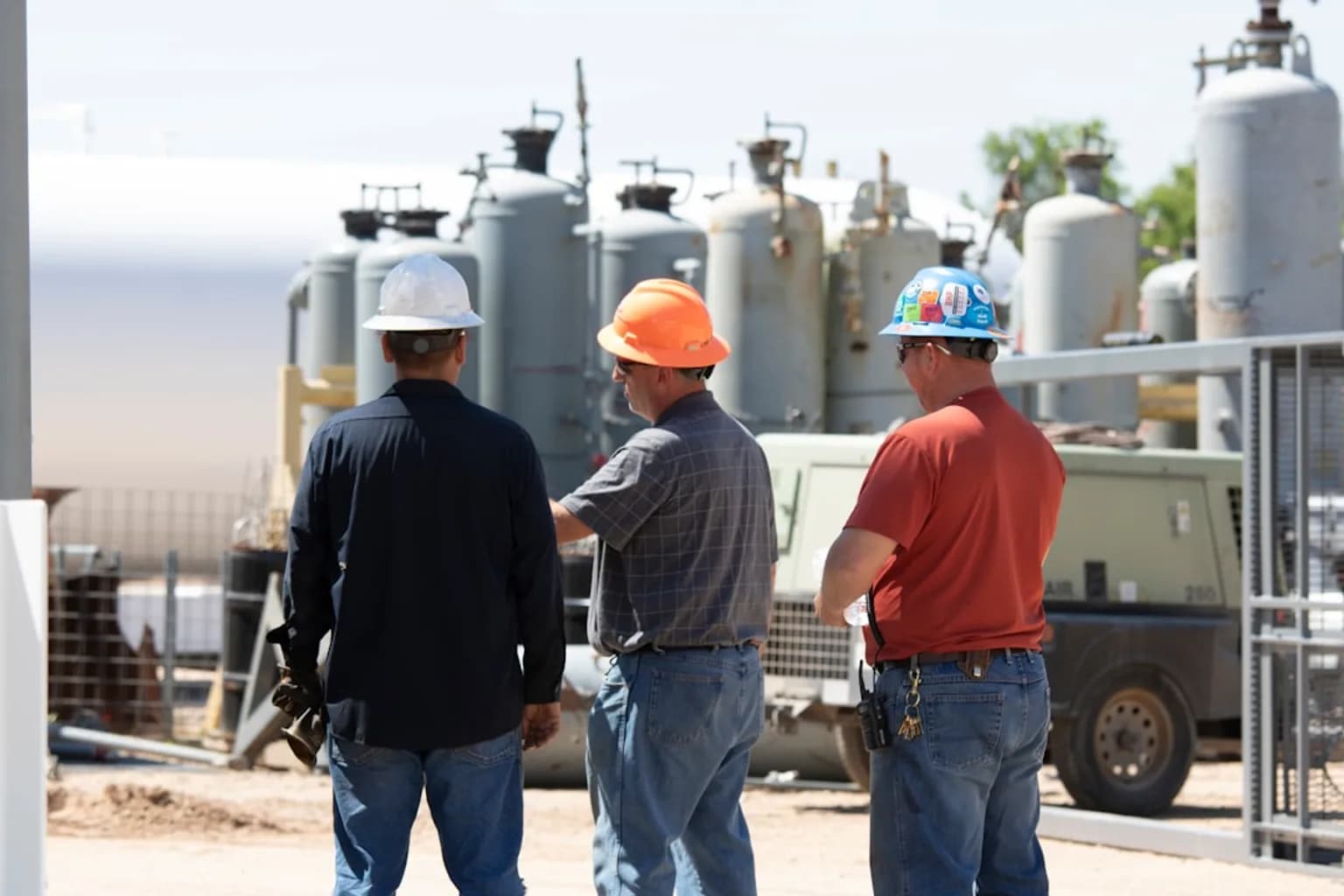
Doctors in Texas are reporting severe kidney failure among young men who lack the usual risk factors for chronic kidney disease, including diabetes, hypertension and glomerulonephritis. Many are undocumented labourers from Mexico and Central America working in construction, roofing and other outdoor trades in extreme heat.
The condition is known as chronic kidney disease of unknown origin, or CKDu, and is also called Mesoamerican nephropathy. It has long been observed in parts of Central America and Sri Lanka, and has also been identified in India and Nepal. It was first described among sugarcane workers in El Salvador and Nicaragua in the late 1990s.
CKDu had never been documented in the United States before. Since a 2018 case involving a 41-year-old truck driver who had immigrated from El Salvador, isolated cases have been reported in California, Texas and Florida. Physicians in Houston have recorded cases almost entirely among otherwise healthy men in their 20s and 30s, and say they had been detecting cases for about a decade before publicly flagging them.
Most people affected are Latino men between the ages of 20 and 60. Their work often involves intense physical strain outdoors, where repeated heat exposure and inadequate hydration are a leading explanation for the illness. A 2024 review in the Journal of Internal Medicine concluded that the evidence for heat stress as the dominant driver of CKDu is 'convincing.'
The exact cause remains unsettled. Researchers have yet to establish the biological process through which heat stress and dehydration may damage the kidneys. The possible contribution of pesticides, heavy metals and other agrochemicals is also unknown, as are the roles of water quality, electrolyte depletion and repeated episodes of acute kidney injury.
The disease can progress without clear symptoms until kidney function is severely reduced. Patients often discover that they are ill only when they require emergency dialysis, a treatment that removes waste and excess fluid from the blood when the kidneys can no longer do so.
There is no test that can confirm CKDu. Doctors must exclude other causes of chronic kidney disease and consider a patient's work and environmental exposures. There is also no treatment designed specifically for CKDu. Care centres on controlling blood pressure, preventing further kidney injury and, in advanced disease, dialysis or kidney transplantation.
For undocumented immigrants, the timing of diagnosis can carry serious consequences. In most US states, they cannot receive routine outpatient dialysis and must depend on emergency dialysis. That can leave patients receiving care only after a crisis, while making sustained management of kidney failure more difficult.
There is little national data to show how many people may be affected. Cases are not reported in the national renal systems database. A CDC-affiliated review said CKDu 'has not been reported in the United States' as a formally classified condition.
A review of Harris County hospital records cited by Texas Monthly found that roughly one in six emergency dialysis cases in uninsured or undocumented patients had no identifiable cause. The finding is consistent with CKDu, though it does not establish a diagnosis in each case.
The lack of systematic reporting means doctors and researchers cannot yet determine the condition's true prevalence in the United States. It is also unclear whether cases are becoming more common or whether clinicians are identifying an illness that had gone unrecognised. Federal researchers have been cautious about confirming CKDu as a distinct US phenomenon, even as evidence of heat-driven kidney injury among American outdoor workers has accumulated.
CKDu drew scientific attention decades ago among agricultural and sugarcane workers in Central America. In El Salvador, hospitalisations for the condition rose by 50% between 2005 and 2012, when kidney diseases became the No. 1 cause of hospitalisation. A 2019 article in The New England Journal of Medicine described CKDu as 'a sentinel disease in the era of climate change.'
Its impact has fallen chiefly on marginalised workers, whose immigration status and limited access to regular care can make study difficult. Rebecca Fischer, an epidemiologist, told Texas Monthly: 'We are quite far, still, from understanding exactly what's going on.'





Comments (0)