
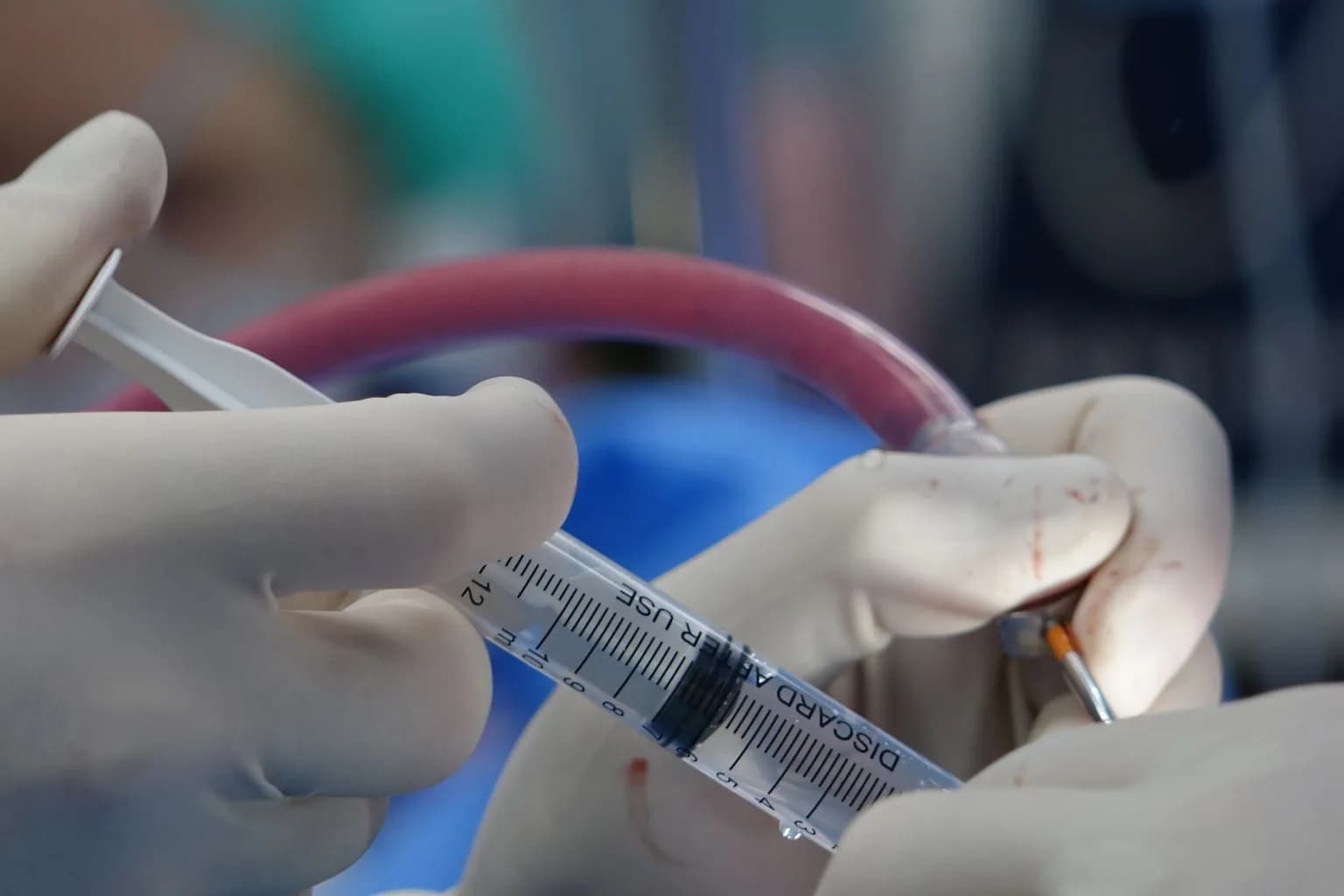
NHS England is to pilot a rapid genomic test for brain tumours that can provide a diagnosis in as little as two hours, potentially while a patient is still in surgery. The health service said the UK will be the first in the world to try the technology, which analyses a tumour’s genetic code and could cut a diagnostic process that can take six to eight weeks.
The pilot will run at five specialist centres in Nottingham, Birmingham, London and Newcastle. They include Nottingham University Hospitals NHS Trust and University Hospitals Birmingham. NHS England has not set out a timetable for any wider rollout beyond those centres.
Doctors use the test to establish which type of tumour a patient has. This matters because there are around 150 different types of brain tumour, ranging from slow-growing tumours to aggressive cancers. More than 12,000 people in the UK receive a diagnosis of a primary brain tumour each year. Brain tumour is the biggest cancer killer of children and adults under 40.
During an operation, clinicians take a small tissue sample from the tumour and send it to a pathology laboratory. Staff load the sample into a shoebox-sized sequencing machine made by Oxford Nanopore. The machine reads genetic material from the sample, while specialist software developed at the University of Nottingham with hospital clinicians classifies the tumour.
The approach is intended to give surgeons information in time to inform decisions during an operation. It could also allow patients to begin treatments including radiotherapy and chemotherapy sooner, rather than waiting weeks for the full results of conventional pathology analysis using microscopy.
The existing process has relied on laboratory examination of tumour tissue under a microscope. The genomic test instead focuses on the genetic features of the sample. This reflects the increasing importance given to genetic markers in the World Health Organization’s 2021 classification of brain tumours, including markers such as IDH mutation status.
The potential for an intraoperative diagnosis was illustrated in the case of Steve Palmer. After the nanopore machine had been running for 20 minutes, the neuropathology team called the operating theatre and said the tumour was likely to be a glioblastoma. Surgeons received the result while they were still removing the tumour.
Palmer said: “Getting that quick diagnosis removed weeks of anxiety”.
Stuart Smith, a consultant neurosurgeon, said the test “seems almost magical”.
Prof Frankie Swords, NHS medical director, said the technology could fundamentally change the diagnosis of brain tumours, allowing results to reach patients within days rather than weeks.
The pilot leaves several questions unanswered. NHS England has not provided diagnostic accuracy, sensitivity or specificity figures for the test, nor has it said whether it can identify every type of brain tumour. The health service has also not given the cost per test, training requirements for staff, or evidence on longer-term outcomes such as survival and treatment response.
It is also unclear whether the technology will eventually be available to all NHS patients with brain tumours. For now, the trial will test whether rapid DNA sequencing and the Nottingham-developed software can deliver clinically useful diagnoses across the five specialist centres.





Comments (0)