
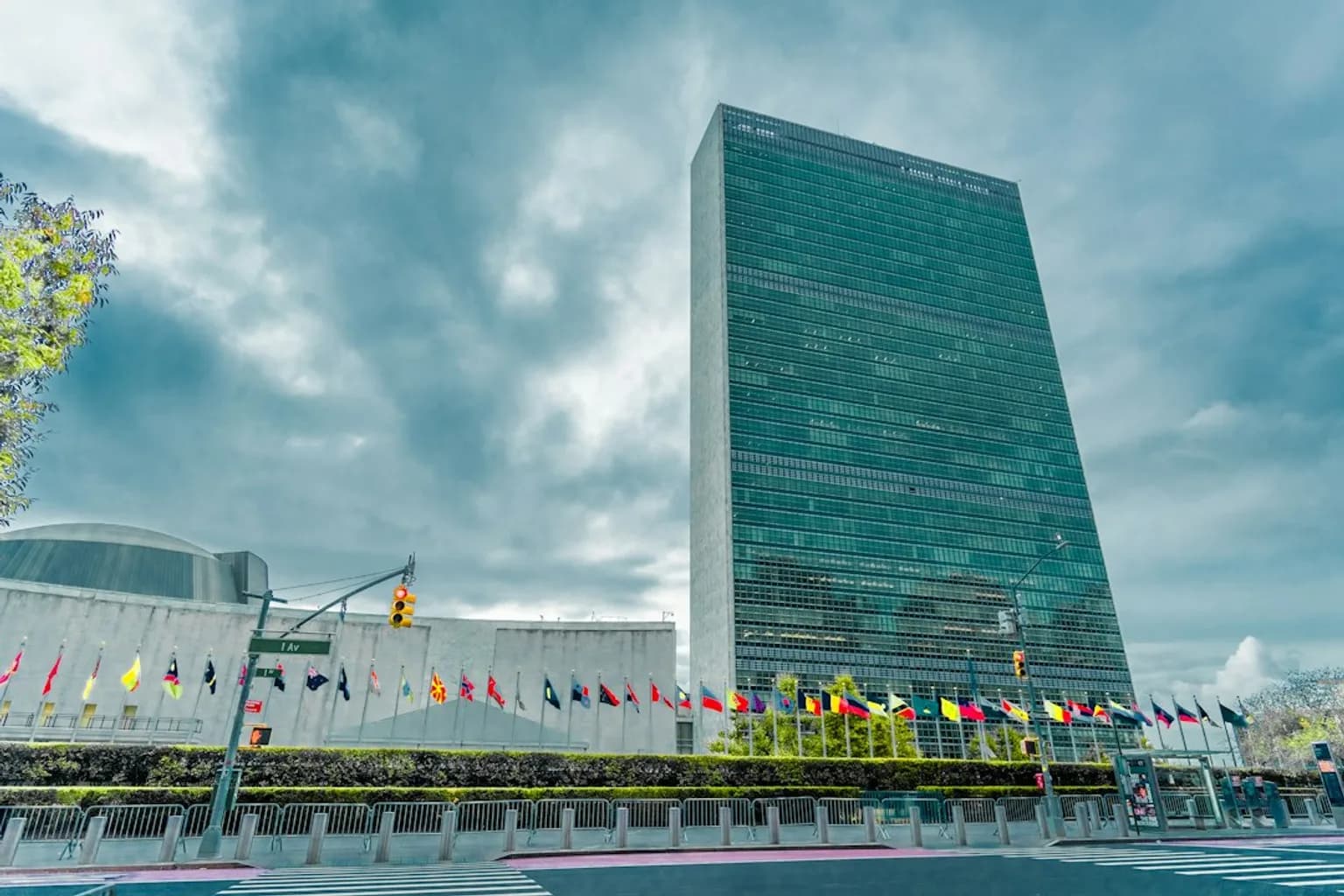
The President of the General Assembly convened the second high-level meeting on pandemic prevention, preparedness and response at United Nations Headquarters in New York on 25 September 2026. The gathering was called under General Assembly resolution 79/333 of 8 September 2025 and was intended to review progress since the adoption of a political declaration on 20 September 2023.
Its theme was: 'Fostering a multilateral and intergenerational approach to prevent, prepare for and respond to pandemics and public health emergencies, through the principles of equity and solidarity'. The meeting comes after the World Health Organization adopted its Pandemic Agreement in May 2025, while important parts of the framework still await completion.
Countries are negotiating the Pathogen Access and Benefit Sharing, or PABS, annex. It is intended to create a system for sharing pathogens with pandemic potential while ensuring fair access to vaccines, therapeutics and diagnostics developed from them. No timetable for completing the annex was set out.
PABS is one of three pillars of the proposed agreement. The others are One Health and Prevention, and Financial Coordination. The agreement was developed by the WHO's 194 member states after negotiations that repeatedly met geopolitical tensions, including wars and the US withdrawal from WHO.
The original push for a treaty followed a call in March 2021 by a group of 24 heads of state and government. The subsequent negotiations have sought to address weaknesses exposed during COVID-19, particularly unequal access to vaccines. WHO data show wealthy nations obtained enough doses to cover their whole populations several times over, while many low-income nations had vaccinated less than 10% of their citizens by the end of 2021.
Anne-Claire Amprou, a former co-chair of the intergovernmental negotiations that produced the WHO Pandemic Agreement, said prolonged talks over the outstanding provisions could damage the process. 'I think it's quite risky to have a too-long negotiation because that means that we will lose diplomats and public health experts who were involved at the very beginning', she said.
The meeting also took place as the WHO faces a budget deficit of nearly $1.9 billion for 2026-2027. President Donald Trump issued an executive order halting all U.S. payments to the WHO. The Biden administration left office without paying $130 million in dues for 2024. The information available for the meeting did not state whether the halt in payments remained in effect.
The organisation has also changed its rules for identifying major health threats. In 2024, it amended the International Health Regulations to add a new global alert category, a 'Pandemic Emergency'. The regulations had contained no definition of 'pandemic' before 2024. The amendments to the International Health Regulations (2005) took effect on 19 September 2025.
Preparedness discussions are taking place alongside a broader shift in global health needs. Chronic, noncommunicable conditions, including cardiovascular disease, cancer, diabetes and respiratory illnesses, are now the leading causes of death and account for about three-quarters of global deaths. These conditions require prevention efforts alongside systems designed for acute public health emergencies.
Joy Phumaphi, co-chair of the Global Preparedness Monitoring Board, said in May that the world remained ill-prepared for another major outbreak. 'We are at a crucial time in the history of pandemic preparedness as a global community … [W]e definitely are not ready for the next pandemic', she said.
The UN meeting reviewed implementation of the 2023 declaration, though the specific content of any declaration being finalised for the 2026 gathering was not set out. Its stated emphasis on equity and solidarity places vaccine access, pathogen sharing and the capacity of multilateral institutions at the centre of the continuing negotiations.





Comments (0)