
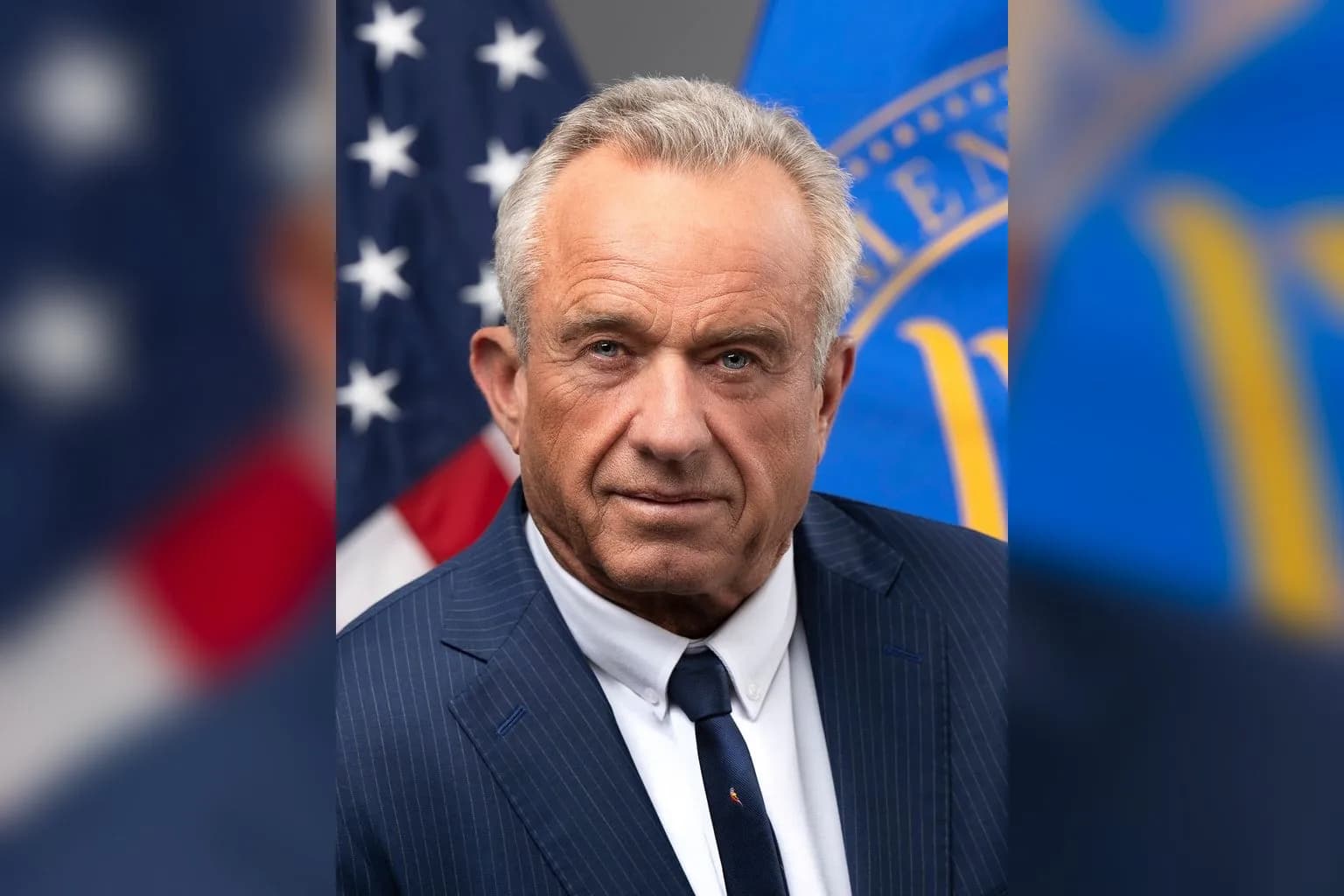
Robert F. Kennedy Jr., the health secretary, said earlier federal transparency requirements had made negotiated health care prices public while leaving patients and employers with files too large and complicated to use. He said even employers, whom he described as the health system’s most sophisticated consumers, struggled with the data.
On Monday, 5 October 2026, the Trump administration finalised new health insurance price transparency rules intended to help patients, employers and researchers compare the cost of care before it is received. The Department of Health and Human Services, Treasury Department and Labor Department announced the finalised Transparency in Coverage rule.
The rule standardises insurer pricing disclosures, removes duplicative material and requires health plans to attest that their published information is accurate and complete.
Officials said the overhaul will remove unnecessary information, including what they called ‘zombie rates’, pricing data for services a provider does not perform. They expect the changes to cut the size of pricing files by an estimated 70%.
Health plans and insurers will have to name a senior official responsible for the accuracy of the data they publish. The rule also requires pricing files to be easier to find online, expands reporting of out-of-network prices and moves insurers from monthly reporting to a quarterly schedule.
The administration is seeking to make existing transparency requirements workable after years in which disclosure rules produced data that patients and employers could struggle to use for cost comparisons. Employers welcomed the changes to insurer price-transparency reporting.
Federal hospital transparency requirements took effect on 1 January 2021. They require hospitals to post prices in two forms: a machine-readable file of standard charges and prices for the 300 most common shoppable services.
Most insurance companies and employer health plans began publicly posting negotiated rates each month in 2022, when the original Transparency in Coverage rules came into force.
A hospital-rule update effective 1 July 2024 allowed facilities to post percentages and algorithms instead of dollar-and-cents prices, adding to the difficulty of using the disclosures. A further update, effective 1 January 2026, strengthened requirements on standardisation, access and attestations.
Compliance has improved, though it remains incomplete. Of 2,000 hospitals reviewed, 988 hospitals, or 49.4%, were fully compliant in August 2026. That was an increase of 28 percentage points from the previous report, which found 21.1% compliance in November 2024.
Kennedy said the administration had already issued warnings or corrective-action requests to more than 500 hospitals that failed to meet federal price-transparency requirements.
Andrew Ferguson, the FTC chairman, sent letters to the nation’s largest for-profit hospital groups, representing more than 1,000 service-provider locations. He warned of their legal duty to provide consumers with truthful, accurate pricing information, and said hospitals that fail to comply could face FTC enforcement action and litigation.





Comments (0)