
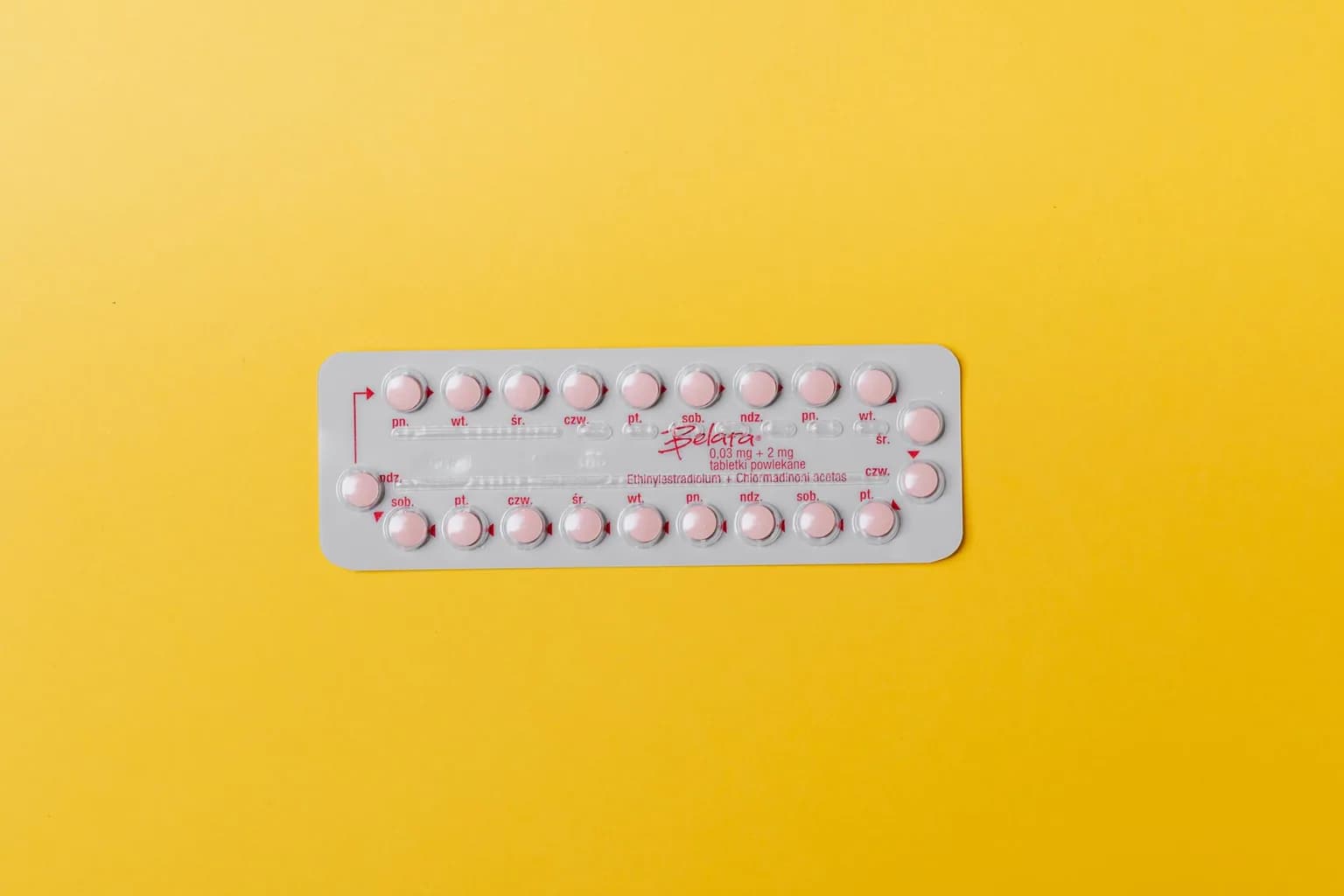
More than 21 million women in the US who need subsidised birth control live in counties with limited access to it, according to a new analysis by the nonprofit groups Power to Decide and the Guttmacher Institute.
The analysis, shared exclusively with NPR, found that 21.4 million women need subsidised birth control and live in counties where access is limited. The organisations produced two interactive, county-level maps showing where women face barriers to affordable contraception.
The maps draw on data from 2020-2023. They are an updated version of an effort that began when Power to Decide published a map of contraception deserts in 2017.
Power to Decide and the Guttmacher Institute are nonprofit and nonpartisan organisations. The analysis does not identify in the available information which counties have the most severe gaps, what causes limited access in particular places, or how the new maps differ substantively from the 2017 version.
The release comes as states consider measures concerning contraceptive access. In the first half of 2026, 29 states introduced 122 bills to protect contraceptive access. Some of those proposals establish a legal right to contraception.
Nine bills to protect contraceptive access have already become law across four states: Georgia, Maryland, South Carolina and Virginia. The available information does not say whether those measures directly address the geographic barriers identified in the county-level analysis.
The maps arrive alongside separate research on the changing geography of reproductive health services. Research published in JAMA Network Open on 28 August 2026 found that 87% of reproductive-aged women lived within 15 miles of a crisis pregnancy center in 2023. The corresponding figure for an abortion facility was 50%.
Crisis pregnancy centers are Christian nonprofit organisations that aim to divert people from having abortions. Since the US Supreme Court's Dobbs v Jackson Women's Health Organization decision, the number of abortion facilities has decreased. Government funding for, and the number of, crisis pregnancy centers has increased over the same period.
The JAMA Network Open research found that the median driving distance to the nearest crisis pregnancy center was considerably less than the distance to an abortion facility for services at either 9 or 19 weeks' gestation. It also found substantial variation by region and state in access to both crisis pregnancy centers and abortion facilities.
Together, the findings describe uneven access to subsidised contraception and other reproductive health services. The county-level maps provide a picture based on 2020-2023 data, while legislative activity in 2026 shows that contraceptive access remains an active issue in state capitals.





Comments (0)