
Anthropic, OpenAI, SpaceXAI and Google have been sued in federal court over allegations that they agreed to slow artificial intelligence development, depriving paying users of promised product improvements.
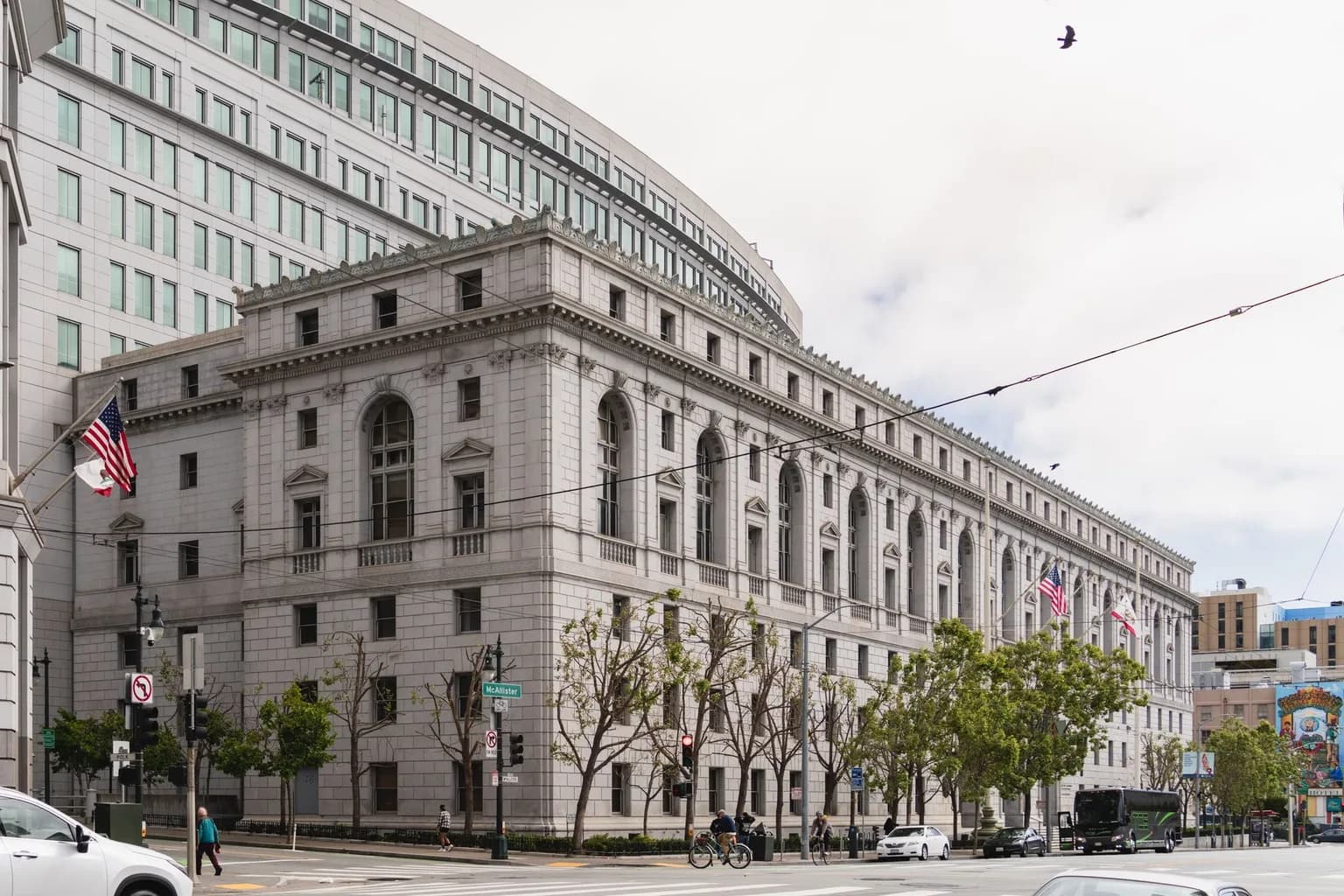
The civil case was filed on Friday in the U.S. District Court for the Northern District of California by four paid subscribers to ChatGPT, Claude, Grok and Gemini. The plaintiffs seek to represent nationwide paid subscribers and are asking for injunctive relief, rather than monetary damages at this stage.
The complaint names Anthropic PBC, OpenAI OPCO LLC, SpaceXAI and Google LLC. It alleges that the companies made an illegal agreement to collectively reduce the pace of AI development, in breach of Section 1 of the Sherman Act, the federal antitrust law that bars certain agreements restraining competition.
At the centre of the case are public statements by senior executives. On September 12, Anthropic chief executive Dario Amodei published an essay urging industry-wide cooperation to decelerate AI progress in favour of safety. According to the lawsuit, OpenAI chief executive Sam Altman, SpaceXAI head Elon Musk and Google DeepMind co-founder Demis Hassabis confirmed their agreement with that call on the same day.
The plaintiffs say those statements amounted to a deal between competitors, rather than separate expressions of support for AI safety. They allege that the four companies collectively account for approximately 80% of paid consumer AI subscriptions, giving the claimed agreement particular importance for customers using their products.
The complaint argues that an arrangement to slow improvements is a restriction of output. It says that 'an agreement among competitors to reduce the quality of their products and the rate at which those products improve is an agreement to restrict output'.
The plaintiffs also contend that the alleged arrangement was 'proposed in public, accepted in public, and confirmed in public'. They allege that private cross-lab working-group meetings took place in July, though the complaint does not specify the content of those meetings.
Nick Rowley, one of the lawyers who filed the case, said the alleged pact would allow 'AI safety and protocol to be controlled by private self-serving agreements between the world's most powerful for profit technology companies'.
The case presents a direct question about the line between safety advocacy and unlawful coordination. The plaintiffs' position is that rival companies cannot decide together to reduce output or delay product improvement, even where they cite safety as the reason. The lawsuit does not establish that such an agreement existed. It sets out allegations that will have to be tested in court.
The complaint advances three approaches under the Sherman Act. It alleges a per se violation, under which certain forms of agreement may be treated as inherently unlawful. It also seeks quick-look analysis, a more limited review used where the alleged effect on competition may be readily apparent, and rule-of-reason analysis, which weighs an agreement's claimed benefits against its competitive effects.
For subscribers, the alleged harm is the loss of product upgrades the companies had promised. The requested injunction would seek to stop the conduct alleged in the complaint. No monetary damages are specified.
The filing leaves several central matters unresolved. The identities of the four individual plaintiffs have not been provided in the brief. It is also unknown whether the companies will seek dismissal, contest the allegations or settle. The brief does not indicate whether any regulator or the US Department of Justice is conducting a separate investigation, or when discovery and court motions might begin.




Comments (0)