
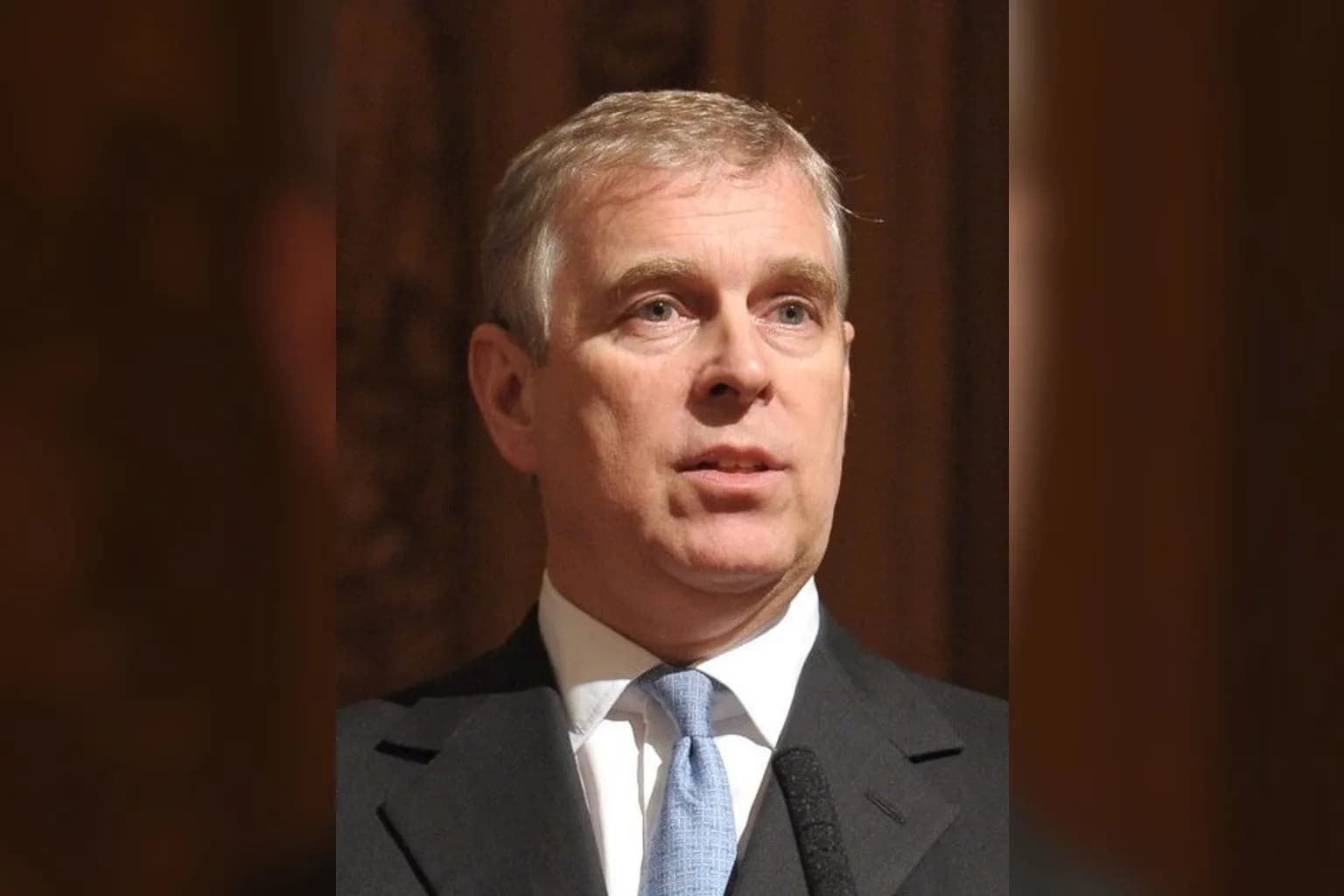
Andrew Mountbatten-Windsor was arrested on his 66th birthday at Marsh Farm in Norfolk, then taken to Aylsham police station for questioning. Police questioned him for 11 hours before releasing him under investigation. He has been neither charged nor exonerated.
He is now challenging the warrants that preceded his arrest. A judicial spokesperson confirmed that Mountbatten-Windsor has filed a claim in the High Court in London over warrants used to search two of his homes in February.
The warrants were issued by a judge at the Central Criminal Court on 18 February, the day before Mountbatten-Windsor was arrested. His lawyers are contesting the lawfulness of warrants used at Sandringham and Royal Lodge in Windsor.
The case stems from allegations that Mountbatten-Windsor shared sensitive information with the late sex offender Jeffrey Epstein while serving as the UK's trade envoy. The allegations emerged when the US Justice Department released millions of pages from its investigation into sex trafficking by Epstein.
Thames Valley Police searched homes near Windsor Castle and on King Charles III's Sandringham estate in February. Officers were seen searching Marsh Farm in Sandringham and Royal Lodge for several days after the arrest.
Mountbatten-Windsor has consistently denied wrongdoing connected to his association with Epstein.
A hearing is scheduled for Thursday afternoon in private, beginning the process of deciding whether the warrants should be quashed. A separate private High Court hearing in the coming days will consider whether certain documents relating to the judicial review should be released.
The legal issue is consequential for any future case. If the court finds for Mountbatten-Windsor, authorities could be barred from relying in a prosecution on evidence found during the searches. Mark Stephens, a lawyer at Howard Kennedy in London, described the hearing as a preliminary skirmish in the wider legal battle.
Thames Valley Police said it was “engaged in legal proceedings in relation to warrants previously obtained from the Central Criminal Court”. The force said its investigation into Mountbatten-Windsor is continuing.
The arrest was the first of a senior British royal in nearly four centuries. Mountbatten-Windsor was forced to give up royal duties in 2019, and King Charles III stripped his younger brother of his princely title.
The King has said he provides Mountbatten-Windsor with a private allowance, though a royal source said the money is not to fund the judicial review. In a statement, Charles said: “Let me state clearly: the law must take its course. As this process continues, it would not be right for me to comment further on this matter.”





Comments (0)