
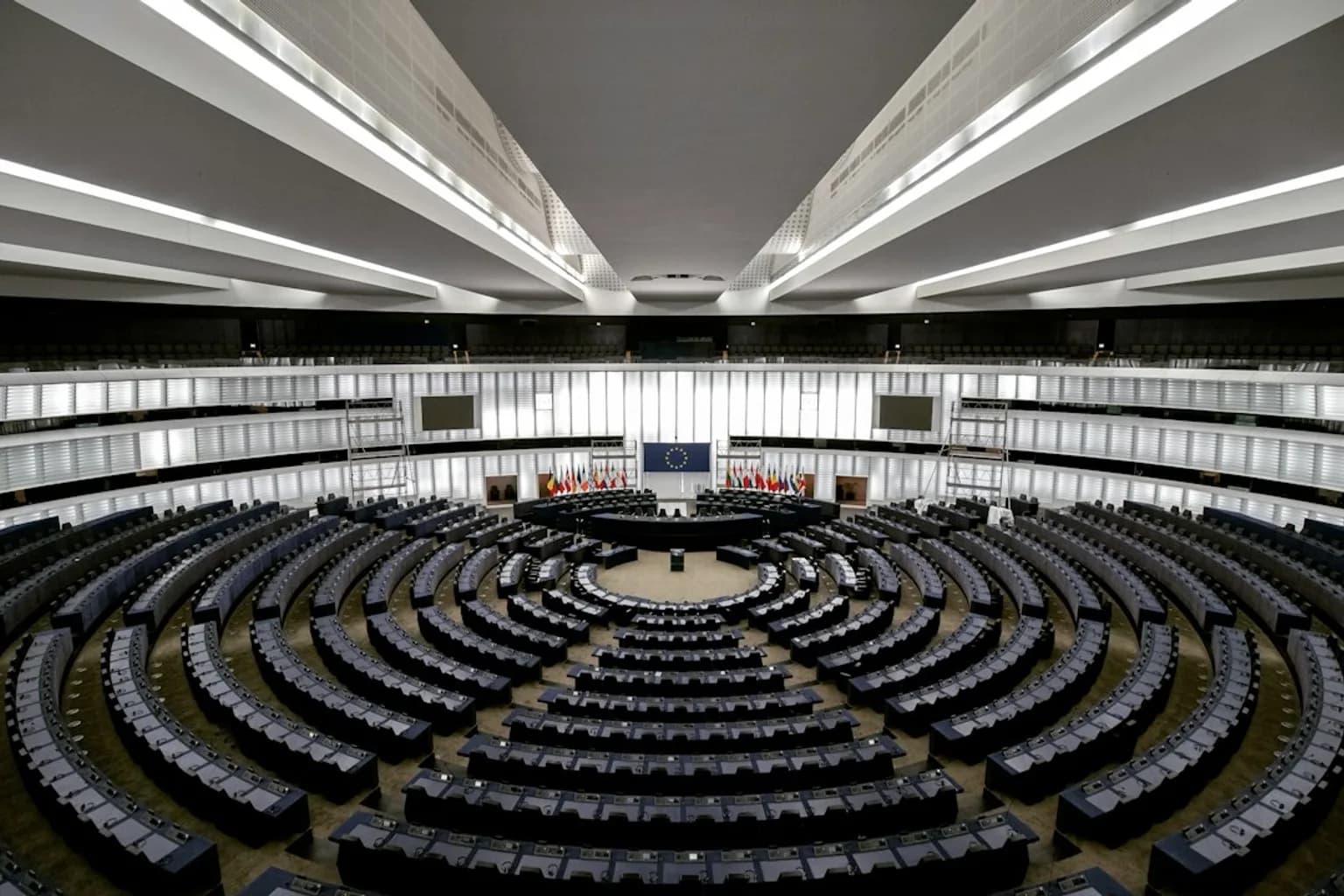
The European Court of Human Rights held a public hearing in Strasbourg on September 22 in a case concerning ten Ukrainian children who were living in state orphanages in Crimea when Russia asserted control over the peninsula in 2014. The Ukrainian Helsinki Human Rights Union brought the case, titled Ukrainian Helsinki Human Rights Union on behalf of ten Ukrainian children vs. Russia, on January 14, 2023.
The children were aged from one to five years old in 2014 and were wards and dependents of Crimean state orphanages in Ukraine. They were granted Russian citizenship after the occupation, their details appeared in Russian adoption databases, and they were transferred into Russian adoption or foster care systems.
Ukrainian authorities asked Russia to return the children. Russia did not do so and began adoption procedures, according to the case. Ukrainian authorities have received no information about the children’s whereabouts since 2014 despite repeated requests. Their identities, present locations and individual circumstances remain unknown.
The Russian side was not represented at the hearing. Judge Lado Chanturia said the court would deliberate on the “admissibility and merits of the case”. He gave no date for a ruling.
The applicants say the children’s automatic change of citizenship interfered with their rights to privacy and family life under the European Convention on Human Rights. They also argue that publishing details about the children on adoption websites violated those rights. The application further alleges a breach of the children’s right to liberty and security under the convention.
The Ukrainian Helsinki Human Rights Union says the circumstances amount in effect to the enforced disappearance of the ten children. Its case places the alleged conduct within a wider pattern following Russia’s establishment of control over Crimea. According to the organisation, more than 4,000 children deprived of parental care were automatically declared Russian citizens after Russia established control over the peninsula.
Moscow created the Train of Hope Crimea adoption programme in 2014. The programme used “video profiles” of children broadcast on Kremlin-run television networks to support adoption or their transfer to Russian orphanages.
Four Ukrainian human rights and journalistic groups have also accused Moscow of violating the international Convention on the Rights of the Child. Their allegations include deporting children, illegal adoption, and changes to children’s identities and nationalities. Ukrainian children are said to have been removed from orphanages and boarding schools, sent to “summer camps” in Crimea for months, and then relocated to orphanages or foster families in Russia.
Kyiv has said the overall number of children and teenagers taken from occupied Ukrainian regions is close to 20,000, with the majority seized after 2022. A UN international commission concluded that Russia’s removal of Ukrainian children from temporarily occupied territories constitutes a crime against humanity.
The Strasbourg case concerns ten children who were infants at the time of the Crimea occupation and are now teenagers. The court must first determine the admissibility and merits of the application. Its eventual decision could address claims concerning the children’s individual convention rights and the allegation that their removal and subsequent placement in Russian systems amounted to enforced disappearance.




Comments (0)