
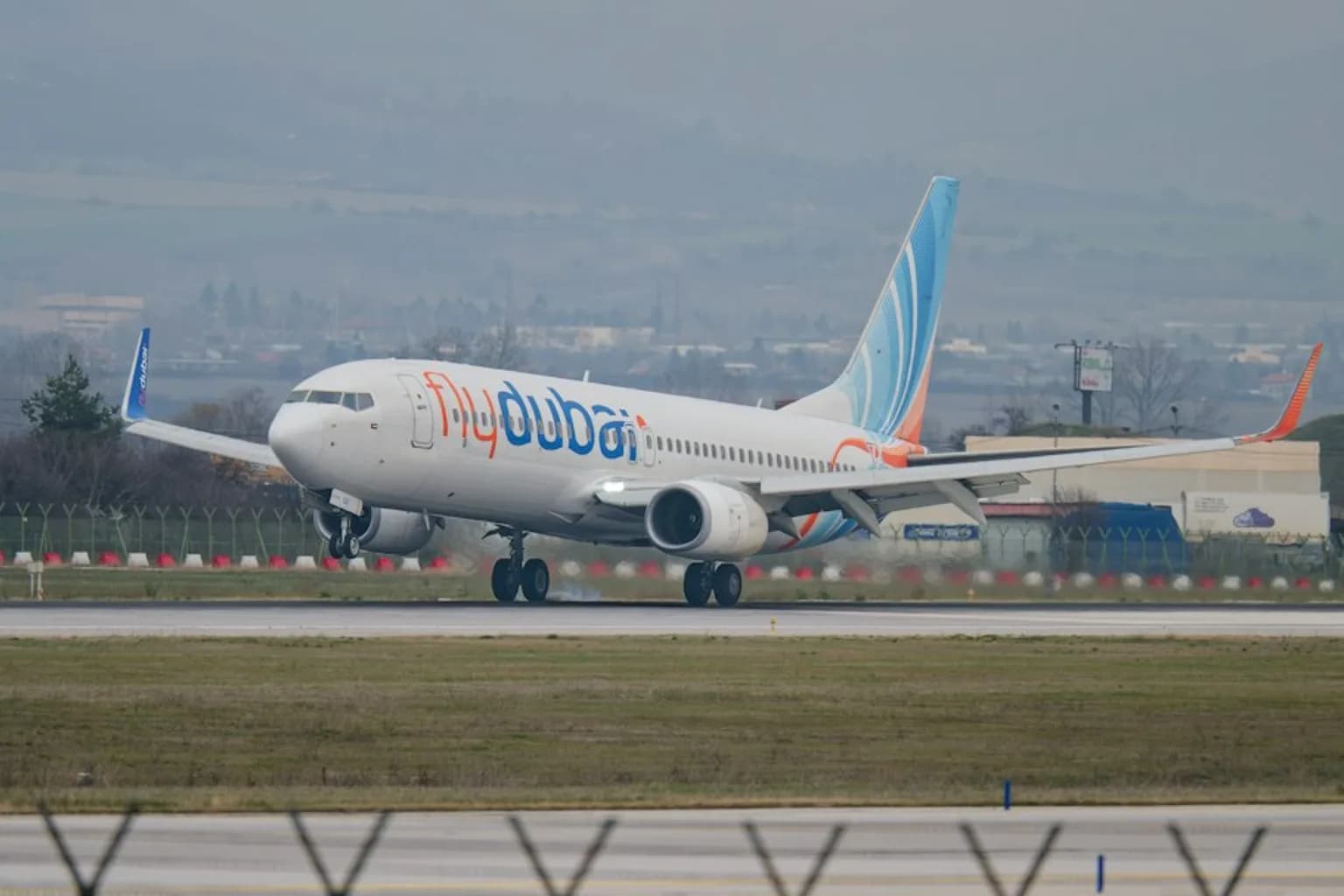
A mid-air attack by a co-pilot on FlyDubai Flight FZ1073 has raised questions over how emergency equipment is secured inside commercial cockpits, after investigators found that the weapon may have been a crash axe kept on the aircraft.
The Boeing 737, registered in the United Arab Emirates, had left Dubai for Tel Aviv, Israel, carrying 174 people, most of them Israelis. About 2½ hours after departure, a distress call came at 8:44 a.m. local time. The pilot called mayday and reported that a hijacking was under way. Passengers could be heard screaming during communications with air traffic control.
Israeli officials identified the co-pilot as an Omani national. He stabbed the pilot, Capt. Smit Machchhar of Mumbai, and tried to crash the aircraft. Machchhar was seriously injured, according to the account of the incident.
The aircraft fell from 33,000 feet to 17,000 feet in about a minute. Most of the rudder was ripped from the aircraft's tail during the assault and descent. The flight later circled near the Jordanian border before making an emergency landing at Tabuk's Prince Sultan bin Abdulaziz International Airport in Saudi Arabia, about an hour after the distress call.
Initial reports said the co-pilot had used a knife, possibly taken from aircraft cutlery. The investigation has since indicated that he may instead have used a crash axe stored in the cockpit. The precise weapon used has yet to be established.
A crash axe is compulsory equipment in every commercial airliner under international aviation regulations and is fitted at the factory. Its purpose is as an emergency safety tool. The case has put attention on the risk posed by equipment that is kept within a secured flight deck when the person mounting an attack already has authorised access.
According to Israeli Prime Minister Benjamin Netanyahu, Machchhar opened the cockpit door during the attack. That allowed passengers and crew to overpower the co-pilot and prevented what Netanyahu described as a catastrophic mid-air disaster. The identities of those involved in restraining the attacker have not been given.
The episode presents a different challenge from unauthorised attempts to enter a cockpit. Security protocols are intended to keep unauthorised people out of the flight deck. In this case, the alleged attacker was a member of the crew with legitimate access to it.
Pilots must pass through airport metal detectors. Airlines also examine pilots' criminal and employment records, their physical and mental health, and intelligence and security screening. It remains unclear how the co-pilot passed those checks, and the investigation has not set out any specific failure in the screening process.
Netanyahu said in an interview with Fox News that the attacker had undergone 'Islamist radical indoctrination'. The brief account of the investigation does not establish the co-pilot's motive or why this particular flight was targeted. It is also unknown whether authorities in Oman have carried out their own inquiry or made a public statement.
FlyDubai is a low-cost airline based in the United Arab Emirates. The attack took place on a regularly scheduled international service. For investigators, the immediate questions include the weapon used, the role of cockpit equipment in the assault and whether existing crew vetting and cockpit-security procedures require changes after an attack carried out from inside the flight deck.




Comments (0)