
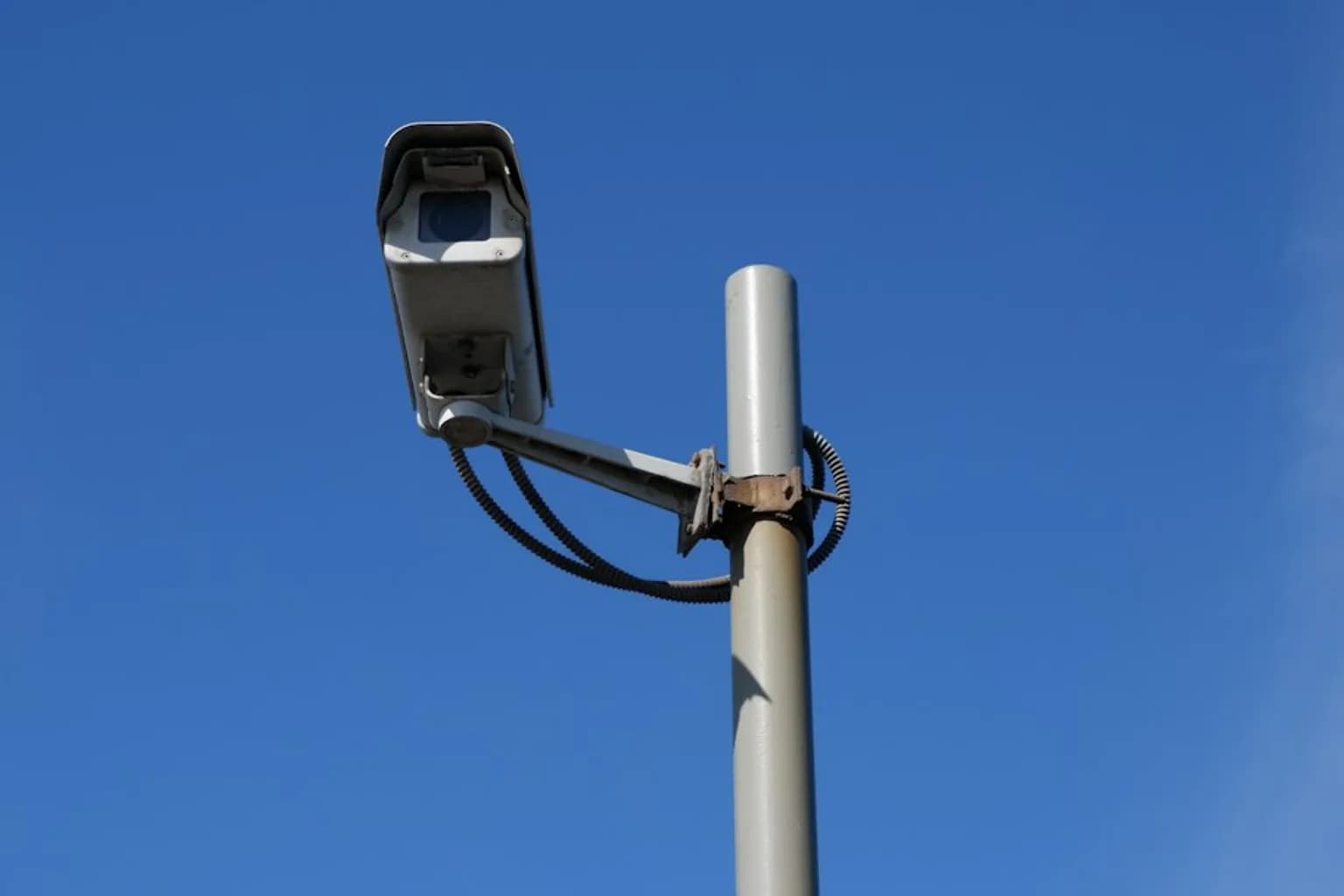
Deputy Freddie Alaniz, who also served as a Drug Enforcement Administration task force officer, was parked along Interstate 44 in May when he noticed Melisa Kyle’s Mazda SUV carrying a California licence plate. He followed the vehicle, with no apparent basis given beyond its out-of-state registration.
Alaniz searched for information about Kyle through Flock and other automated licence plate reader systems. The query produced more than 50 detections of her vehicle from roughly a month of travel across several states.
He later stopped the SUV after observing alleged traffic violations, including a lane change without signalling. Kyle declined his request to search the vehicle. A narcotics dog later alerted to the SUV, after which officers searched it.
US District Judge Sara E. Hill ruled on 1 October 2026 that Alaniz’s warrantless query was unconstitutional. The case, United States v. Kyle, was heard in the Northern District of Oklahoma.
Hill excluded the Flock records and the evidence obtained in the subsequent search of the SUV. Authorities found approximately 91 pounds of methamphetamine, marijuana and about $7,000 in cash. Kyle, 46, of Crane, Missouri, is charged with possessing methamphetamine with intent to distribute.
The legal issue was the breadth of the record the camera network could provide. Hill described the technology as “indiscriminate mass surveillance” and wrote that the search “intruded on her reasonable expectation of privacy in the whole of her physical movements”.
“The Fourth Amendment requires courts to draw a line when the cost is too great,” Hill wrote. She said Alaniz “should have obtained a warrant before searching for the vehicle in Flock’s system”.
Hill contrasted Flock’s system with Carpenter v. United States. Flock, she wrote, “is not targeted on a single individual” and “collects information about all vehicles that pass by any network-connected camera at all times”.
The judge wrote that Flock’s nationwide network was rapidly “approaching dragnet-type law enforcement practice”. Audit logs viewed by 404 Media showed more than 100,000 warrantless searches of the Flock system every month. Most automated licence plate reader searches lack independent oversight from a judge, including a warrant requirement.
Flock disputed the decision. A company spokesperson said it conflicts with what Flock called the “overwhelming weight of authority” in other courts, including previous Oklahoma rulings.
The US Court of Appeals for the Fifth Circuit reached a different result in United States v. Porter on 17 March 2026, holding that police use of licence plate reader data did not constitute a Fourth Amendment search.




Comments (0)