
Stephen, a Kenyan Air Force veteran in his early thirties, had left the service in the early 2020s after a decade there. His business premises were later looted during unrest following Kenya’s 2024 Gen-Z protests. He became one of the Kenyan recruits sent into Russia’s war in Ukraine.
An online advert in June offered security guard work in Russia, with a signing bonus and pay worth around £3,000 a month. It was one of the channels through which Kenyans were recruited with promises of civilian work in security, construction or vocational training.
Stephen was sent to Vovchansk, a mostly destroyed town in north-east Ukraine. There, he triggered a landmine that tore through the right side of his body, leaving deep shrapnel wounds and internal bleeding between his chest wall and lungs.
At the start of this year, Stephen was on medical leave in St Petersburg. A friendly contact at the Kenyan embassy arranged a flight home, paid for from Stephen’s wages.
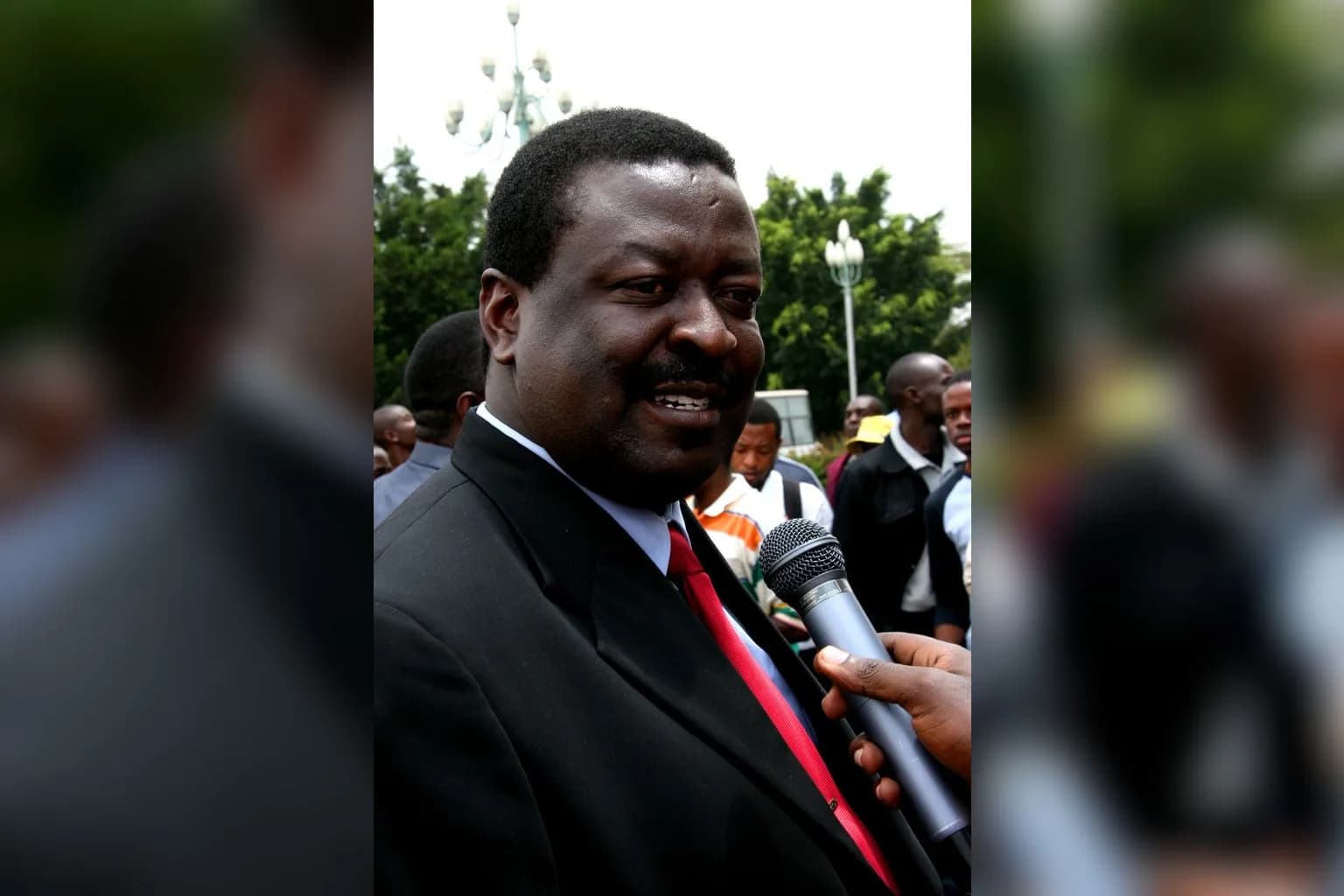
His case sits within a far larger account of recruitment that Kenyan and US authorities are now examining. Foreign Affairs Cabinet Secretary Musalia Mudavadi told a Senate committee investigating the recruitment that 84 Kenyans involved in the Russia-Ukraine war were dead or missing.
The 2026 Trafficking in Persons Report by the U.S. Department of State raised concerns about alleged collusion between Kenyan officials, recruitment agencies and Russian government officers. It said more than 1,000 Kenyan men had been fraudulently recruited for the Russian military.
The report stated: “Officials reported that some Kenyan officials colluded with recruitment agencies and government officials from Russia to facilitate the fraudulent recruitment of more than 1,000 Kenyan men to fight for the Russian military”.
Some recruits were led to believe they had secured civilian employment, then forced into Russian military service and pressured to sign contracts with Russia’s Defence Ministry.
Kenyan ministry records list 77 Kenyans on the front lines, 38 in camps and 52 under unknown location or unclassified. They also list 34 hospitalised, 62 repatriated, five prisoners of war, one in detention and one who has completed their contract. Mudavadi said about 354 Kenyans had been directly involved in the conflict.
Ukraine estimates that at least 1,700 African nationals have fought for Russia. Some people captured by Kyiv have previously told Kyiv Post that they were sent to the front under false pretenses.
One of them, Evans Kibet, is a Kenyan national captured while fighting with Russian forces on the Ukrainian front. He was interviewed at a detention centre for Russian prisoners of war in western Ukraine on 26 November 2025.
The recruitment described in the US report also extended beyond combat roles. Women aged between 18 and 22 from Africa, including Kenya, were reportedly recruited on the promise of vocational training and then placed in Russian military drone production facilities.
Workers at those facilities were reportedly subjected to hazardous conditions and surveillance. The report also cited breaches involving hours and wages, changes to employment contracts and recruitment fees charged to workers.
Kenyan media, the report said, had found that more than 10 per cent of Kenyan government officials held ownership interests in private employment agencies. The government had investigated three Ministry of Labour officials over alleged bribes connected to human trafficking.
Kenya and Botswana are seeking the return of their citizens held in Ukraine.





Comments (0)