
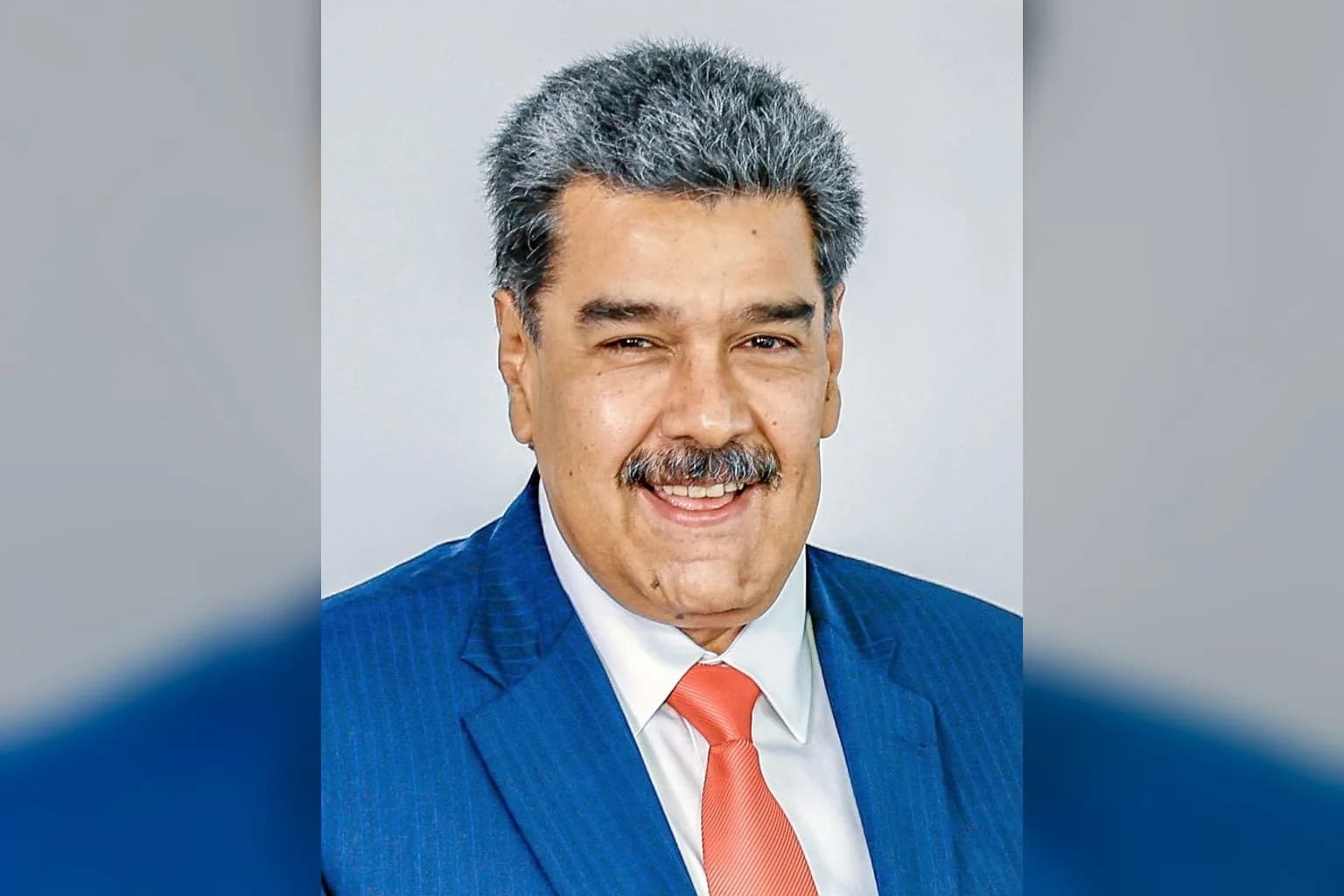
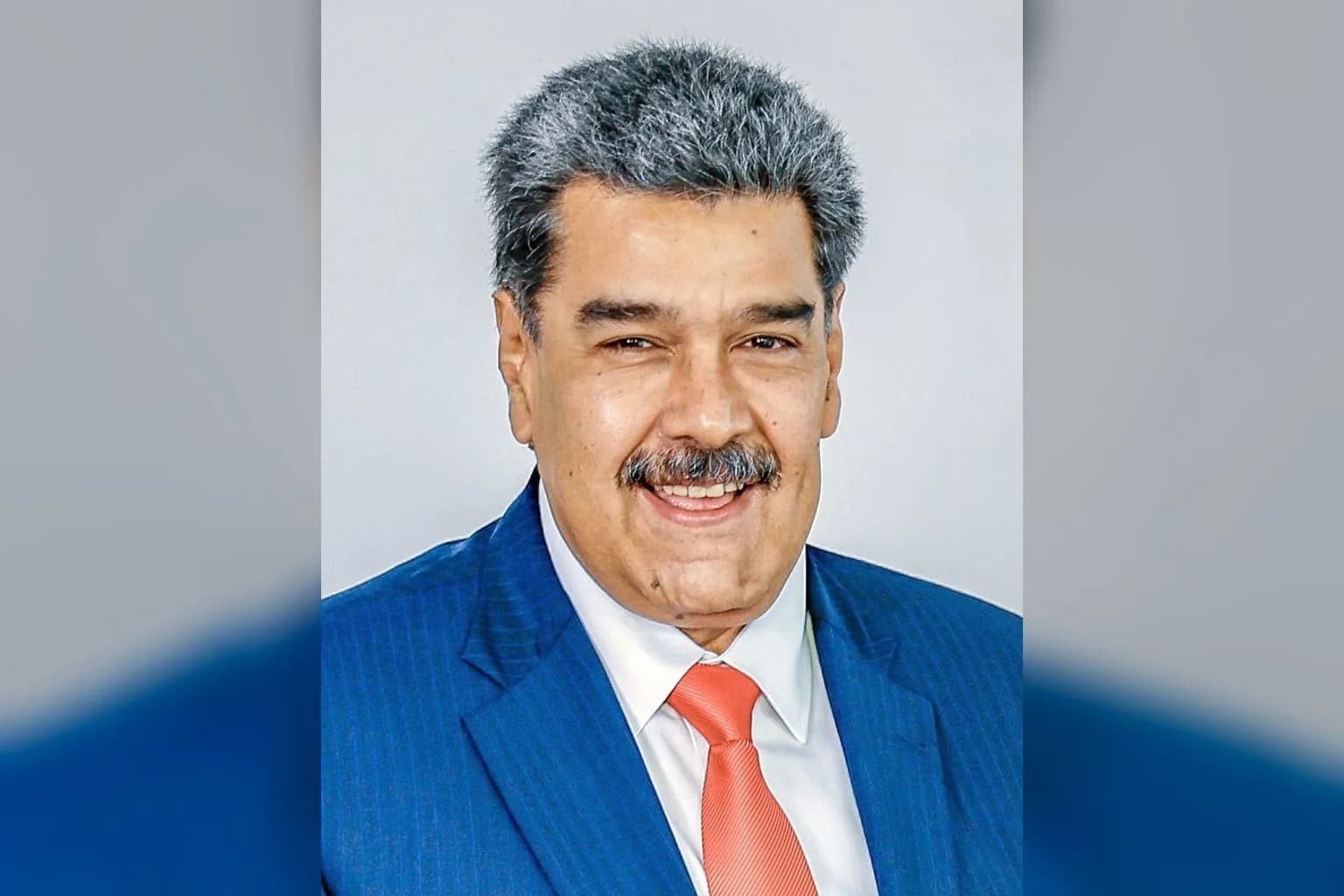
Nicolás Maduro, 63, was seized by US armed forces at his residence in Caracas on 3 January 2026 and flown to New York with his wife, Cilia Flores. Maduro later told the court that he regarded himself as a prisoner of war who had been kidnapped.
The former Venezuelan leader and Flores, 69, were arraigned two days later before Senior US District Judge Alvin K. Hellerstein in the US District Court for the Southern District of New York. Both pleaded not guilty to a superseding indictment.
They remain held at the Metropolitan Detention Center in Brooklyn pending trial. Flores has sought release to home confinement, citing a worsening heart condition.
The case now turns in part on Maduro’s claim that his former office protects him from prosecution in the US. Federal prosecutors say the court should reject that argument because neither Washington nor the Venezuelan administration it recognises regards him as Venezuela’s president.
Maduro was first indicted in March 2020 on narco-terrorism, cocaine importation and related weapons charges. He and Flores now face charges including cocaine importation conspiracy, narco-terrorism conspiracy, and possession of machine guns and destructive devices.
The charges allege that Maduro worked with groups designated as foreign terrorist organisations and gave drug traffickers diplomatic passports, private planes operating under diplomatic cover, and armed military escorts. Prosecutors also allege that he sought to enrich himself during more than a quarter of a century in Venezuelan government posts.
In September 2026, Maduro asked the court to dismiss the entire indictment on head-of-state and conduct-based sovereign-immunity grounds. He also challenged the narco-terrorism count for lack of statutory jurisdiction.
His lawyer, Barry Pollack of Harris St. Laurent & Wechsler, says Maduro was the head of a sovereign state and should therefore be shielded from criminal prosecution abroad. Mark Donnelly of Parker Sánchez & Donnelly represents Flores.
On 2 October 2026, prosecutors filed their opposition to Maduro’s and Flores’s dismissal motions in Manhattan federal court. They called the pair 'former rogue officials of a formerly rogue state with no entitlement to immunity.'
The US ceased recognising Maduro as president in 2019 and now officially recognises Delcy Rodríguez as Venezuela’s president. Rodríguez’s administration has requested immunity for her, while making no such request for Maduro.
Venezuela has also confirmed that it did not seek Maduro’s release or immunity to stop a US trial.
Defence replies are due on 16 October 2026. Judge Hellerstein is scheduled to hear argument on 17 November 2026, and the trial is currently set for 1 June 2027.
On 25 April 2026, the US Treasury Department modified sanctions licences to allow the Venezuelan government to pay both defendants’ legal fees, subject to conditions on where the money came from.



Comments (0)