
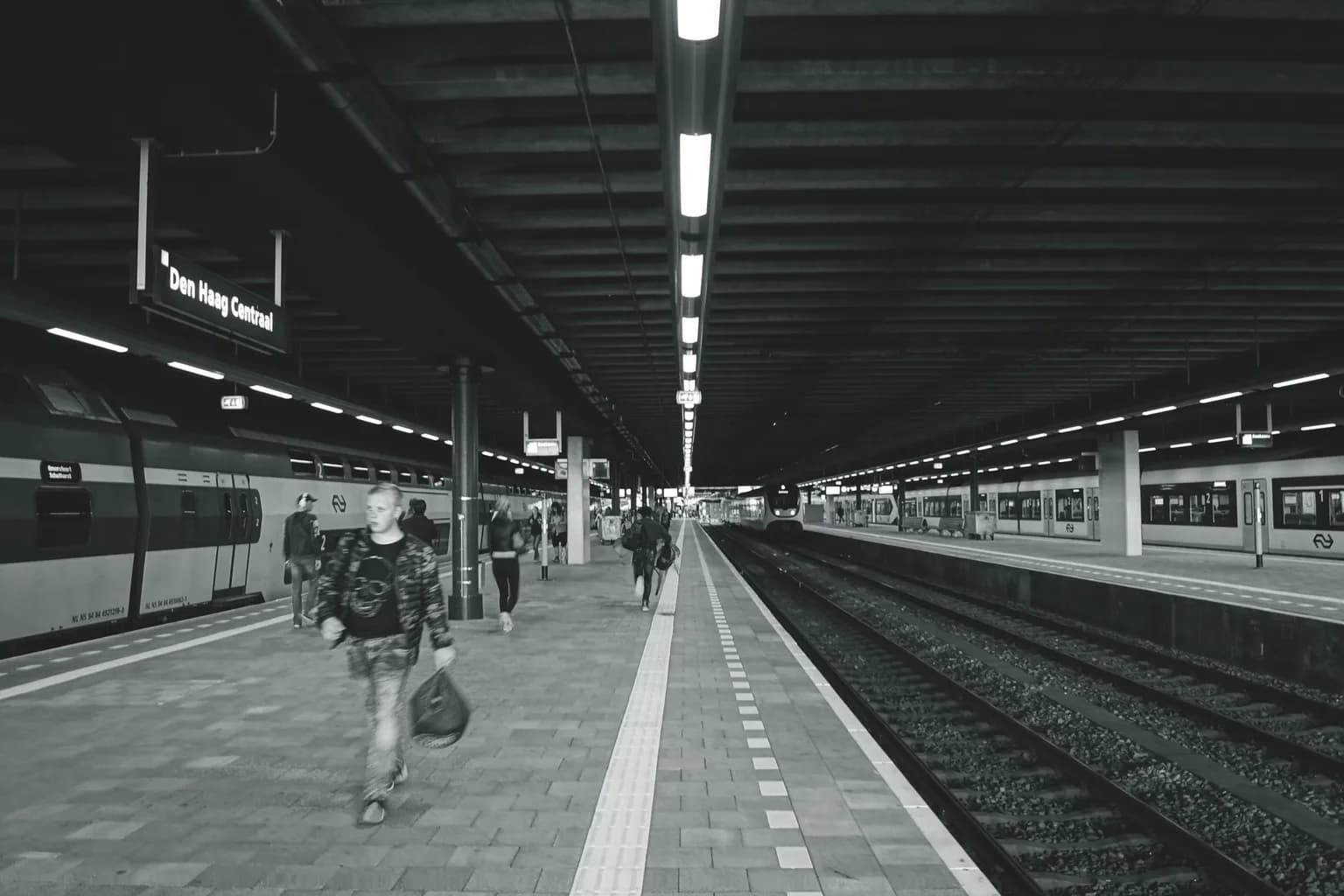
The Dutch rail network faced an unusually broad disruption on Tuesday, as pipes and cables placed on tracks in more than 35 incidents caused signalling failures across the centre and north of the country. The incidents came during the morning rush hour on Prinsjesdag, the day the Dutch government presents its budget.
ProRail, the rail operator, said the materials had been laid at multiple track locations. They caused its computer systems to register trains on the railway, preventing traffic control from clearing lines for services. Authorities are treating the incidents as suspected sabotage.
Parts of the Netherlands, including Amsterdam, experienced major disruption. Routes to Schiphol, Eindhoven and Utrecht were affected, along with services around central cities including Zwolle, Deventer and Amersfoort. The failures also affected several level crossings, disrupting road traffic as well as rail travel.
Dutch Prime Minister Rob Jetten described the incidents as “disruptive and life-threatening”. Infrastructure Minister Annet Bertram called the suspected sabotage “extremely concerning”.
Police said they had opened a criminal investigation. The national public prosecutor’s office and the Netherlands’ intelligence agency, the AIVD, are investigating alongside police. No suspects have been identified and authorities have yet to establish a motive.
One incident had occurred early on Monday, when a train struck metal on the track near Steenwijk in the country’s east. The train was not travelling at full speed and no injuries resulted.
ProRail found pipes near Veenedaal measuring between 1.5 and two meters in length. The precise composition and specifications of all the objects placed on the tracks have not been established.
By about 17:00 CEST (16:00 GMT), no new blockages had been reported since 13:00 and the existing blockages had been resolved. Train operator Nederlandse Spoorwegen, known as NS, continued to show disruption on two lines on Tuesday evening. NS said the scale of the disruption meant it was “not possible” to provide a replacement bus service.
The Farmers Defence Force, or FDF, said it was not responsible for the railway sabotage. The group said it could not rule out involvement by individual farmers. Authorities have not established a link between farmer protests and the rail disruption.
Dutch authorities had highlighted the possibility of sabotage to the railway system in a report last year. That report concluded that the authorities were not adequately prepared for such incidents. Tuesday’s events have placed that warning in immediate focus, while investigators seek to determine who placed the materials and whether the incidents formed a single operation or separate acts.





Comments (0)