
US and Japanese government and company officials met on September 10 to discuss bottlenecks in obtaining Chinese yttrium, two weeks before President Donald Trump’s planned summit with Chinese President Xi Jinping.
The Trump administration convened the meeting, which was hosted by the US Department of Energy and involved Japan’s Ministry of Economy, Trade and Industry. Participants considered areas for US-Japan cooperation to make permanent magnet and yttrium supply chains more resilient. The brief did not say whether the meeting produced any policy proposals or commitments.
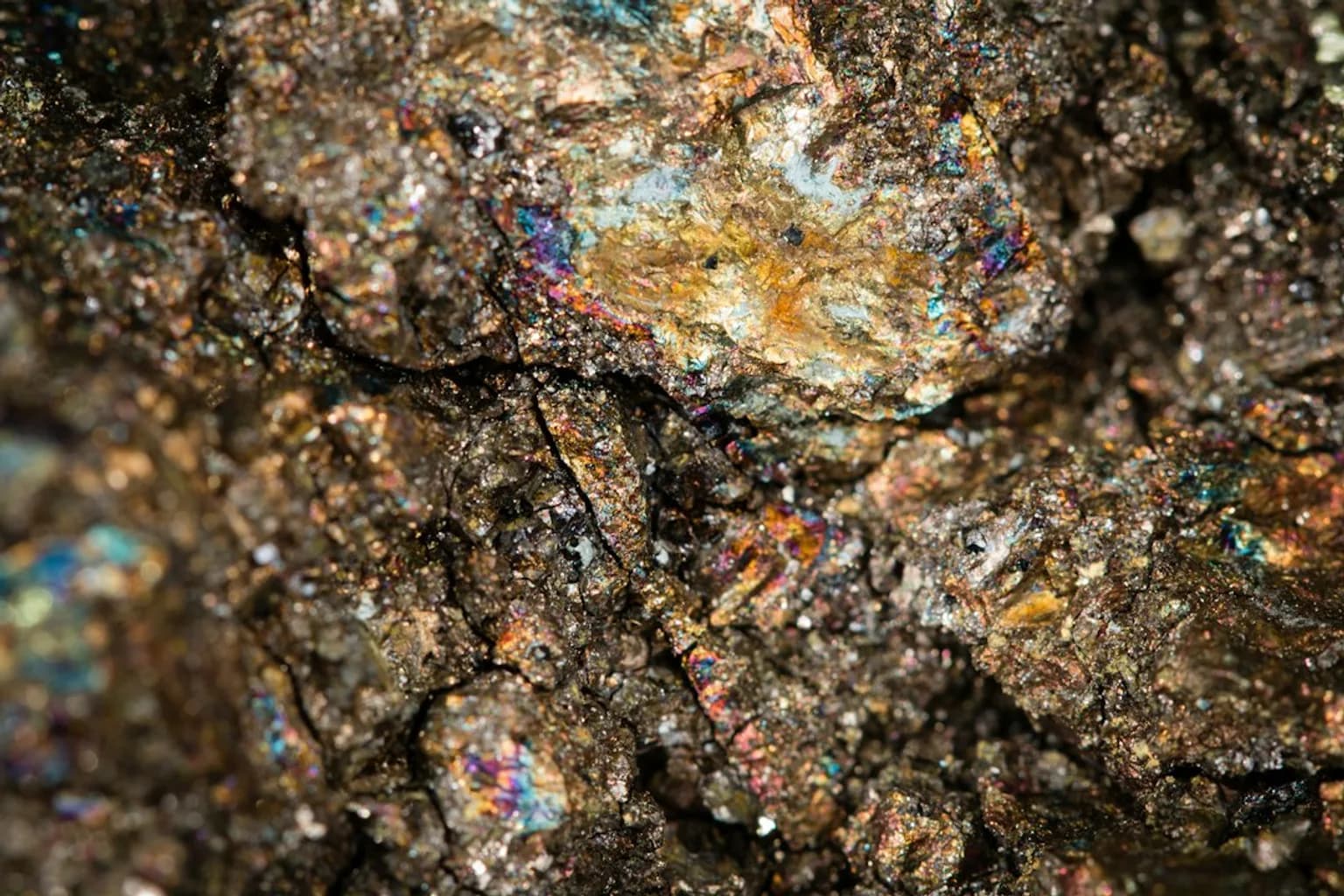
Yttrium is a silvery rare earth metal used in heat-resistant coatings for jet engine turbine blades, power plant components and semiconductor manufacturing tools. The metal has no easy substitute. Its availability has become a point of contention in trade relations between the US and China because the controls have affected aerospace, energy and defence supply chains.
China introduced a new licensing system for yttrium and other critical minerals in retaliation for Trump’s April 2025 tariffs. Exporters must show that yttrium will be used solely for civilian purposes. Chinese rare earth suppliers have also declined some US-bound orders because they fear punishment from Beijing.
At a summit in Busan, South Korea, in October 2025, Xi said China would allow yttrium and related elements to flow in return for Trump withdrawing some tariffs and export controls. US officials have since repeatedly pressed China to meet commitments reached in Busan and Beijing over the past year on the continued issue of rare earth export licences.
Trade data indicate that supplies have remained constrained. China’s General Administration of Customs recorded zero US-bound yttrium shipments in January, May or June of this year. US-bound exports have risen this year, yet remain at roughly half their 2024 level.
The interruption has also been acute for Japan. Gallium shipments to Japan fell 65%, while yttrium exports dropped 98%. Japan has received hardly any yttrium since November, when Prime Minister Sanae Takaichi made comments about defending Taiwan.
The strain has reached companies’ operations. Yttrium shipment disruptions have led to work stoppages across key industries. In May, Reuters reported that the White House intervened with Beijing to obtain approvals for a large US firm with defence and civilian units. The company was losing hundreds of millions in revenue a month because it could not obtain an export licence.
Corporate disclosures point to broader concern. In May and June, more than two-thirds of nearly 200 filings mentioning rare earths said export controls were hurting their business or could do so in future. Prices for yttrium, indium phosphide and tungsten are near record highs.
The meeting came as the dispute has extended beyond mineral licences. China imposed sanctions against the Responsible Business Alliance and other US auditing firms in retaliation for US Federal Communications Commission, or FCC, measures introduced since December.
Neither the agenda for Trump’s planned meeting with Xi nor the details of any US-Japan approach on yttrium were provided. It is also unclear whether China will change its licensing practices ahead of the summit or whether the two governments are pursuing specific alternative sources of supply.


Comments (0)