
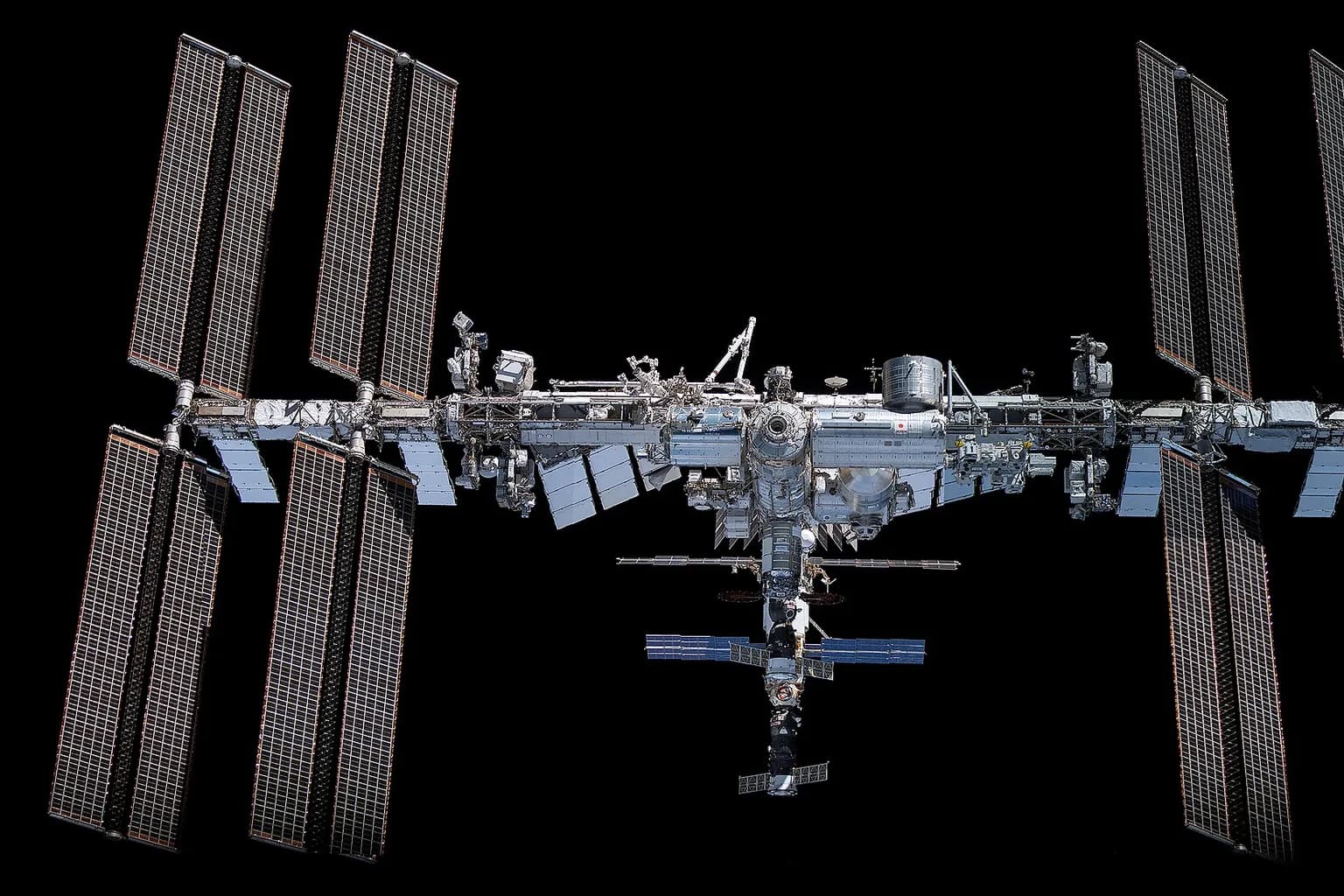
In March, NASA proposed building a government core module for the station that would follow the International Space Station. The agency dropped that idea in June after industry pushed back, then issued a draft solicitation for commercial stations in July. Its commercial replacement plan has changed three times this year.
On Friday, NASA released its final 360-page request for proposals, inviting the US commercial space industry to develop private space stations that could succeed the ISS as early as 2030.
The agency plans to choose two or more contractors at this stage of the competition. Companies must return their responses by December 8, and NASA intends to make its final decision in April.
Jared Isaacman, NASA’s administrator, said the agency would maintain an American presence in low Earth orbit. ‘We've made it clear that NASA will never give up its presence in low Earth orbit.’
Isaacman said NASA still needed a place ‘to conduct research, develop technologies, train crews, and prepare for missions to the Moon and Mars.’
He said commercial stations could meet those needs while opening opportunities for American industry and allowing NASA to direct more resources towards missions he described as near-impossible. ‘Commercial space stations may provide that capability while creating new opportunities for American industry and allowing NASA to concentrate more of our resources on the near-impossible missions ahead.’
NASA says its aim is to keep people in low Earth orbit to carry out science and exploration.
The ISS has been continuously occupied since November 2000. It is roughly the size of a football field.
NASA plans to bring the station down at the end of 2030 with a SpaceX deorbit vehicle that it will own. The vehicle carries a $843 million contract, while NASA has put the overall cost, including launch, at around $1.5 billion.
Russia agreed in July to remain aboard the ISS until 2030, extending its previous commitment by two years and signing on to the retirement schedule.
The Government Accountability Office has identified 2027 as the practical decision point. NASA will then have to choose between launching the deorbit vehicle in 2029 and keeping the station flying.





Comments (0)