
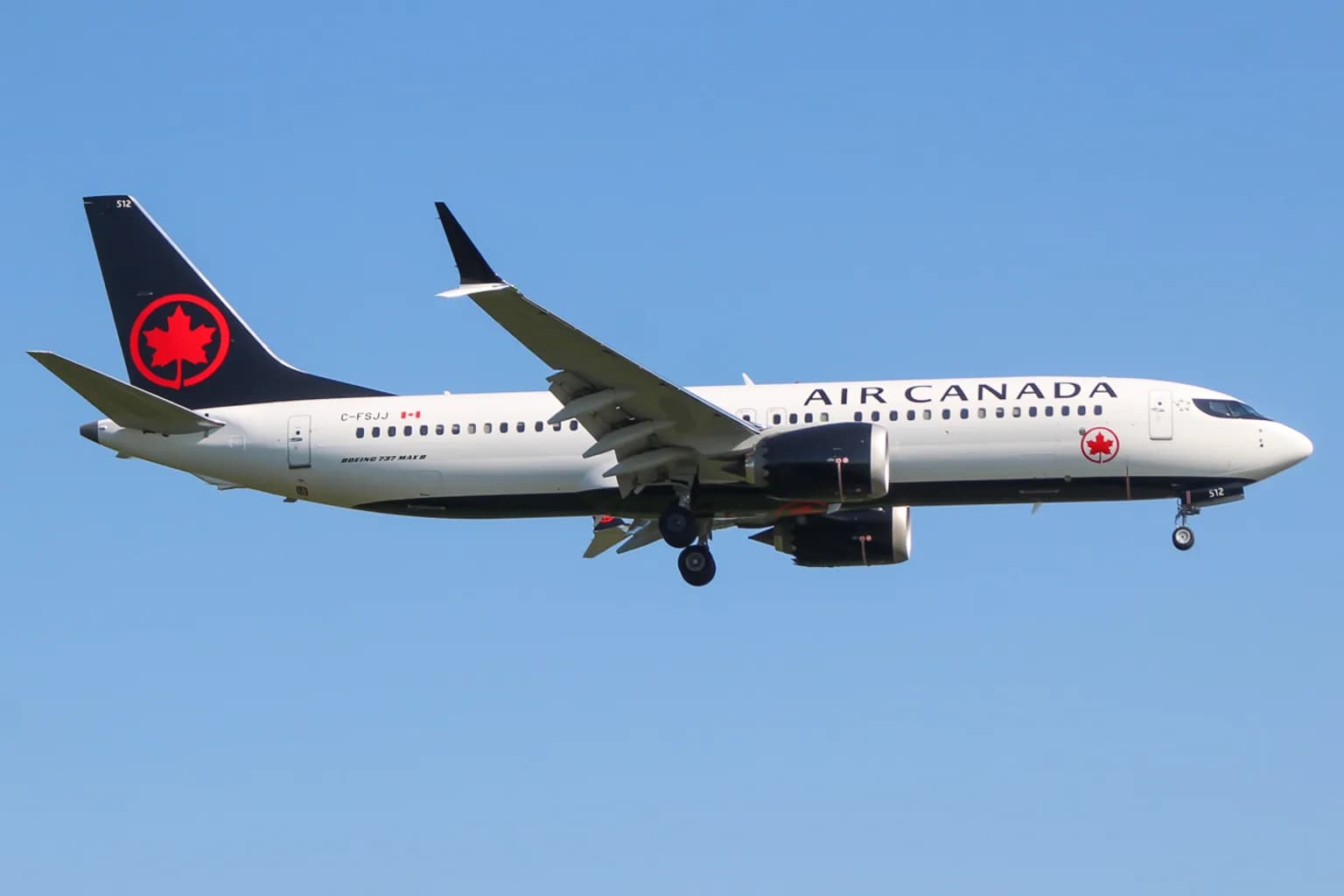
Boeing has identified a previously undisclosed software glitch in the 737 MAX that could cause an automated navigation feature to fail during landing. The problem can arise when flight crews change their planned flight path after a missed approach, leaving pilots without access to automated flight guidance in that specific scenario.
The issue emerged from a cockpit software update. Boeing told all 737 operators about it last month, and its engineers are working on a software update intended to fix the problem permanently.
Southwest Airlines and United Airlines have asked Boeing not to deliver new 737 MAX aircraft fitted with the affected software. Both carriers instead requested an earlier software version for incoming aircraft, a sign that the update has become a delivery issue as well as a technical one.
The Federal Aviation Administration said it was aware of a potential problem in a software update for the flight computers on certain Boeing 737 MAX airplanes. The regulator said it was working closely with Boeing and the airlines. It will convene a Corrective Action Review Board and said it would act immediately if it identifies a safety concern.
The available information does not state how many aircraft in service have the affected software. It also does not set out how long Boeing’s permanent fix will take to develop, submit for Federal Aviation Administration review and deploy. There is no information on whether the fault has caused a safety incident or a near-miss, or on which missed-approach situations are most likely to trigger it.
The discovery adds a further software concern for an aircraft type whose recent history has been defined by failures in design, oversight and communication. Two Boeing 737 MAX aircraft crashed less than five months apart in 2018 and 2019, killing all 346 people aboard. The crashes led to a worldwide grounding of the aircraft.
At the centre of those disasters was the Maneuvering Characteristics Augmentation System, known as MCAS. The flight-control system was introduced to address a tendency for the aircraft’s nose to rise in high angle-of-attack conditions. Investigations exposed a chain of issues involving aircraft design, assumptions about pilot response times, Boeing’s effort to retain commonality with older 737 models, weaknesses in regulatory oversight and information that did not reach pilots.
The current fault involves landing navigation and automated flight guidance rather than the flight-control system identified in the earlier crashes. The technical relationship, if any, between this issue and the MCAS failures remains unknown.
The 737 MAX has returned to service, though scrutiny of Boeing has continued. A mid-air cabin panel blowout on a nearly new Alaska Airlines MAX 9 brought further attention to the manufacturer’s production and safety systems. As recently as July 2026, the Federal Aviation Administration was describing enhanced inspections and oversight while cautiously restoring some certification authority Boeing had lost after the MAX crisis.
Boeing’s latest task is therefore narrow in its immediate form: correct a landing-software failure that can appear after a changed flight path. Yet the request by two major customers for an older software version shows how little room the company has for uncertainty on the 737 MAX, particularly where cockpit automation is concerned.





Comments (0)