
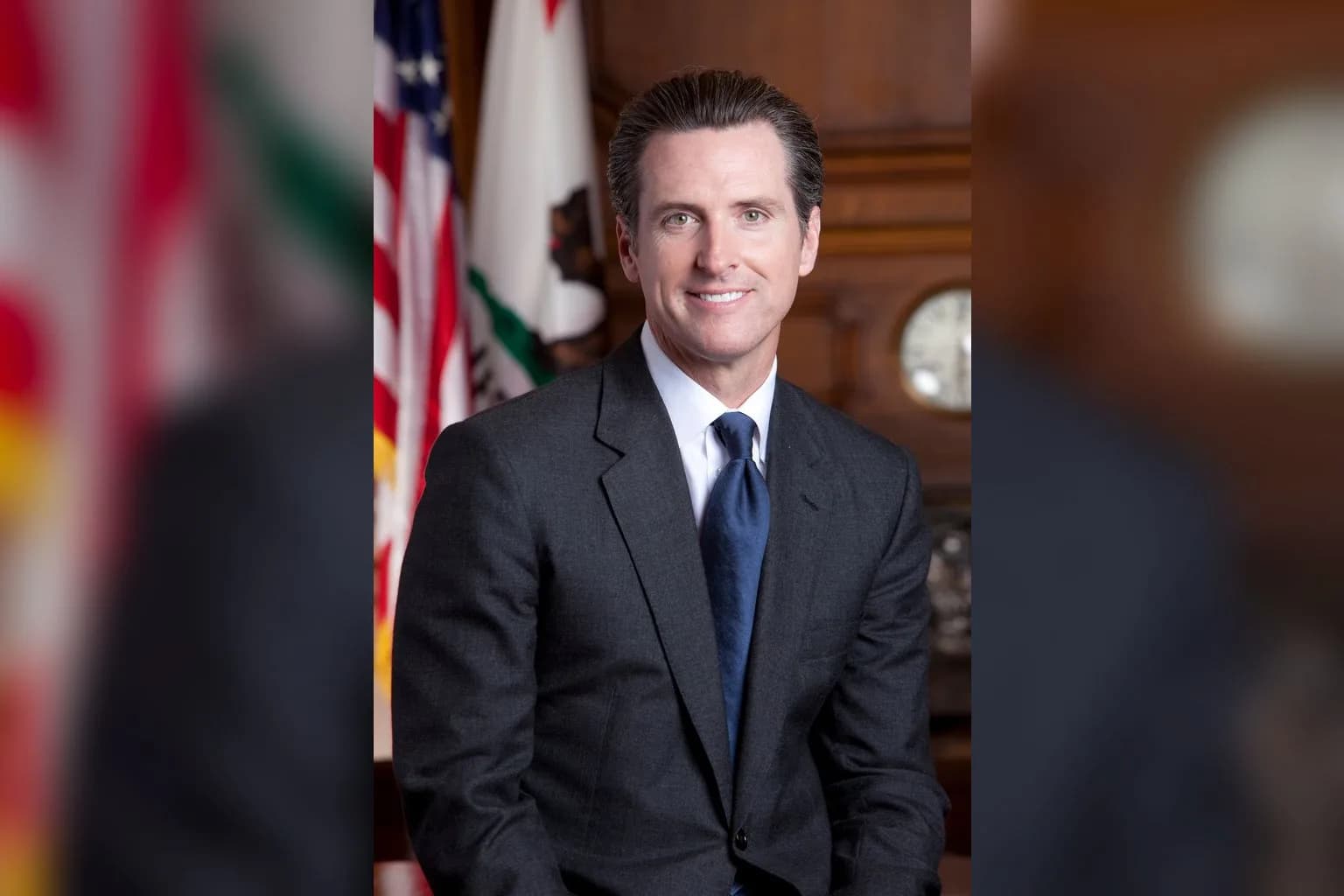
After vetoing similar legislation a year earlier, despite broad-majority backing in both houses of California’s legislature, Governor Gavin Newsom has signed the No Robo Bosses Act.
SB 947 prevents employers from making disciplinary or dismissal decisions solely through an artificial intelligence system. When AI is the employer’s main basis for such a decision, a person must independently verify it through supervisory evaluations, personnel files, work product, peer reviews and witness interviews.
Employers must tell workers if AI was primarily used in a disciplinary action or firing. The notice must explain the data used by the system and provide a human contact for further discussion.
Democratic state Senator Jerry McNerney, who authored SB 947, put the principle plainly: “No worker should ever be fired or disciplined by a machine, AI or not”.
McNerney first introduced the measure after organised labour in California called for workplace AI protections. Uber Technologies and Lyft criticised the proposed protections for gig workers. In February, McNerney brought the bill back after dropping language that would have required advance notice when an AI system could affect working conditions.
Lorena Gonzalez, president of the California Federation of Labor Unions, said: “When working people organize, we get results”.
The package also limits what employers can ask AI to infer. SB 947 prohibits the use of AI to determine an employee’s protected status under the Fair Employment and Housing Act. It also prohibits AI from predicting or taking adverse action against a worker for exercising legal rights.
Newsom signed SB 951, which changes California’s WARN requirements. Employers must include extra information in employee notices when an AI system or automated technology caused a mass layoff, relocation or termination in whole or in substantial part.
AB 1331 and AB 1883 prohibit employers from using AI workplace-surveillance tools to collect employees’ neural data or recognise their emotional state. The laws generally prohibit surveillance tools in workplace bathrooms, and let employees leave those tools behind when entering a bathroom.
McNerney said AI may raise productivity while still reaching unsound conclusions. “Artificial intelligence systems have the potential to boost productivity, but they've also made errors and misjudgments and exhibited bias,” he said.
Newsom described the measures as first-in-the-nation legislation to protect people at work from AI, automated technology and AI-powered workplace surveillance. The legislation also requires California public higher education institutions to create training for students, faculty and staff on AI training and procurement. It prohibits lawyers from fully handing core legal work, including drafting briefs or providing legal judgment, to AI.
The governor had previously signed an executive order to prepare workers and businesses for potential AI disruption. Unless otherwise noted, the new laws take effect January 1, 2027.




Comments (0)