
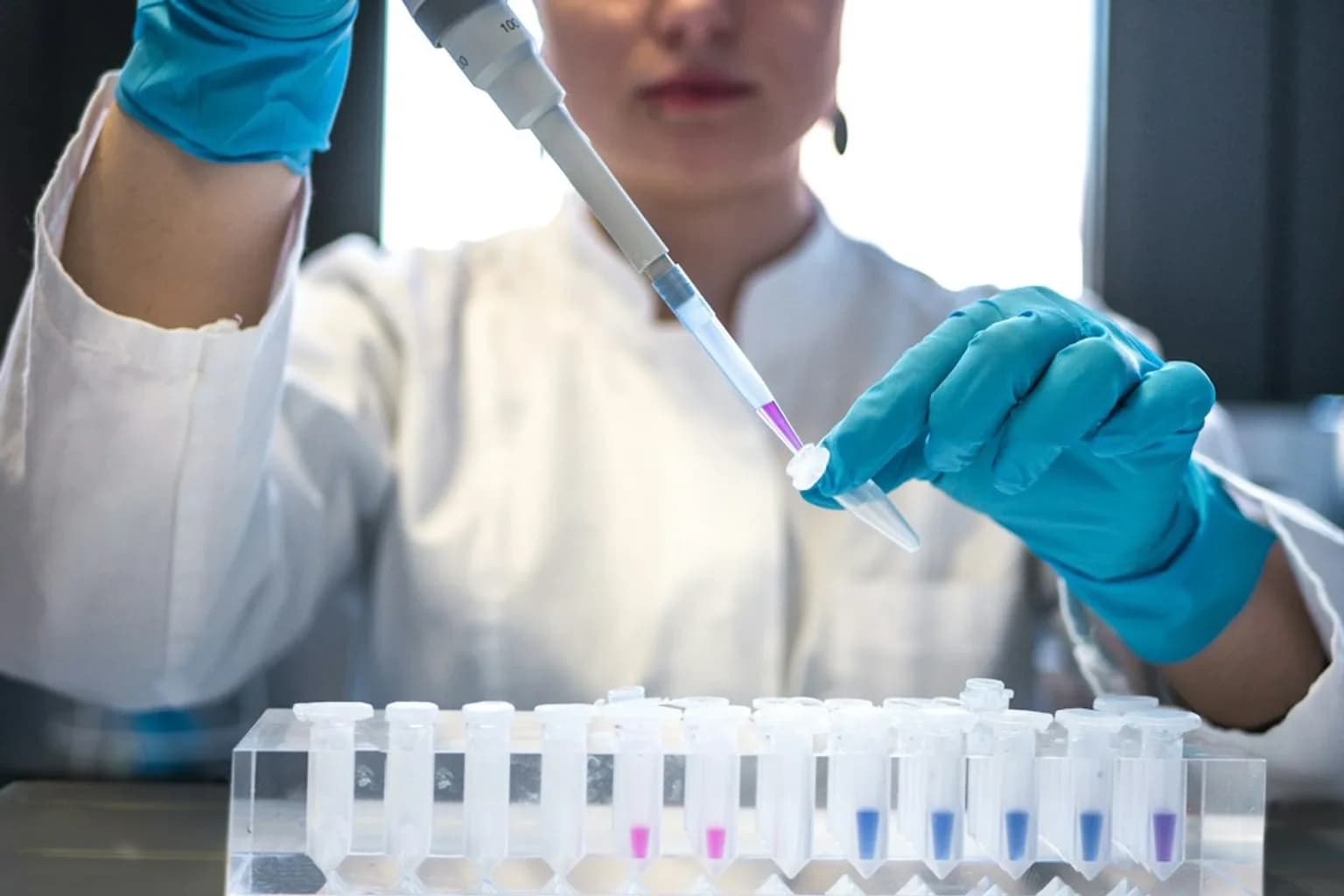
Researchers synthesised watermarked and non-watermarked protein binders, then tested how well they attached to target proteins. The watermarked binders remained functional against VEGF-A, PD-L1 and the receptor-binding domain of the SARS-CoV-2 spike protein.
Pushmeet Kohli, Chief Scientist at Google Cloud and VP Science at Google DeepMind, described the work as the successful synthesis of AI-designed proteins that are both functional and watermarked.
Google DeepMind has introduced SynthID Bio, a system that places invisible, verifiable provenance signatures in synthetic protein sequences and three-dimensional protein structures without impairing their function. The work was published in Nature on 30 September, and DeepMind released the model weights, code and in vitro data alongside the paper.
The system arrives as AI protein-design tools have become able to generate sequences with no evolutionary history. That creates a problem for a common part of biosecurity screening: when researchers order custom DNA from commercial synthesis providers, providers typically compare the order with databases of known dangerous sequences.
That screening system assumes that an unfamiliar sequence is a natural variant of an organism already catalogued, rather than a wholly engineered molecule. A well-resourced actor could use AI tools to design a dangerous novel protein that evades current protocols for that reason.
DeepMind had spent three years adapting its watermarking architecture for digital images, audio and text before applying it to physical molecules. In protein sequences, SynthID Bio changes the selection of amino acids as an AI model creates a sequence. The signature can then be detected with a secret watermarking key. Its sequence method works at the amino-acid level and adapts the tournament-sampling approach from SynthID-Text.
For protein structures, the researchers fine-tuned part of AlphaFold 3's diffusion network so the watermark is built into the predicted atomic coordinates. The watermark is embedded directly in the model's weights.
Across three clinically relevant protein targets, watermarked binders matched unwatermarked versions on hit rate, binding affinity and natural sequence diversity. The recommended structural method detected watermarks at a rate above 99.8% with a 0.1% false-positive rate in the researchers' tests. It also preserved key structural accuracy measures compared with the AlphaFold 3 baseline.
SynthID Bio addresses the growing practical need to tell AI-designed proteins apart from sequences that may appear novel for natural reasons.





Comments (0)