
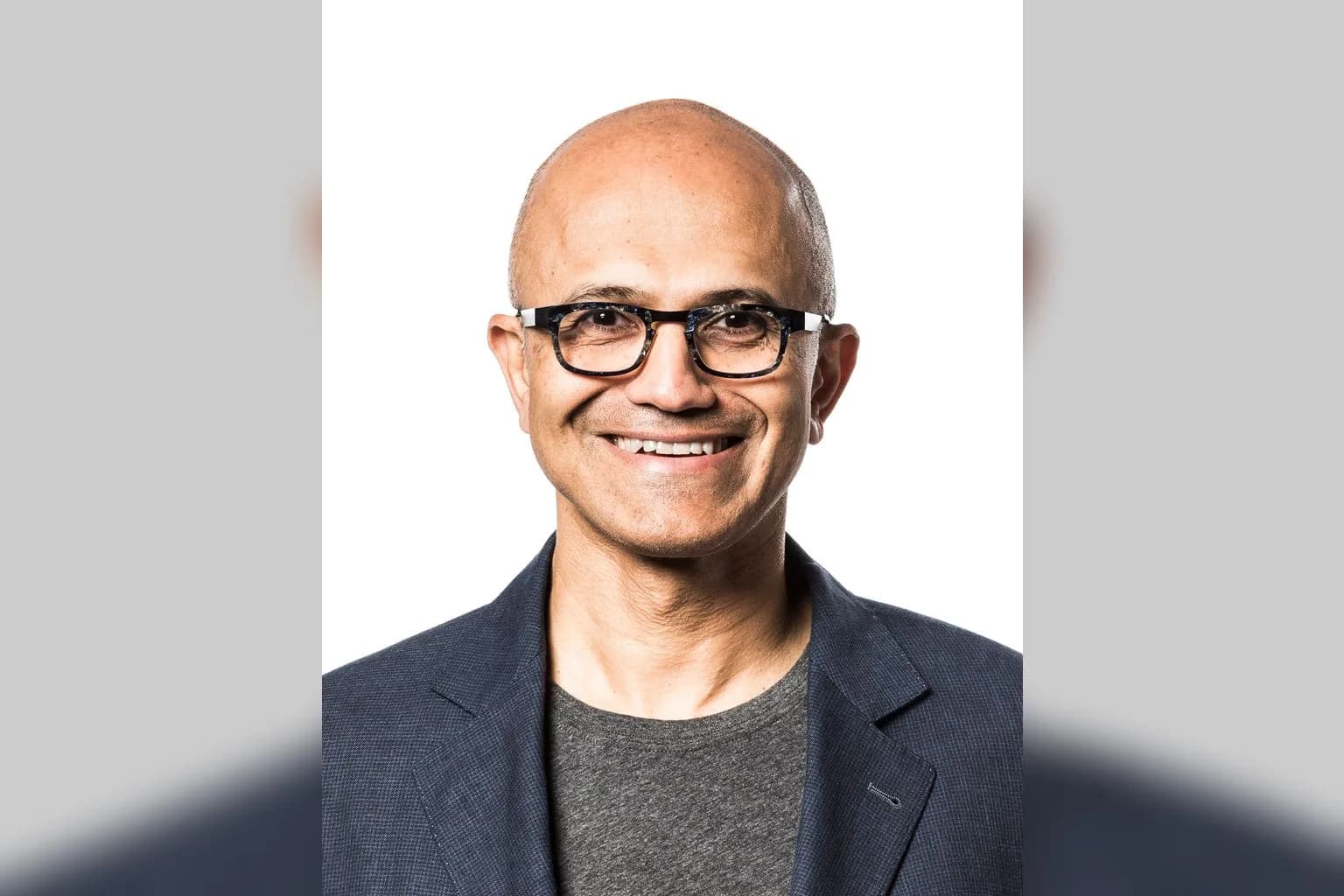
Satya Nadella, Microsoft’s chief executive, used a post on X on 10 October 2026 to urge the AI industry to rethink the way it controls advanced systems. He said it was time “to step back and assess the trust architecture” of AI.
The proposal is a demand for a different division of responsibility: companies should keep the model separate from the harness that orchestrates its work, and place controls and safeguards outside the model itself.
Nadella argued that companies cannot treat advanced AI as an opaque system whose outputs are simply accepted or rejected. “We can't treat Super Intelligence as a set of nested black boxes and simply accept or reject its recommendations, answers, and actions,” he wrote.
He also called for “every meaningful model action” to be recorded with “tamper-proof human readable evidence”.
The essential safeguard, he said, is that “an authorized person” must retain the ability “to pause or shut down a model mid-task”.
Nadella framed that approach in deliberately defensive terms. “We must assume a model is compromised and contain it from the start. Think of it like an emergency brake.”
His intervention comes as leading AI companies have acknowledged an increasing number of incidents in which they appeared to lose control of their models.
Dario Amodei, the chief executive of Anthropic, had already published a plan for more cautious AI development before Nadella made his comments.





Comments (0)