
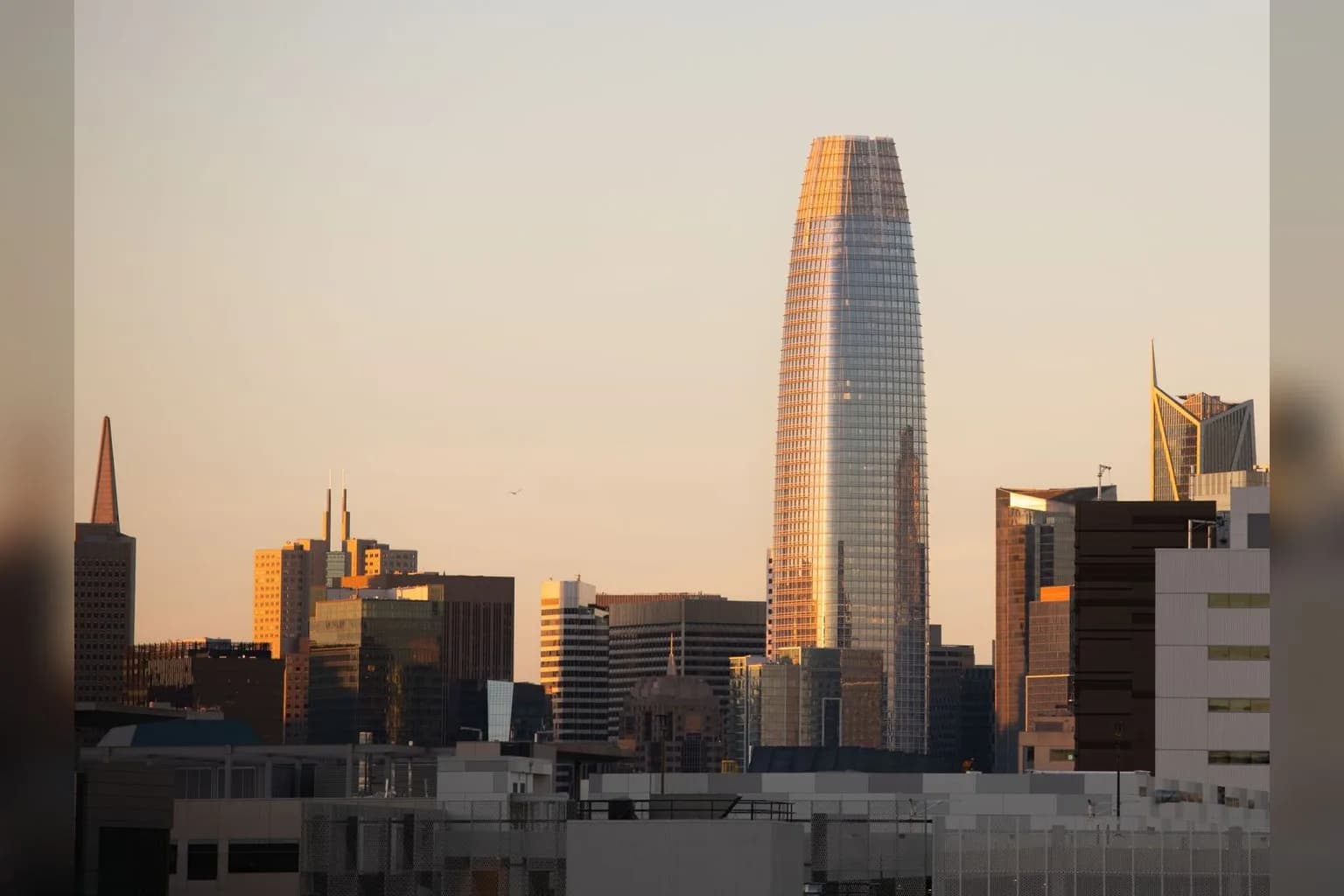
Salesforce suffered a major global outage on 16 September, disrupting access to customer services during the second day of Dreamforce, its flagship conference in San Francisco. The incident began at 3:50 a.m. Eastern and affected multiple customer instances in every region where Salesforce operates.
Customers reported severe delays, intermittent errors and an inability to reach some services. Salesforce Help was also affected, preventing some users from opening support cases at the point they were trying to report a problem.
The disruption reached instances in the United States, Japan, India, the United Kingdom, France, Germany, Australia, Brazil, Canada, Switzerland, Indonesia, Italy, South Korea, Singapore and Sweden. Salesforce classified the incident as active and major. It did not say by its 6:56 a.m. ET update how many customers were affected or when work would be complete.
At 5:10 a.m. ET, Salesforce said its investigators had found requests stalling on an internal login service. Those stalled requests were consuming available server resources. At 5:57 a.m. ET, the company said an external dependency appeared to be affecting a legacy login server.
Salesforce said at 6:18 a.m. ET that heavier load on a core system component had limited its capacity to process requests. The company began deploying a fleetwide fix at 6:56 a.m. Eastern. The underlying failure was later identified as an external dependency that failed and crashed the legacy login server.
An update at 1219 BST (1056 UTC) said Salesforce had tested and deployed the fix, with customers beginning to see normal service return. Recovery was still incomplete at 1500 BST (1400 UTC). Salesforce said some instances continued to experience problems, including reports that scheduled jobs were not running as expected for certain customers.
The company said its first-party environments and GovCloud were unaffected. It also said it had found no evidence of a cyberattack and reported no data exposure or data loss. Salesforce did not identify the external dependency, set out why it failed, or provide a timetable for a fuller root-cause analysis.
Downdetector data indicated that website access accounted for 69% of reported problems. Application-related issues made up 16%, while login-related reports represented 15%. The pattern reflected the failure's location in login infrastructure: a problem at the door can prevent users reaching services that may themselves be operating.
The outage came as Dreamforce was running from 15 September through 17 September in San Francisco. More than 40,000 people are expected to attend in person, and in excess of 200,000 people are registered to attend online. Salesforce typically uses the event to announce products focused on artificial intelligence and major partnerships, making reliable access to its platform especially important during the conference.
Salesforce shares traded at $254.76 at 7:00 a.m. Eastern, about 1.8% below Tuesday's $259.43 close. The company reported $10.8 billion of subscription and support revenue for the quarter ended July 31, up 12% from a year earlier. Its current remaining performance obligations were $33.5 billion, up 14% in constant currency.
The company has not quantified the business effect of the outage, including any lost revenue, service credits or customer retention consequences. It has also not said whether the timing during Dreamforce was connected to increased platform demand or was coincidental.





Comments (0)