
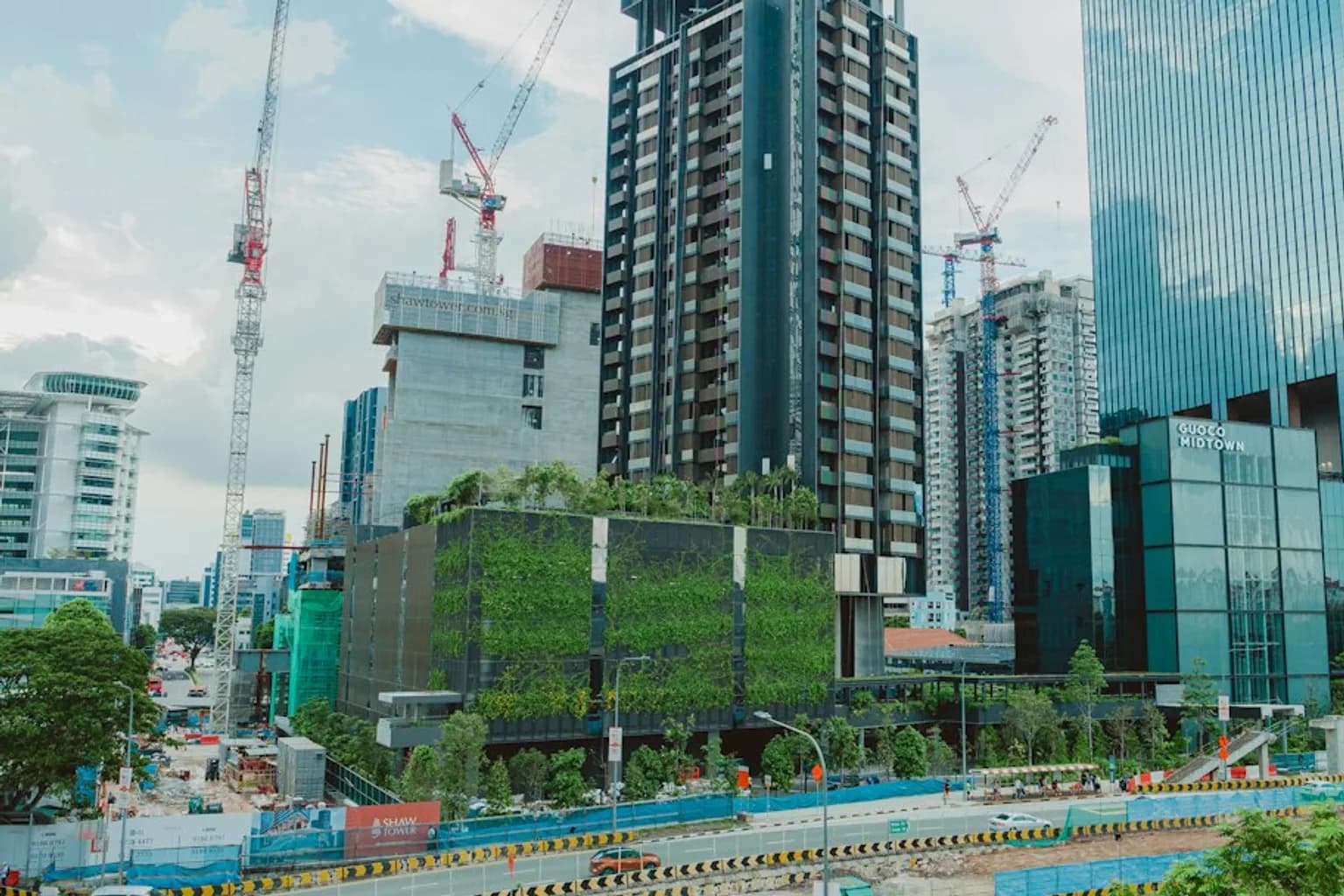
When the governor of Indonesia's West Java province inspected BDx Data Centres' planned 640-megawatt artificial intelligence data centre campus at Jatiluhur in September 2026, the project was part of a regional race for technology investment. BDx, a Singapore company, broke ground on the campus on September 22. By October, the governor had ordered work to stop because key permits, including the environmental impact assessment, had yet to be issued.
Thailand had already reached a similar point. On September 4, it paused 166 data centre projects, including 49 under construction and 117 awaiting approval. Government agencies convened in early September 2026 to write nationwide standards covering resource use, locations, safety and economic benefits.
Those interventions mark a change in a region that had courted the artificial intelligence boom aggressively. Amazon, Google, Microsoft and Oracle have committed more than $160 billion to Southeast Asia. By 2026, Indonesia, Malaysia, Singapore, Thailand, Vietnam and the Philippines hosted more than 2,000 data centres, while investment in Southeast Asian facilities is estimated at $30 billion by 2030.
The physical timetable has proved less accommodating than the investment timetable. Bain & Company says grid infrastructure takes 5 to 15 years to build, while hyperscale data centres can go up within a year. Asia Pacific data centre electricity use is projected to rise from 320 terawatt-hours in 2024 to 780 terawatt-hours by 2030. Renewables supply only 30% of demand in Asia's data centre power supply, and lead times for gas turbines have stretched to five to eight years.
Yanqi Cao, a senior analyst for Asia Pacific Power Research at Wood McKenzie, said data centres had become the main force behind a transformation in regional electricity demand. They are reversing decades of flat or falling consumption in markets including Japan, Cao said.
Water is part of the same calculation. The International Energy Agency puts global data centre water consumption at around 560 billion litres a year, and expects it to reach 1,200 billion litres by 2030. In Thailand, approximately 70% of approved data centre projects are concentrated in the Eastern Economic Corridor, a manufacturing zone already under water stress from industrial demand.
On Batam island in Indonesia, new data centre commitments have already placed water and grid capacity under severe strain. In April 2026, Indonesian state utility PLN Batam agreed to provide DayOne Data Centres with roughly 450 megawatts of capacity on the island.
Singapore had previously taken a more cautious route, imposing a moratorium on new domestic data centres between 2019 and 2022 because of energy and land constraints. Elsewhere, the push continues. The Philippines unveiled a $34.4 billion roadmap in September 2026 to increase its data centre capacity thirtyfold by 2033.
Thailand is now trying to make efficiency part of the bargain. Data centres classed by its Board of Investment as of “high quality”, meaning the most energy- and water-efficient projects, can receive an eight-year tax holiday. Other projects receive five years. Of the THB 1.87 trillion in investments approved by the board in Thailand in 2025, 40% was for data centres.
In August, Thailand's energy minister announced a major liberalisation of the electricity market, allowing any company to buy power directly from renewable energy suppliers.
Mark Manantan, a research fellow at the Centre for Global Security at La Trobe University, said data centre construction had moved faster than regulatory rule-making. Different levels of government had then responded to different gaps in the rules, he said.
Alvin Camba, a non-resident fellow at the Atlantic Council's Indo-Pacific Security Initiative and director of research at Lyvi, said governments feared missing the artificial intelligence boom and had underestimated the costs that followed. Predictable regulation and reliable infrastructure, rather than permissive rules, were what would draw and keep investors, he said.





Comments (0)