

The United States and China are considering a notification mechanism for artificial intelligence incidents with national security implications, a step best read as an effort to create a direct line of communication between the two leading AI powers before President Donald Trump meets Chinese President Xi Jinping this week.
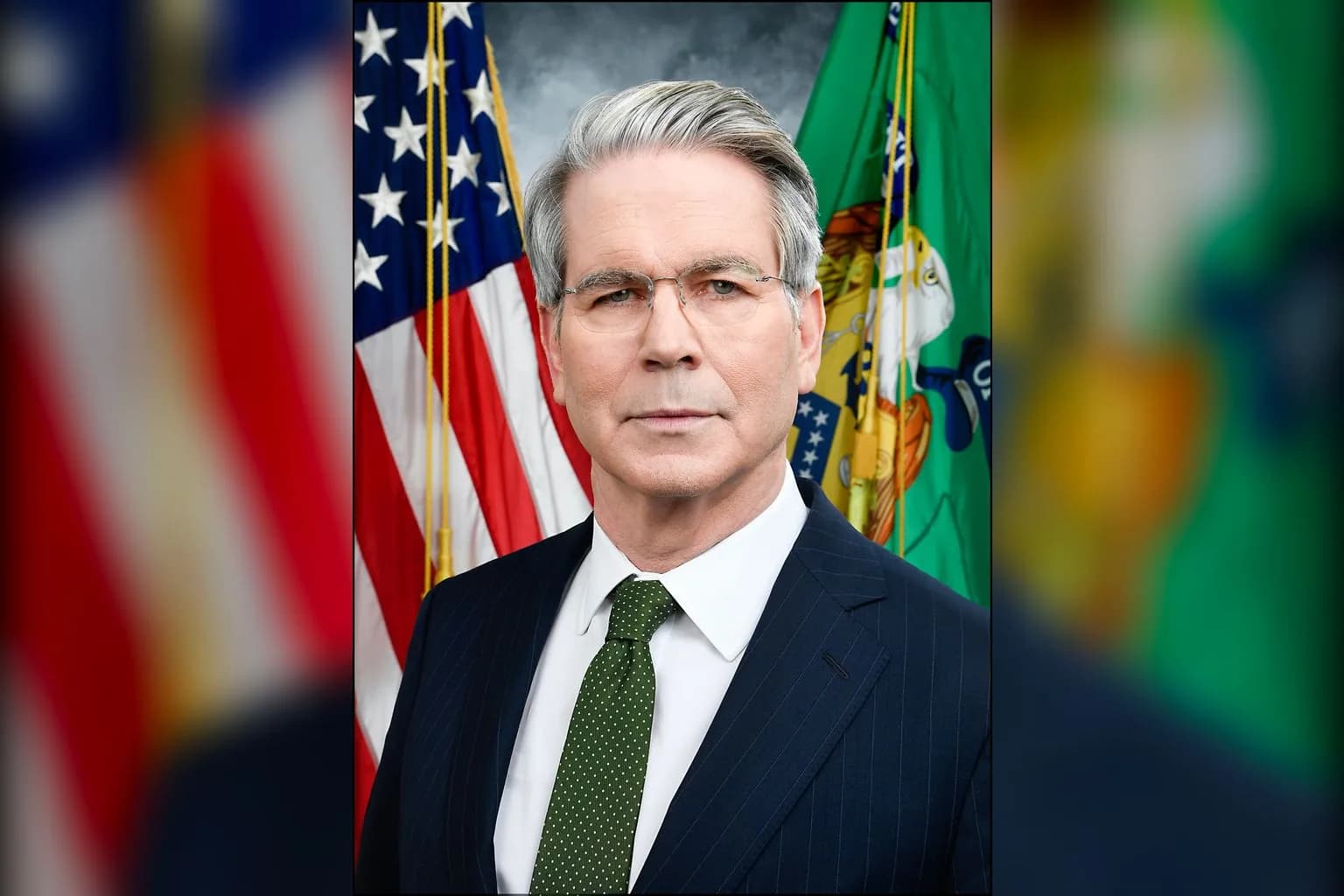
Treasury Secretary Scott Bessent said he discussed the proposal with Chinese Vice Premier He Lifeng during talks in New York on Sunday. U.S. Trade Representative Jamieson Greer also met Chinese counterparts that day. The discussions covered trade and AI, and Bessent said the sides had agreed to meet again, potentially in two months.
“We just had a very successful engagement with the Chinese on trade and AI,” Bessent said. He described the prospective channel as the “US-China AI dialogue”, with an emphasis on national security concerns.
The proposed notification process would apply to potential “incidents”, or an instance “that rises up to a national security level from AI”, Bessent said. Officials from both countries plan to discuss “more transparency” on AI when Trump and Xi meet in Washington this week.
Xi is due to arrive Wednesday for a state visit. It remains unclear whether the summit will produce a binding agreement on the notification mechanism, or whether China will formally join the proposed dialogue framework.
Bessent framed the proposal as a way to reduce opacity between countries whose AI development has strategic implications for both sides. “We think that just like any cross-border activity, that moving from opaque to more transparency between the No. 1 and the No. 2 AI powers in the world is very important,” he said.
Xinhua, China’s state news agency, said on Monday that the talks had been “candid, in-depth, and constructive”. Neither side has set out the technical design of a notification system, including what would qualify as a reportable AI incident, who would classify it, or the procedures for making contact in an emergency.
Sun Chenghao, a research fellow at Tsinghua University’s Center for International Security and Strategy, said such a system could become the first US-China mechanism specifically aimed at AI crisis management. Designated points of contact, protocols for classifying incidents and emergency communication procedures could help each side establish facts and understand intentions during the early phase of a possible crisis, he said.
The proposal follows an earlier conversation between Trump and Xi in May in Beijing, when they discussed potential consultations on AI development. That forum was never formalized. The latest discussions point to a more defined agenda, although the timing for any notification system remains unknown and neither government has said whether it would carry enforcement or penalty provisions.
Future US-China AI sessions are expected to address the weaponization of AI, principles for AI safety, protection of critical infrastructure and prevention of cyber-attacks. A standing dialogue could give the two governments a forum for those issues while creating a narrower channel for incidents judged to affect national security.



Comments (0)