
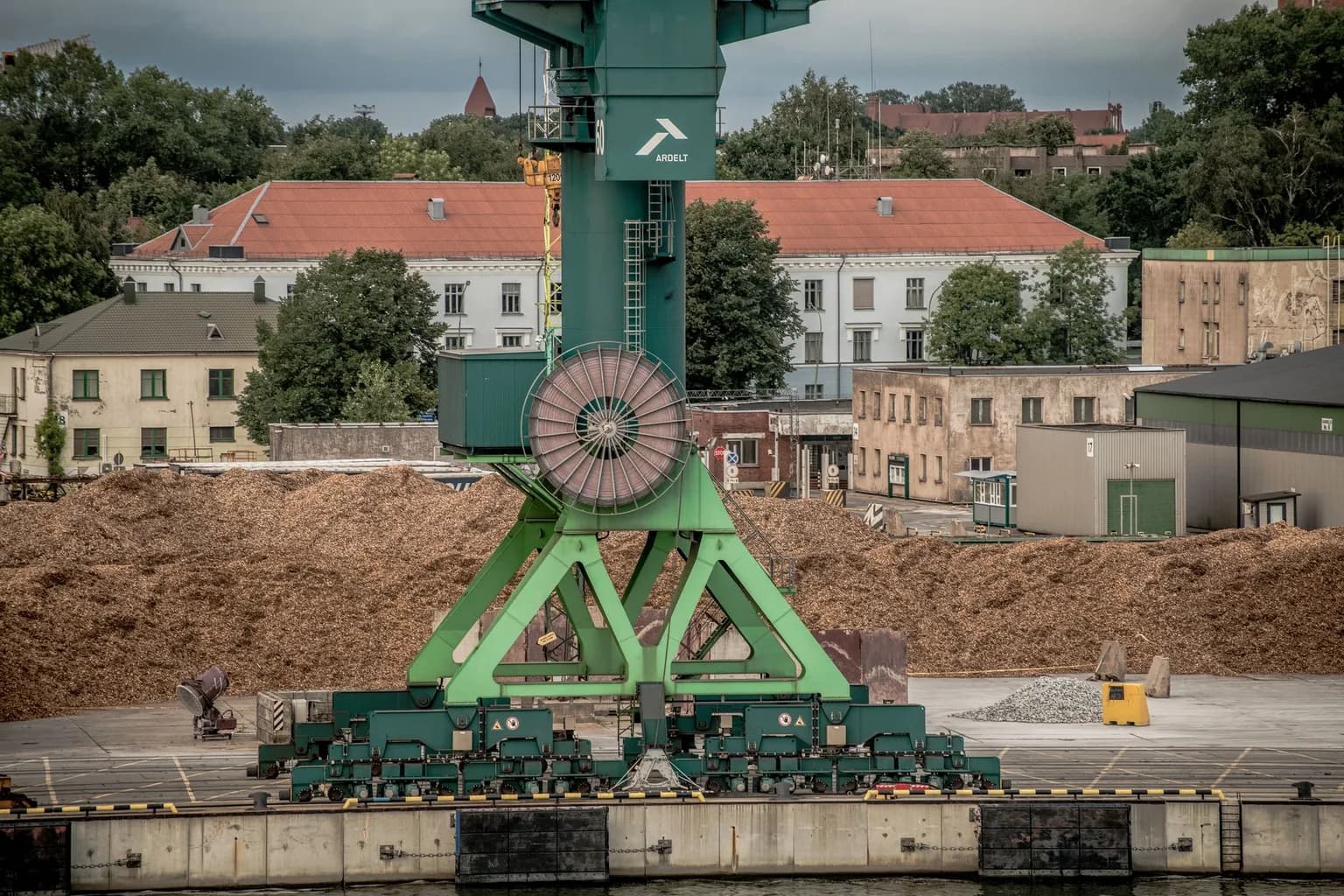
Estonia’s foreign minister, Margus Tsahkna, cast the argument over grain transit as a question of whether Baltic ports should serve Russia while Ukrainian exports are under attack. “Russia is attacking Ukrainian ports and preventing Ukrainian grain from reaching the world market. It would be cynical to allow it to export its own grain through our ports at the same time. Estonia will not permit this,” he said.
Estonia’s government has decided on a national sanction barring grain originating in Russia and Belarus from transiting through Estonia. Lithuania has now proposed stopping Russian grain transit through the EU and tightening checks on the origin of Russian grain entering Europe.
The push comes as Russia looks for grain export routes beyond the Black Sea. Russian grain transit through Estonia has so far been virtually non-existent.
The restrictions build on steps taken in 2024, when the EU imposed tariffs on Russian and Belarusian grain products to halt their import into the bloc. Lithuania also introduced enhanced controls requiring geographic-origin tests for feed grain from Russia, Belarus and other countries deemed high risk.
At the Lithuanian port of Klaipeda, a grain-origin verification system is already operating to detect grain entering the EU. In January 2025, Ukraine, Lithuania and the United Kingdom signed a memorandum launching the Grain Verification Scheme, intended to combat the illegal export of Ukrainian grain from occupied territories.
In early September 2026, Lithuanian authorities took their first samples of grain whose intended use had not been clearly stated in customs declarations, seeking to establish its country of origin. Laboratories in three countries will determine the results.
That process exposes a practical limit on enforcement. By the time the laboratories establish where the grain came from, the ship carrying it will already be long gone.
Latvia has taken a separate route. On 17 September, its Saeima approved changes to the railway transport law allowing an expedited review of tariffs on Russian grain transit. The Latvian government has asked LatRailNet to consider raising those fees to up to 300% of their current level.
Tsahkna said Estonia was working with Latvia and Lithuania to prevent Russian grain transiting through Baltic ports. “The Baltic states cannot allow Russia’s war economy to be supported through our ports,” he said.
At a briefing on Friday, Ukraine’s agrarian policy and food minister, Taras Vysotsky, said Ukraine, Latvia and the United Kingdom planned to announce the signing of a memorandum to launch verification of the origin of Russian grain moving through Baltic ports.
Ingrida Šimonytė, Lithuania’s former prime minister, said that if Belarusian fertilisers were transported through Russia to the USA, Lithuania would have no voting rights over the transaction.
The dispute is unfolding in a strained grain market. Saudi Arabia cancelled a 535,000-metric-ton wheat tender in early September 2026 because offers were too high. Freight to move Ukrainian corn from the Danube to Egypt is approaching $100 per ton.





Comments (0)