
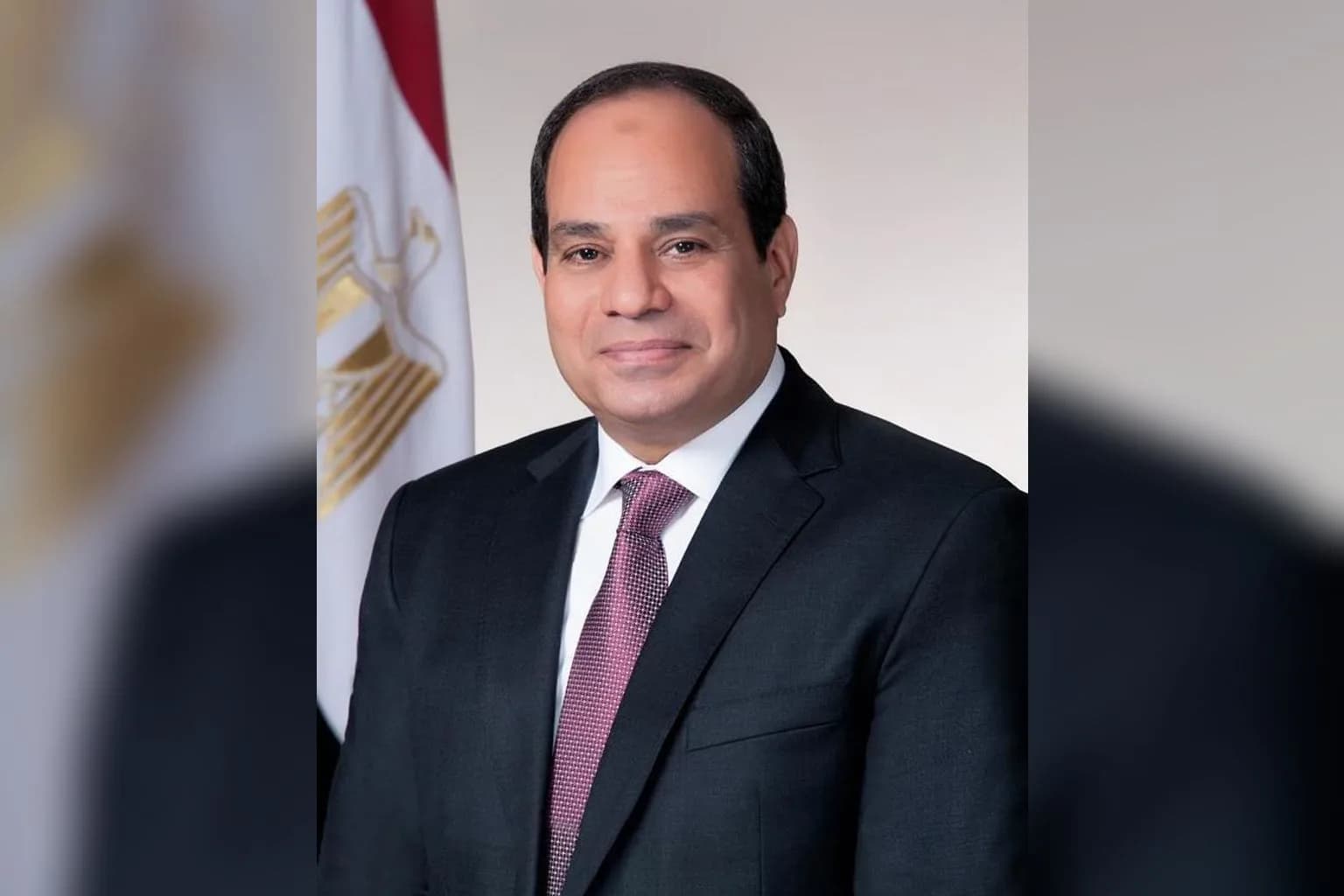
Egyptian President Abdel Fattah El Sisi brought Eritrean President Isaias Afwerki to El Alamein for a summit on 4 October, as the region faced renewed strains over Ethiopia, Sudan’s war and Somalia’s territorial integrity. Afwerki had travelled to Egypt on Saturday at Sisi’s invitation, with discussions expected to cover the Red Sea, Gulf of Aden, Arabian Gulf and Nile Basin.
In New Alamein City, alongside the eighth African Union Mid-Year Coordination Meeting, Sisi was joined by Sudan’s Transitional Sovereignty Council President General Abdel Fattah Al-Burhan and Somali President Hassan Sheikh Mohamud. The four leaders issued the El Alamein Joint Declaration.
The declaration rejected unilateral measures that could damage Egypt and Sudan’s water rights in their dispute with Ethiopia over the Grand Ethiopian Renaissance Dam. Egypt fears the project could affect its annual water allocation of 55.5 billion cubic meters.
It called for a Sudanese-owned and Sudanese-led political process to resume. The leaders also affirmed support for Sudan’s sovereignty, territorial integrity and institutions, rejected parallel entities and opposed support for mercenaries in Sudan.
For Sudanese civilians, the language of sovereignty sits alongside a war that has reached into homes. S, a Sudanese doctor, was trapped in a health centre in the early days of the fighting and needed a truce to leave. She crossed the Fiteihab and Halfaya bridges to reach her family in Kober, where bullet holes marked the walls of her bedroom.
The four governments also reaffirmed Somalia’s unity and sovereignty, rejecting interference that threatens its territorial integrity. They rejected recognition of or support for so-called Somaliland.
Those positions followed a series of developments involving Ethiopia. On 1 January 2024, Ethiopia signed a memorandum of understanding with Somaliland that paved the way for a military base and port on the Red Sea.
In late September, the Tigray People’s Liberation Front stepped up attacks in Ethiopia and seized airports, according to the account of events surrounding the summit.
On Thursday, Ethiopia severed relations with Eritrea and expelled an Egyptian diplomat. Eritrea then severed diplomatic ties after Addis Ababa closed its embassy in Asmara and expelled Eritrean diplomats.
Addis Ababa accused Eritrea of direct and indirect hostile activities, alleging that Asmara supported forces fighting the federal government. It also accused Egypt, Eritrea and Sudan of supporting an opposition alliance led by the Tigray People’s Liberation. Eritrea has denied involvement in efforts to destabilise Ethiopia.
Against that background, the El Alamein declaration rejected interference in the internal affairs of countries in the region under any pretext. The leaders agreed to meet periodically, and whenever needed, to deepen consultation and coordination.





Comments (0)