
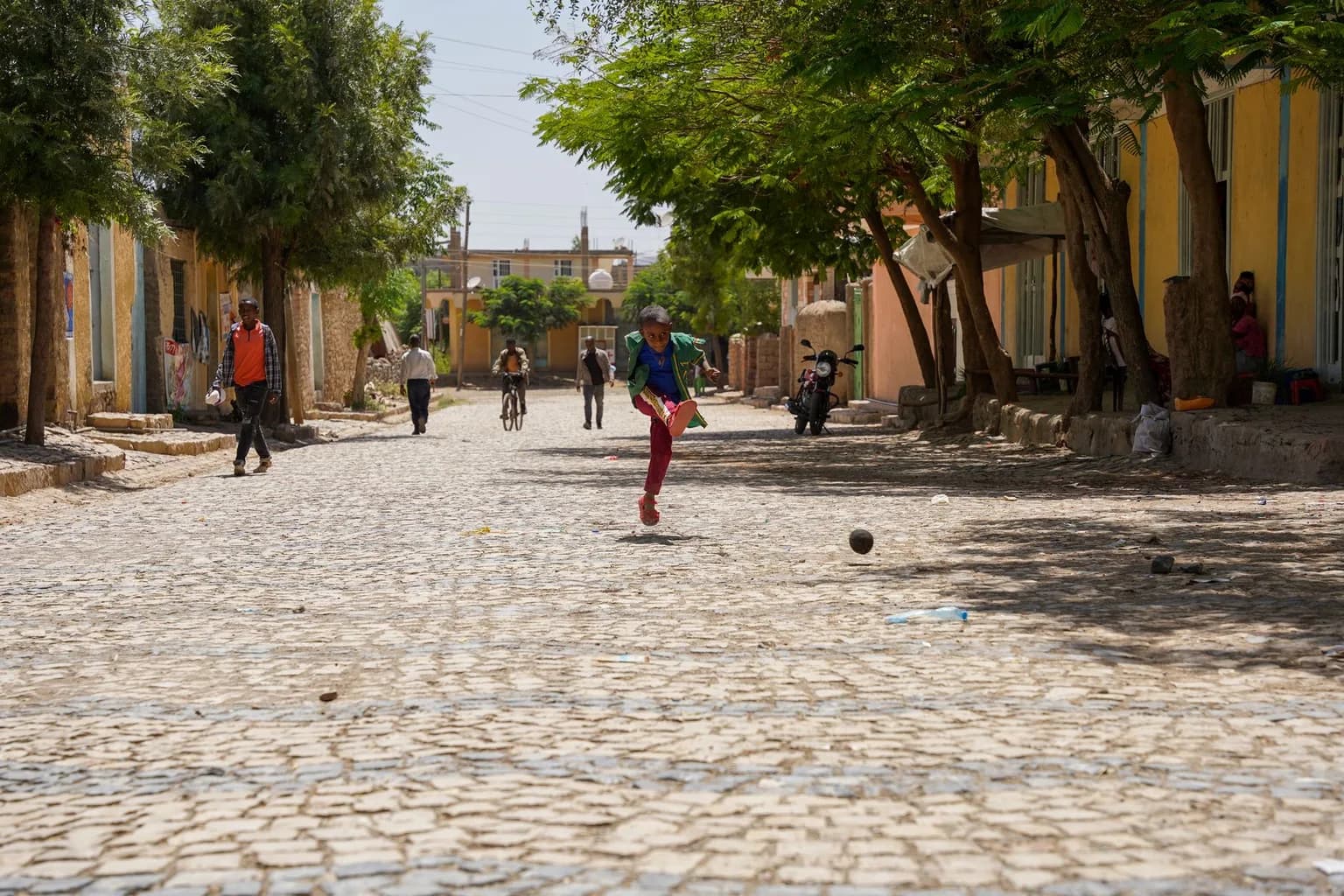
Fighting between Ethiopian troops and the Tigray People’s Liberation Front, or TPLF, escalated on Thursday, placing a fragile 2022 peace deal under renewed pressure after years of relative calm.
The latest violence first broke out in the Tigray Region of northern Ethiopia on Wednesday. The TPLF launched what was described as an all-out offensive against government positions in the neighbouring Afar and Amhara regions. Ethiopian government forces then began a counter-offensive after the TPLF and its allies attacked several areas of North Wollo, an Amhara region bordering Tigray.
Ethiopia’s military said it had killed 272 people among the Tigrayan rebels and wounded some 260 more. Those figures could not be independently verified, and the available accounts did not provide a breakdown of casualties between fighters and civilians.
Amanuel Assefa, the TPLF vice president, told AFP news agency: “We are in the situation of full-blown war now”. In a separate statement, the TPLF said: “The Tigray army has been instructed to counter the attack and genocidal invasion launched against us”.
The conflict has also disrupted civilian services across the north. TPLF forces seized Mekelle, Axum and Shire airports, and Ethiopian Airlines suspended flights to all three locations. NetBlocks detected a network outage in northern Ethiopia on Friday.
Fighting also reached the northern area of Welk in the Amhara region, around sites listed by UNESCO as World Heritage in Lalibela. The extent of the humanitarian impact, including any displacement caused by the fresh fighting, remains unclear.
The immediate military aims are also uncertain. Kjetil Tronvoll, a regional expert, said: “Their stated aim is to take Addis, but its tactical manoeuvres to reach the city are not yet known”. He said the operation in Afar was likely intended to cut off supplies from Djibouti, which provides almost all of Ethiopia’s international trade cargo, including fuel.
The new confrontation carries particular weight because the TPLF fought the Ethiopian military from 2020 to 2022 in a conflict that killed hundreds of thousands of civilians. African Union estimates put the death toll from that civil war at more than 600,000 people.
The 2022 agreement brought an end to that period of fighting, though the renewed conflict now threatens to shatter the peace deal. It remains unclear whether the agreement’s framework is formally still in effect and what territory either side currently controls.
The African Union, the United Nations and other international observers have called for restraint and de-escalation. Ervin J. Massinga, the US ambassador, said: “I am disappointed to see the leadership of the TPLF, that the United States sanctioned earlier this year, make the poor decision to launch a large-scale offensive today”.
Neither side’s force numbers, the full scale of the fighting or the prospects for a halt in hostilities were clear. The closure of airports and the network outage nevertheless indicate that the consequences are already reaching beyond the front lines.

Comments (0)