
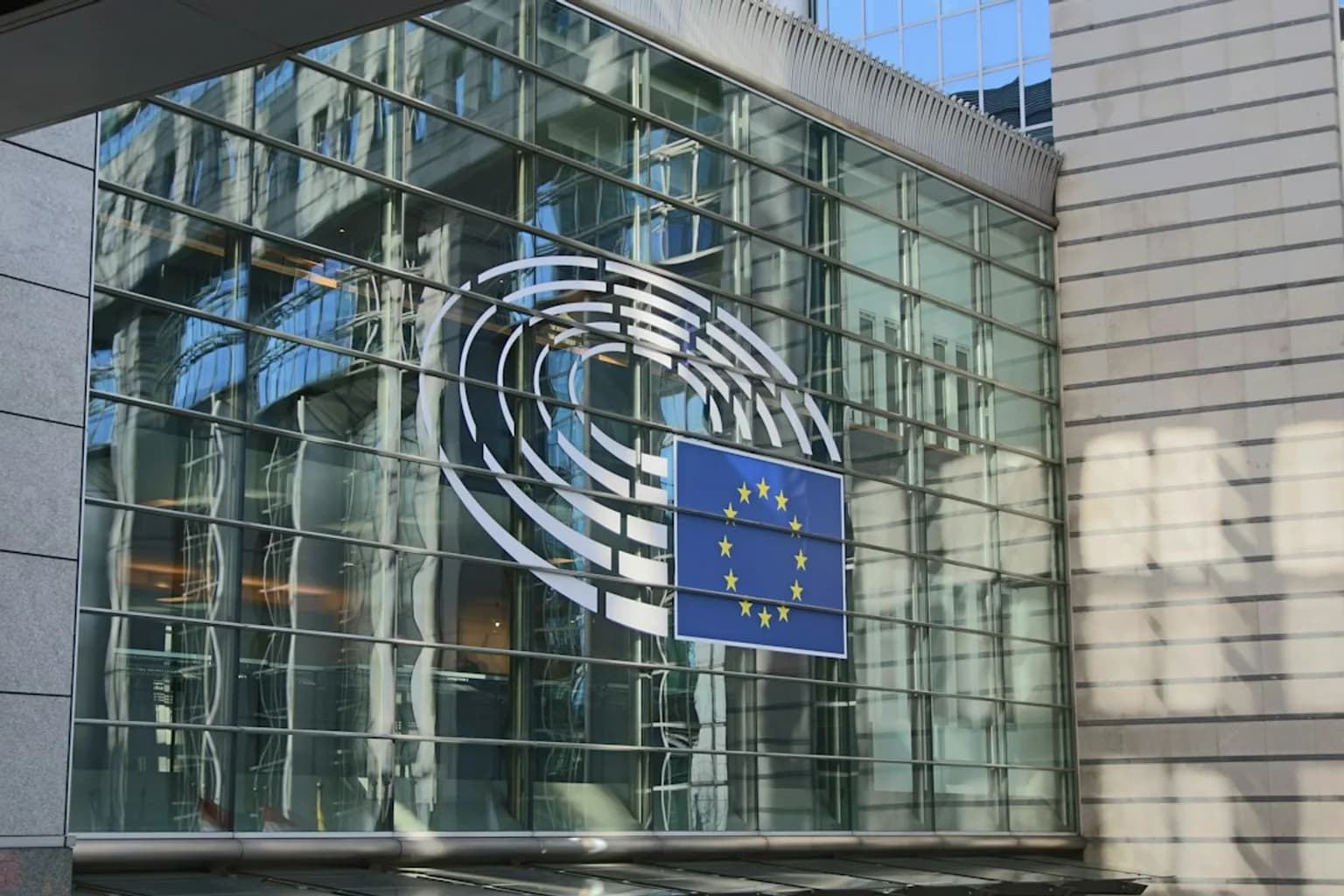
EU ambassadors will meet in Brussels on 7 October 2026 to vote on a new package of sanctions against Russia, a test of how far the bloc is prepared to go in closing the economic, financial and trade links that remain available to Moscow.
The ambassadors are set to approve the measures, which would be the largest sanctions package since Russia’s full-scale invasion of Ukraine in 2022. The lists would then go to EU foreign ministers for final approval on Monday.
The European External Action Service, the EU’s foreign policy body, proposed around 1,650 new designations. Around 1,570 entries concern organisations and individuals connected to Russia’s defence-industrial complex, with missile manufacturers accounting for more than half of the restrictions.
The measures would bar those listed from travelling to or carrying out transactions with the EU, while freezing their assets. Their stated purpose is to increase the cost of Russia’s war.
The package also adds 10 individuals and 17 organisations to the EU sanctions list over the deportation, forced transfer and assimilation of Ukrainian children. Separately, the EU has targeted six Russian scientists and military-linked researchers under its chemical-weapons sanctions regime following the death of Alexei Navalny.
The Council has also listed 16 individuals and seven entities accused of involvement in the unlawful deportation, forced transfer, indoctrination and militarisation of Ukrainian children taken from occupied territories.
Ursula von der Leyen, the European Commission president, has argued that pressure should keep increasing while the bloc concentrates on making existing restrictions work. “Our sanctions are painful; they are putting enormous pressure on the Russian economy. Russia is doing everything it can to circumvent them, so we must close all loopholes,” she said in her annual State of the Union speech.
Kaja Kallas, the EU’s top diplomat, recently floated what were described as the most far-reaching Russia sanctions listings since Vladimir Putin’s full-scale invasion. Helen McEntee, Ireland’s foreign minister, told Euractiv in July that each further step became harder because economies, industries and sectors across member states were increasingly interconnected.
The pressure campaign has faced two persistent constraints. Sanctions on Russia are being circumvented through trade with third countries including China, India, Turkey and nations in Central Asia. Within the EU, disagreement over exemptions and delistings has also made consensus harder to sustain.
Latvia refused to support a previous EU compromise extending sanctions on almost 3,000 Russia-linked individuals and entities. On Monday, EU capitals failed to roll over sanctions on thousands of Russian individuals and companies after Slovakia and France demanded the delisting of the Russian-Uzbek oligarch Alisher Usmanov.
The EU’s latest sanctions package was the 21st adopted since Russia’s invasion of Ukraine in 2022. Wednesday’s vote will show whether the bloc can agree on a much wider strike at the industries that supply Russia’s weapons systems.





Comments (0)