
For Daria Bonfietti, the Ustica disaster has remained personal for decades. Her brother Alberto was among the 81 people killed, and she went on to co-found an association of relatives of the victims seeking answers about the crash.
On 27 June 1980, Itavia Flight 870, a DC-9 travelling from Bologna to Palermo, crashed near the island of Ustica in the Tyrrhenian Sea. All 81 people aboard died: 77 passengers and 4 crew members, all Italian.
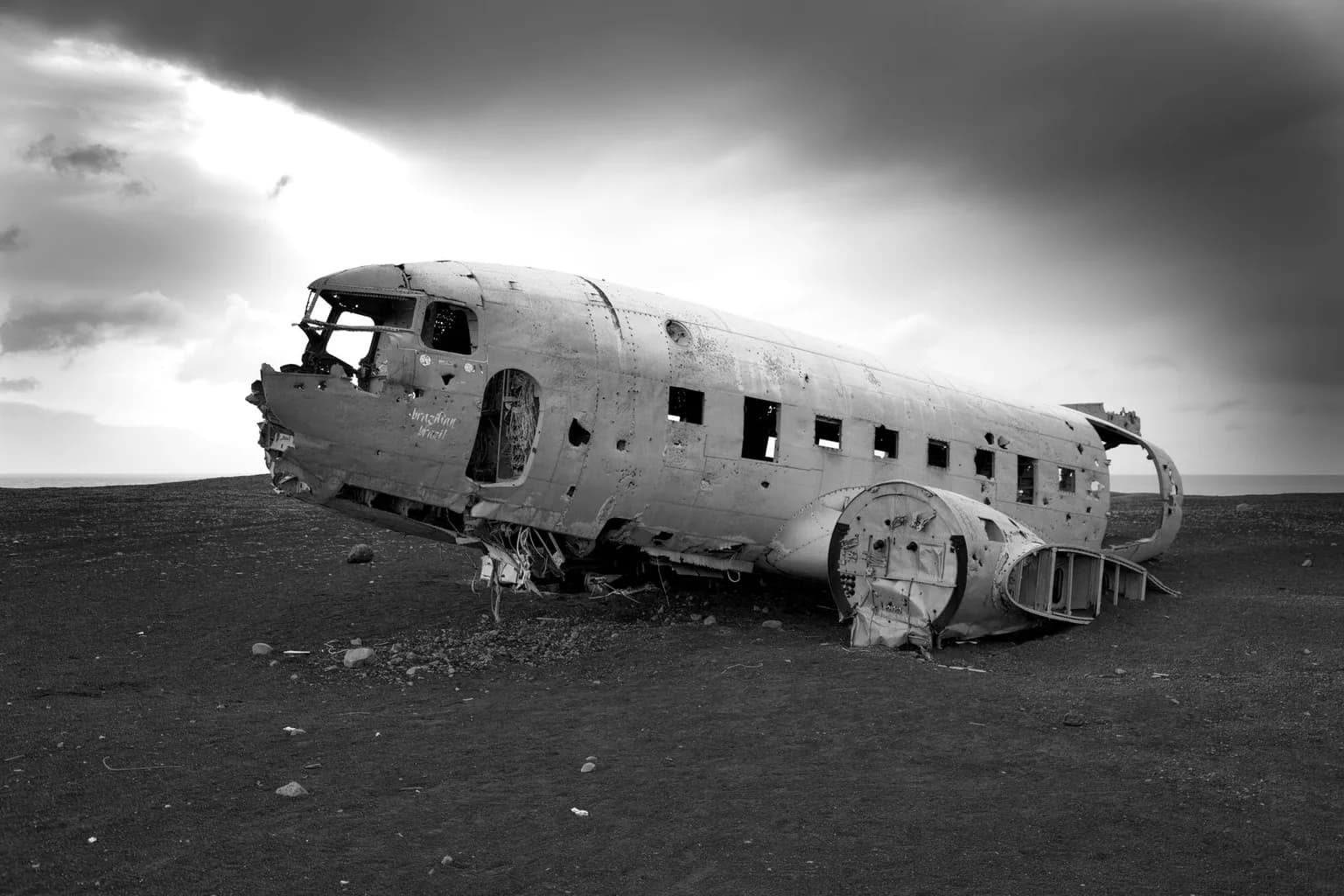
The aircraft disintegrated in flight. Its wreckage was recovered from the Mediterranean between 1987 and 1988, at a depth of 3,500 meters.
Officials initially blamed mechanical failure, a finding that contributed to the demise of the already struggling Itavia carrier. Italian analysis later ruled out structural collapse and a bomb inside the aircraft.
The prevailing theory among investigators is that the DC-9 entered an aerial dogfight and was mistakenly shot down by a fighter jet.
A former Italian president claimed that a French fighter jet had brought down the aircraft by mistake. Giuliano Amato, who served as Italian prime minister in 1992-1993 and 2000-2001, revived the possibility that France and the United States had mistakenly shot down the plane during tensions with Libya. In an interview with La Repubblica, he said: “France must speak out and say what it knows”.
Cossiga acknowledged in 2008 the responsibility of the French aircraft tracking the Libyan MiG. Historians have said that signs of a cover-up emerged over time, while tracking data and radar scans were withheld during earlier investigations.
Judicial inquiries resumed years after the crash, following pressure from victims’ families and after an investigative journalist convinced investigators that the aircraft had been shot down.
Walter Verini, a Democratic Party senator, was informed on 27 June that France would cooperate. Italian Prime Minister Meloni told Verini and Bonfietti on 27 June 2026 that France had agreed to assist the investigation.
France has decided to share defence documents with the Italian judiciary, and President Emmanuel Macron has agreed to provide certain records sought by Italian judges. The material France will provide, and whether it will resolve the central questions of the crash, remain to be seen.
On Wednesday, prosecutors abandoned plans to shelve the latest inquiry after learning that France would hand over the documents. The Rome Public Prosecutor’s Office then withdrew its request to close the Ustica investigation.
Known in Italy as the “strage di Ustica”, the case has been described as “one of the most sensitive files in relations between France and Italy”. France’s decision opens the possibility that investigators may obtain records long restricted by military secrecy, as the families continue to seek an account of how their relatives died.




Comments (0)