
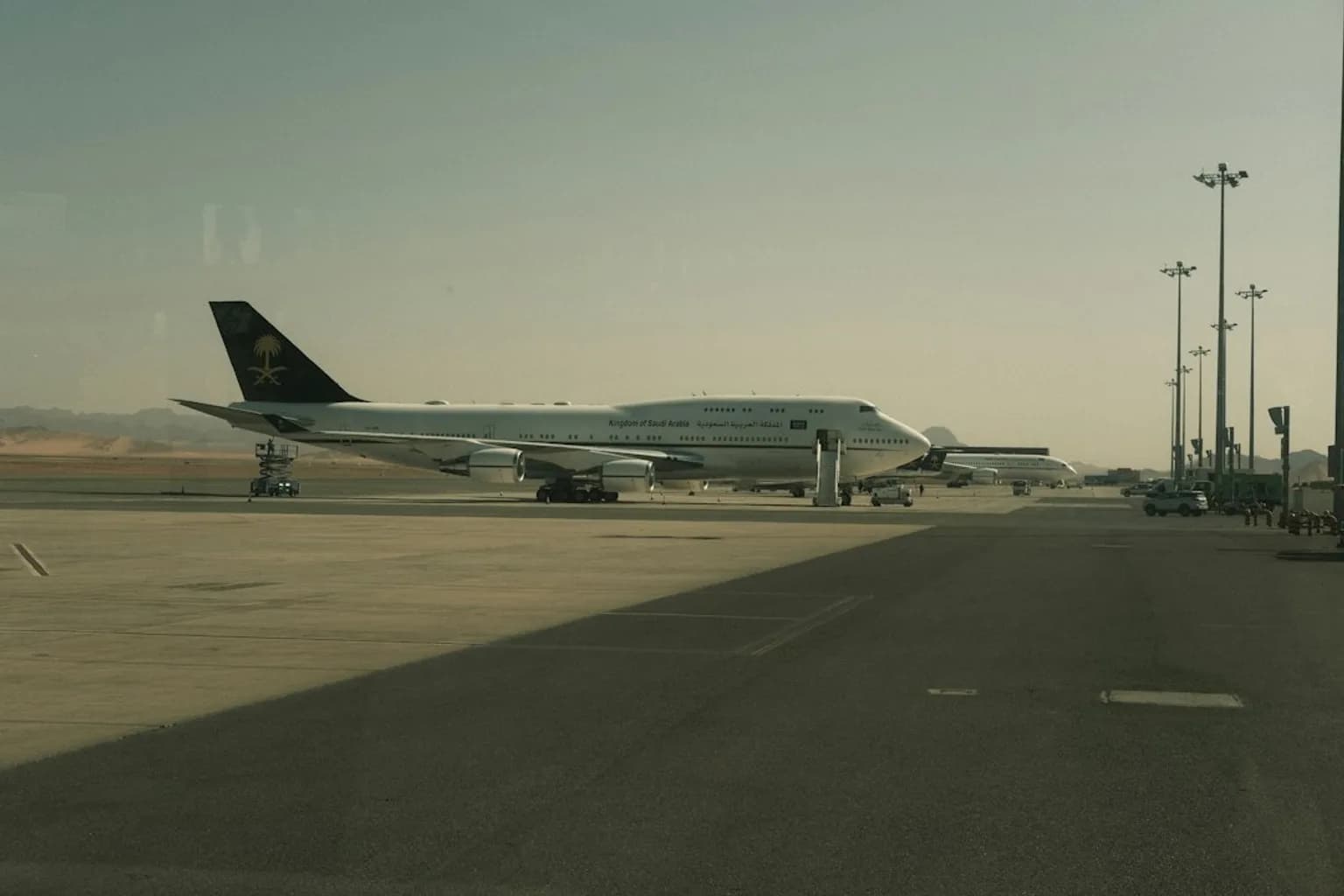
For roughly four years, large-scale fighting involving Yemen’s Houthi movement had receded, easing fears of attacks on Saudi infrastructure. In early October 2026, the movement launched coordinated attacks on King Khalid International Airport in Riyadh and other Saudi facilities with ballistic missiles, cruise missiles and drones.
At least three people were killed in attacks on Riyadh and Abha airports.
A projectile then landed close to the runway at a Saudi airport shortly before a flight from Cairo was due to arrive. The aircraft diverted from the immediate danger and landed safely.
In the first week of October 2026, Air India, Lufthansa Group carriers, FlyDubai and Pakistan International Airlines temporarily suspended services to Riyadh and some other Saudi airports.
The episode has brought commercial aviation into the immediate reach of a conflict that had appeared less acute during the preceding lull. The number of passengers affected by the attacks, and the cost to airlines of the suspensions, remain unknown.
The disruption extends beyond Saudi Arabia. A 2024 safety and economics report by the International Air Transport Association recorded recurring closures in and around Israel, Iran, Iraq, Jordan and Lebanon as conflicts flared. Coordinated closures have also occurred during exchanges of fire between Iran and Israel across multiple flight information regions.
For US civil operators, the United States Federal Aviation Administration restricts access to the Sanaa Flight Information Region over Yemen. The agency cites anti-aircraft weapons, militant activity and missile launches that could threaten aircraft up to at least 25,000 feet.
Closing airspace does not necessarily end a journey. It often moves it elsewhere. Industry estimates put the cost of each additional hour flown by a widebody aircraft at tens of thousands of dollars in fuel, crew and maintenance. Analysis by airspace disruption trackers and academic researchers has identified temporary shutdowns of overflight rights arising from bilateral disputes between countries since 2023.
For travellers, the result is increasingly visible in the timetable: more frequent schedule changes and last-minute aircraft swaps as airlines respond to changing notices to air missions from regulators. The precise routes most affected, and the broader financial toll on the industry, are still unclear.





Comments (0)