
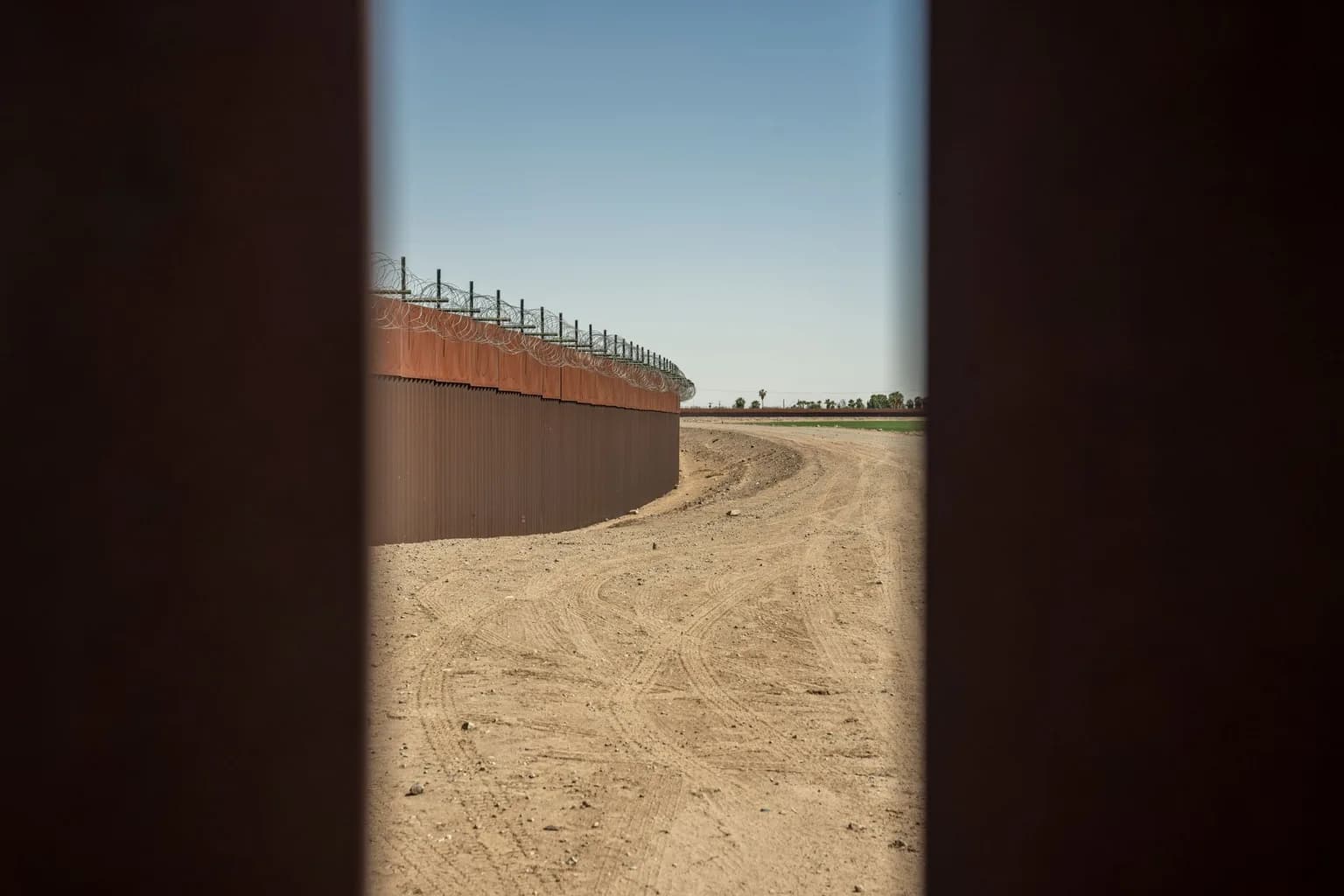
West of Al-Asha village in southern Quneitra, Israeli military vehicles and bulldozers have been digging near the separation line with the Israeli-occupied Golan Heights, extending a route through rural areas from northern to southern Quneitra. Israeli forces restarted excavation there on October 4 as part of the Sufa 53 project.
The works form part of a defensive line that Israel began in mid-2022 near Hadr in northern Quneitra. Israel says the fortifications are intended to prevent possible attacks by Iran-backed armed groups.
The project has since expanded south through nearby areas. Syrian accounts say Israeli troops have moved between 300 and 1,000 meters into Syrian territory in some locations.
At the construction sites, the line includes a military road roughly eight meters wide, deep trenches, earth berms reaching about five meters in height, observation posts and military positions.
Construction continued after the fall of Bashar al-Assad's government in December 2024 and intensified as Israeli forces expanded their presence in the separation area in southern Syria. The renewed work on October 4 brought immediate condemnation from Syria and Turkey.
Syria's Foreign Ministry called the excavation a 'flagrant breach' of the 1974 disengagement agreement. It said continued Israeli incursions and military activity threatened regional security and stability and undermined international law.
Turkey described the resumption of work as an attempt to create 'faits accomplis' in Syria and said it would support Syria's sovereignty.
For communities along the route, the effects have extended beyond the military positions. Local authorities estimated that around 12,000 dunams (1,200 hectares) of land in northern and central Quneitra had been affected by Israeli construction. Around 6,000 dunams (600 hectares) belonging to Al-Hamidiyah and Al-Hurriyah were taken over for the project.
In Jubata al-Khashab, Mohammad Mazen Maryoud, the town's mayor, said around 7,000 dunams (700 hectares) had been lost. He said the trenches had disrupted rainwater flows and contributed to soil erosion, directly affecting farming and livestock.
Residents have also reported damage to grazing land, trees and wild vegetation that had provided an important source of income for families.
On September 23, 2026, Syrian President Ahmed al-Sharaa said the Golan Heights territory 'will remain Syrian' and accused Israel of seeking to impose a 'fait accompli' through military expansion. He said Israel had carried out over 1,200 land incursions, more than 500 air and artillery strikes, and nearly 300 detentions since the fall of Bashar al-Assad's government in December 2024. Al-Sharaa called for Israeli forces to withdraw to the lines held on December 8, 2024.
The dispute turns on whether Sufa 53 remains a security measure, as Israel says, or establishes a deeper military presence in territory claimed by Syria. Its eventual extent, completion timetable and longer-term purpose remain unclear.





Comments (0)