
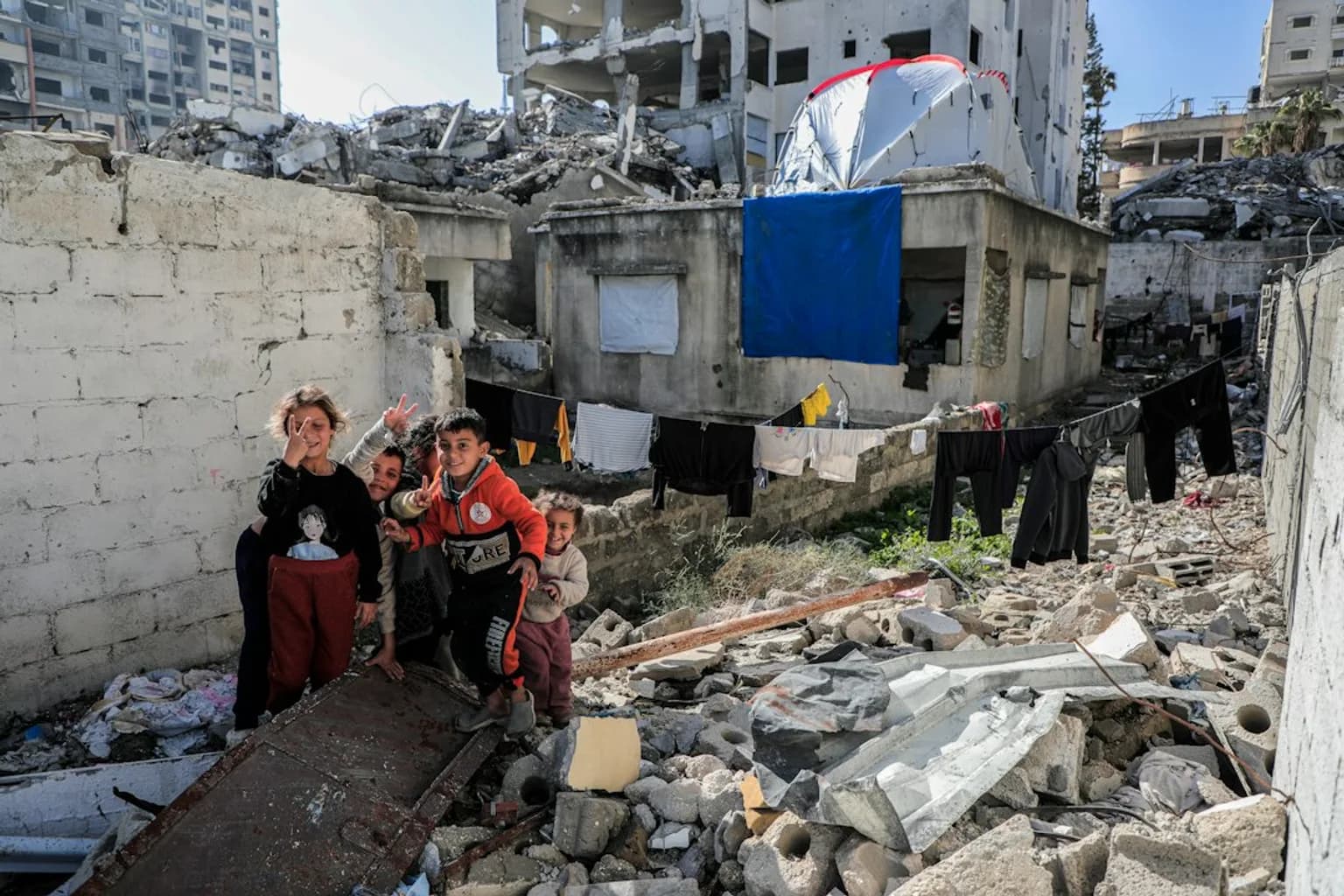
Gaza's vast fields of rubble have become a second battlefield over what can still be recovered from the war. A visual investigation by CBC News, using satellite imagery, found that the Israeli Defense Forces (IDF) have removed rubble from sites in Gaza that it bombed. Multiple destroyed areas in formerly populated parts of the territory are being cleared for new Israeli military outposts.
Experts and human rights advocates say the work risks destroying evidence of alleged war crimes. It may also prevent families from recovering relatives who remain beneath collapsed buildings. Palestinian authorities estimate that more than 10,000 people are still buried under the debris.
The International Court of Justice ordered Israel in 2024 to take measures to preserve evidence of alleged violations of the UN Genocide Convention in Gaza. The court's order provides a legal backdrop to the current concerns, though it remains unknown whether evidence from particular sites has been destroyed or remains recoverable.
In August, the Israeli military carried out a large operation to crush, mix and transport millions of tonnes of rubble from numerous sites. The material included rubble from cemeteries and other known locations of human remains. The precise point at which the wider clearance operations began is unclear.
The IDF said it removes structures and dismantles infrastructure in Gaza “based on tactical necessity” and to “reduce the level of risk posed” to its troops. It rejected accusations that it fails to preserve evidence or recover remains, saying it “treats every body found in the area with respect and seriousness”.
Families interviewed by CBC News said no one had contacted them about recovering bodies before or after the IDF removed rubble from their homes. Their accounts raise questions about whether relatives and Palestinian authorities were consulted before particular clearance operations, an issue for which the available information does not establish the extent of coordination.
On 7 September 2026, Francesca Albanese, the UN Special Rapporteur on the situation of human rights in the Palestinian territory occupied since 1967, warned that large-scale rubble removal in areas under Israeli military control could erase traces of atrocity crimes. “Gaza's rubble contains human remains and physical evidence relevant to the investigation of alleged international crimes, including genocide,” she said.
Ajith Sunghay, head of the Office of the United Nations High Commissioner for Human Rights in the Occupied Palestinian Territory, said: “It is Israel's obligation under international law to do everything possible to ensure these remains are found, identified and buried with dignity.” UN officials have raised concerns in recent weeks about the handling of rubble and bodies that may remain beneath it.
Volcker Turk, the United Nations' human rights chief, also criticised the clearance work. Areas where the Israeli military remains deployed, he said, “continue to be levelled by bulldozers with no respect for the dead under the rubble”.
The scale of the task is considerable. The United Nations estimates that Israel's assault on Gaza has produced around 61 million tons of wreckage and debris, and that clearing it could take seven years. Palestinian Civil Defence says it has recovered more than 630 bodies and human remains from beneath destroyed buildings across Gaza since November 2025.
Raed al-Dahshan, head of Gaza's civil defence service, told Al Jazeera that appropriate equipment could allow recovery of remains from the rubble in about 90 days. Without it, he said, the work could take years.
The conflict began with Hamas-led attacks on October 7, 2023. The competing accounts of rubble clearance now centre on its purpose and consequences: the IDF says the operations are required for military safety, while UN experts, civil defence workers and families warn that the removal of debris may put human remains and potential evidence beyond recovery.





Comments (0)