
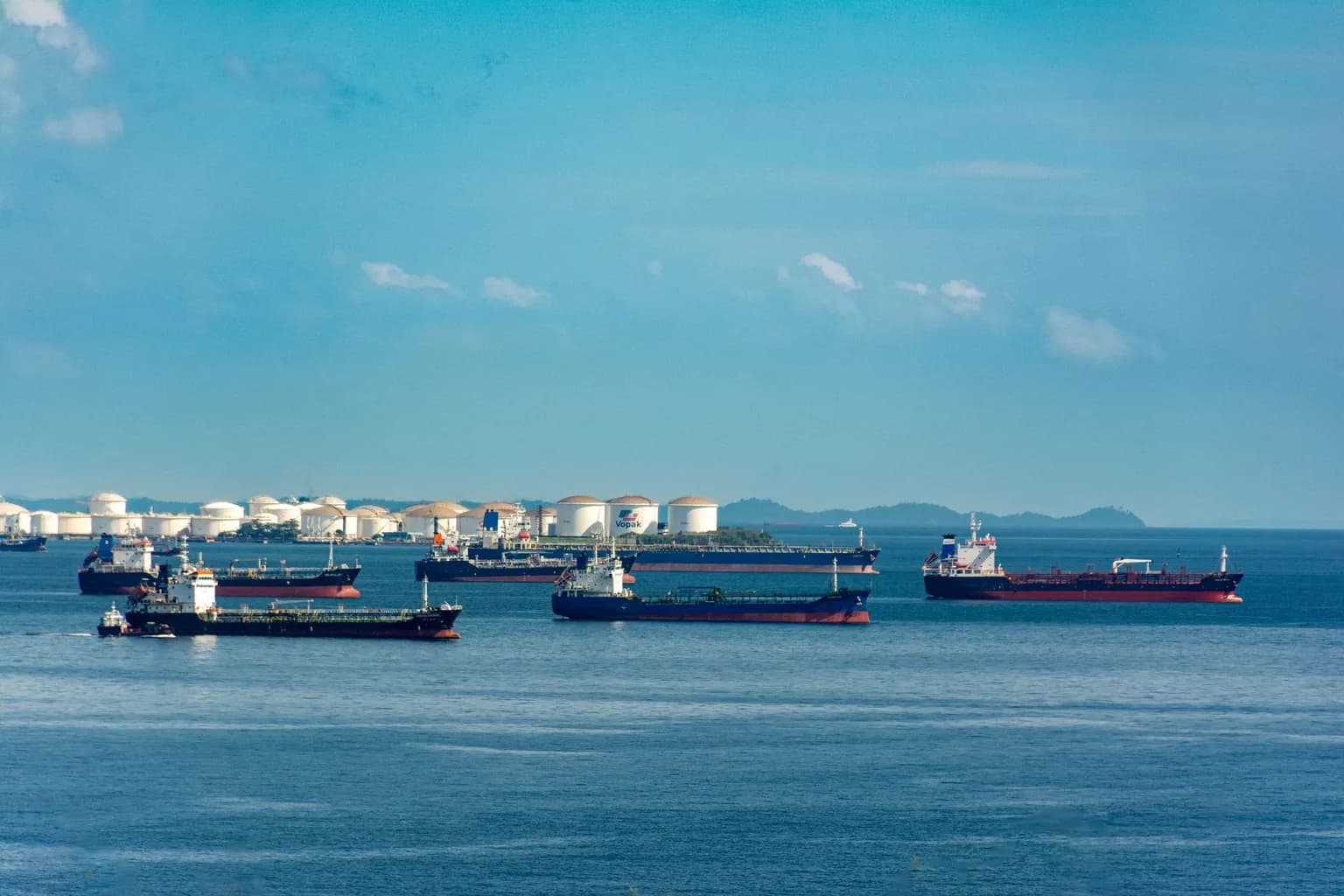
Japan has turned to Russia’s oil-shipping network in its latest sanctions package, targeting 35 vessels that Tokyo says are part of a so-called shadow fleet used to carry crude oil and evade existing restrictions.
The Japanese government announced the measures on October 2, 2026, in response to Russia’s invasion of Ukraine. It is the first time Japan has imposed sanctions on vessels, extending its economic campaign beyond earlier measures against Russian individuals and organisations.
The 35 designated vessels include cargo ships and tankers. They are believed to carry Russian crude oil to countries including China and India, providing Moscow with a major source of revenue.
Japan will restrict a range of services for the vessels, including insurance, maritime transport, crew employment and dispatch, and repairs. The measures are intended to make it harder for the ships to operate and to reduce the revenue Russia can obtain from crude oil exports to fund its war in Ukraine.
The announcement from the Foreign Ministry in Tokyo also included restrictions on payments and transactions involving 33 entities and 9 individuals associated with Russia. Japan also banned exports to four entities in Turkey and the United Arab Emirates, describing the move as an effort to counter sanctions evasion through third countries.
An additional 102 goods have been added to Japan’s export restrictions on Russia.
Russia launched its full-scale invasion of Ukraine in February 2022. Japan has since imposed economic sanctions alongside the other members of the Group of Seven, including measures that froze the assets of Russian President Vladimir Putin and other individuals.
The vessel designations bring Japan closer to the approach taken by European countries, which have been taking a tougher stance towards Russia. By focusing on services needed for oil shipments, the measures seek to limit the operation of vessels moving Russian crude through global shipping networks.
Ukraine’s President Volodymyr Zelenskyy welcomed the announcement. In a social media post, he said the people and companies targeted by the sanctions posed a “common threat” to European and Pacific countries.
The new measures come amid continued tension between Tokyo and Moscow. In August, Putin visited one of the Russian-held islands claimed by Japan off Hokkaido for the first time as president.
At an event in Moscow, Putin later said he was interested in pursuing “mutually beneficial” relations between Japan and Russia once the current difficulties between the two sides had been overcome. Japanese Chief Cabinet Secretary Minoru Kihara said on Friday morning that Tokyo had noted Putin’s remarks and that it is “important” for the countries to maintain communication.
Japan’s latest sanctions therefore combine added pressure on Russian oil revenue with a stated interest in keeping channels of communication open. The practical effect will depend on whether the restrictions on insurance, transport, crews and repairs constrain the 35 ships’ ability to continue carrying crude oil.





Comments (0)