
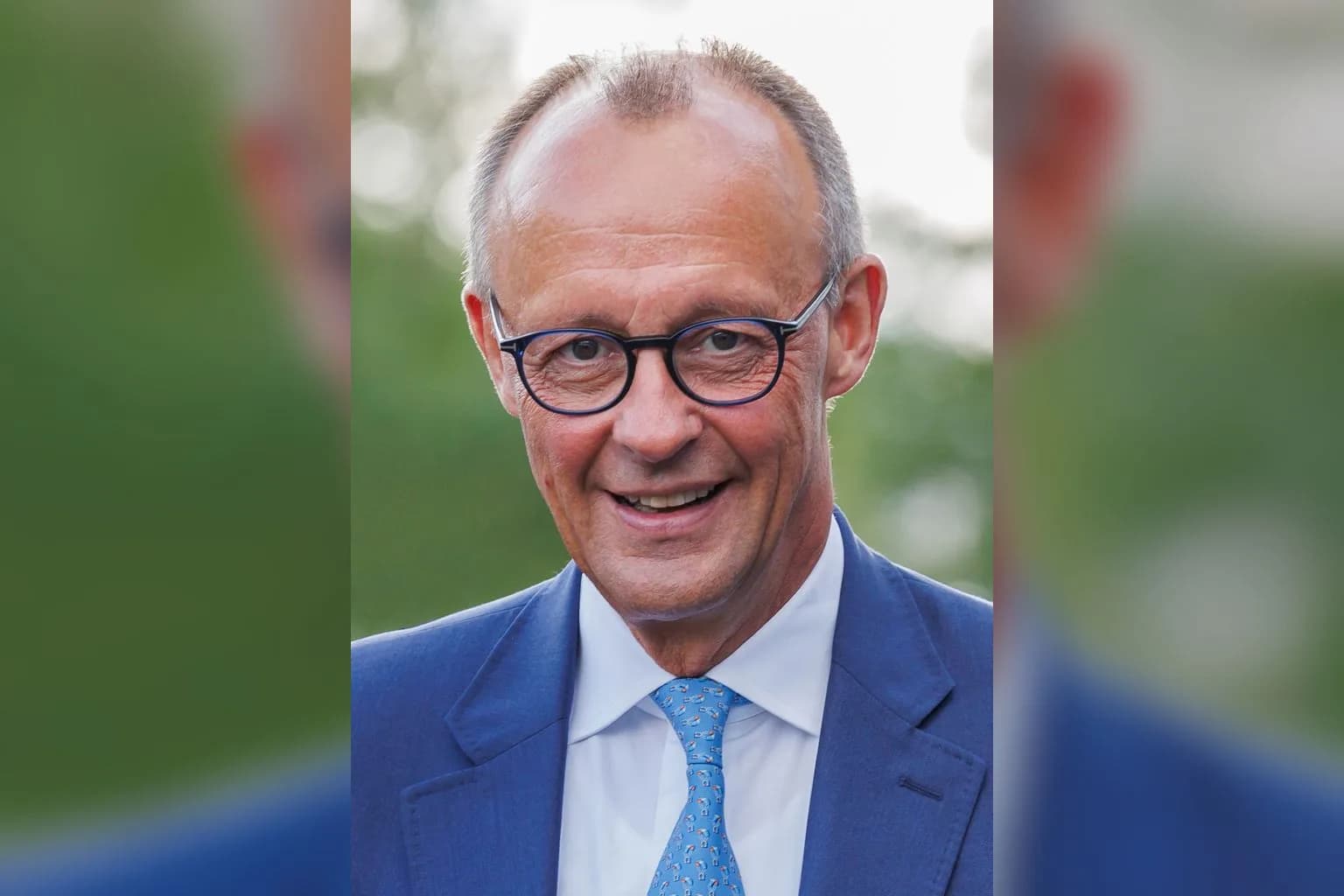
Friedrich Merz arrived by special train at a Kyiv railway station early on 4 October 2026, stepping into a capital under repeated drone and missile attack to promise deeper German involvement in Ukraine’s defence industry. Ukraine’s foreign minister, Andriy Sybiga, met the German chancellor off the train.
Merz’s unannounced visit came hours after Russia’s Foreign Ministry warned foreign diplomats and other visitors to avoid Kyiv, as well as military and government buildings. Shortly after his arrival, Kyiv Mayor Vitali Klitschko said a Russian attack had struck the Nordbrücke, or North Bridge.
“If Russia is not stopped, it will turn its war machine against us sooner or later,” Merz said on arrival. He said he had come because “Ukraine needs all our support in the coming weeks.”
The chancellor was accompanied by Economy Minister Katherina Reiche and ten business leaders from the defence and energy sectors. He planned talks with President Volodymyr Zelensky on military aid, energy repairs and joint weapons production.
Merz announced €1 billion in military aid for long-range weapons production and €350 million for repairs to Ukraine’s energy sector. He also set out plans for Ukraine and Germany to co-produce thousands of interceptor drones and long-range missiles with a range of over 1,000 kilometres.
The drones are intended to counter jet-powered combat drones used by the Russian military. The wider missile and drone programme is expected to improve Ukraine’s capacity to strike targets inside Russia.
“The people are about to face their fifth winter of war. Russia is bombing cities, residential buildings, and heating plants,” Merz said. Kyiv has faced waves of drone and missile attacks against infrastructure in recent weeks, including power plants needed for heating as winter approaches.
In the first eight months of 2026, an average of over 400 civilians were killed or injured each week in Ukraine, a 55 per cent increase on the same period in 2025. The United Nations High Commissioner for Human Rights documented 15,280 civilians killed or injured over that period.
Sybiga said the talks would cover “all matters of our bilateral, European, and international agenda”. In a post on X, he said: “Ukraine and Germany have built a strong strategic partnership, and we are determined to deepen it further.”
Merz said he would tell Zelensky: “You can continue to count on our help.” He said Russia understood only the “language of strength” and must be brought to the negotiating table by that means.
The visit followed an effort to reopen contact with Moscow. German Foreign Minister Johann Wadephul met his Russian counterpart, Sergey Lavrov, in New York a few days earlier, the first such contact in years. Lavrov dismissed the encounter, saying it had yielded nothing new.
This was the fourth visit to Kyiv by a German chancellor since Russia’s invasion of Ukraine in February 2022. Merz previously visited Kyiv in May of the previous year, four days after his inauguration as chancellor, alongside French President Emmanuel Macron, British Prime Minister Keir Starmer and Polish Prime Minister Donald Tusk.





Comments (0)