
On 25 September, Vladimir Putin announced proposed changes to Russia’s nuclear doctrine, including a provision that would treat aggression by a non-nuclear state backed by a nuclear power as a joint attack on Russia. The Russian president also proposed spelling out the possibility of nuclear use if Russia received reliable information about mass launches of air and space attack weapons against targets in the country.
Russia had warned that it would not hesitate to use nuclear weapons if its territory came under threat.
NATO nevertheless went ahead with Steadfast Noon, its annual nuclear exercise, from 13 to 23 October. Seventeen member countries took part in the drill, which Italy hosted and whose main activity was held near Italy, far from Russia.
The alliance has held the exercise at roughly the same time each October for over a decade. NATO said this year’s operation had been planned in advance and was unrelated to current international events or any particular country.
NATO told Moscow about the exercise beforehand and said it posed no threat to Russia or any other country. Nassima Barrows, NATO’s head of nuclear policy, made that case as tensions with Russia remained high during the drill.
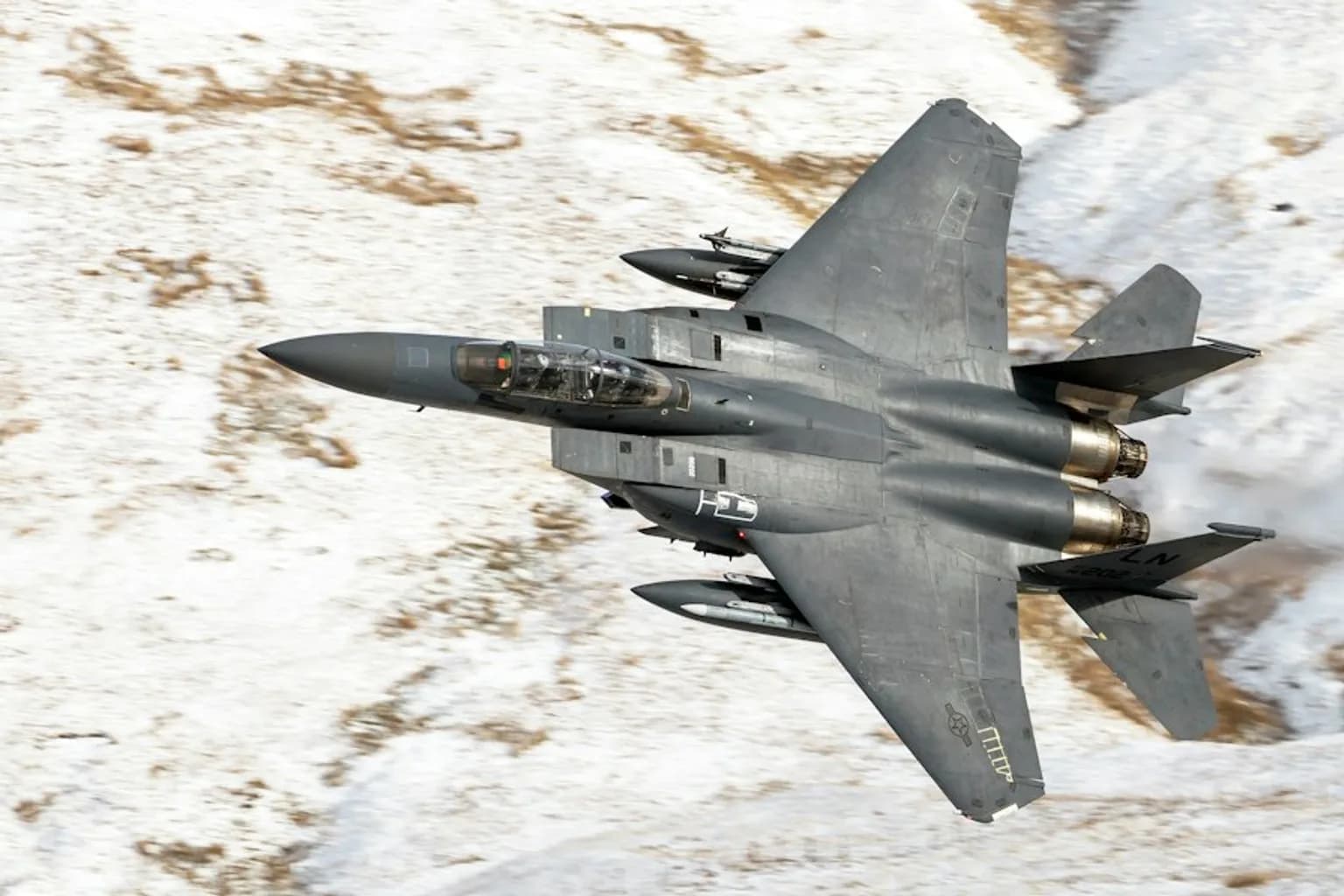
Dozens of aircraft, including bombers and fighter jets capable of carrying nuclear warheads, flew for the participating countries. No nuclear warheads or live munitions were used.
NATO officers and officials declined to identify the scenarios or equipment used to assess the nuclear readiness of the 32-nation alliance. Colonel David Bull, who heads NATO nuclear operations, said the exercise included “everything from simulating combat readiness to flights with live fire, but without live nuclear weapons”.
Bull said approximately the same number of countries took part as in previous years. This year also brought the debut of the Dutch F-35A as the first allied fighter declared ready to perform nuclear tasks.
Mark Rütte, NATO’s secretary general, described nuclear deterrence as “the cornerstone of the security of the allies” and said Steadfast Noon sent “a clear message to any adversary that NATO protects all allies”.
Nasima Barrouz, NATO’s director of nuclear policy, said the annual exercises were predictable and offered countries such as Russia no cause for concern. She said there was no reason for miscalculation.
Alongside the exercise, Joe Biden said the United States was ready to negotiate without preconditions with Russia, China and North Korea to reduce the nuclear threat. The US president described such talks as important because of the dangers of the modern world.
An unnamed senior NATO official said the alliance would continue trying to defuse the situation.





Comments (0)