
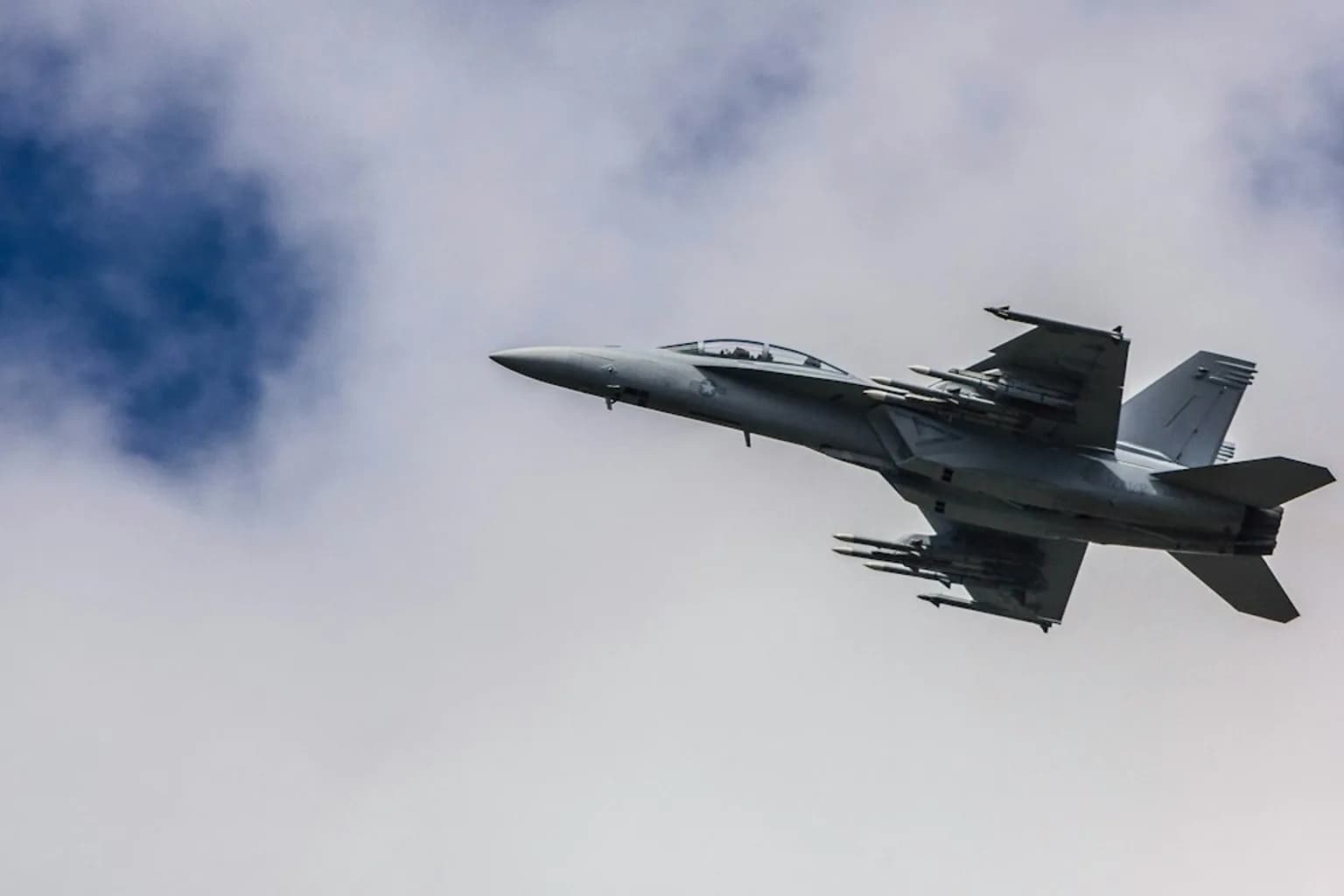
Poland will alter the procedures governing how its military aircraft and helicopters engage objects entering from the direction of Russia, allowing action to be authorised on radar identification alone, Deputy Defence Minister Cezary Tomczyk said on 28 September.
Under the existing peacetime procedure, Polish pilots must approach closely enough to identify an object visually before opening fire in Polish airspace. The planned system would instead use what officials call positive identification. A radar reading would be sufficient for a pilot or an operational commander to authorise the object being shot down.
Tomczyk said Poland had not previously used these options because they are generally reserved for a state of war or martial law. He cited the threat posed by possible drone entries into Polish territory every day, saying the changes were required for pilots and for state security.
The announcement follows a series of incidents near Poland's airspace as the war in Ukraine continues. On 23 September, a Russian Mi-8 military helicopter briefly entered Polish airspace near the country's northern border, according to Poland's Operational Command of the Armed Forces, known as DORSZ.
DORSZ said the helicopter had flown from the Russian exclave of Kaliningrad and crossed north of Braniewo at around 11:08 a.m. local time. It reached a maximum depth of around 300 meters inside Polish airspace and remained there for 42 seconds.
Poland also took precautionary measures on the morning of 16 September as Russia launched drones against Ukraine. Around 7:00 a.m. local time, military aircraft took off in response to the drone attacks. Operations at Lublin Airport and Rzeszow-Jasionka Airport were temporarily halted.
The procedural change would move Poland away from rules designed for peacetime interceptions, where visual confirmation forms the basis for firing decisions. It gives commanders and pilots a route to act on radar data when an object is approaching or has entered Polish airspace from Russian territory.
No date was given for the new procedures to take effect. The announcement also did not set out whether the rules would cover only Russian drones or extend to other unidentified aircraft. It gave no details of the radar systems that would be used for positive identification, any consultation with NATO allies, or a formal change in Poland's defence posture or threat level.




Comments (0)