
Russia’s ability to sustain production of drones and other weapons for use in Ukraine continues to depend on foreign components moving through intermediary networks, according to Ukrainian officials and reporting by The Wall Street Journal. Evidence presented by Ukraine points to supply chains that run through several jurisdictions and use shell companies, trade routes and falsified paperwork to obtain goods subject to restrictions.
On 10 September 2026, Vladyslav Vlasiuk, Ukraine’s sanctions policy commissioner, said Ukraine was logging every component recovered from the debris of Russian jet-powered Shahed drones, including serial numbers. The Shaheds examined by Ukrainian specialists each contained just under 100 foreign components, he said.
The parts included components from the US, China, Taiwan, Germany and Japan. Vlasiuk said Moscow had acquired them through complex networks of international intermediaries that supply Russian military production facilities.
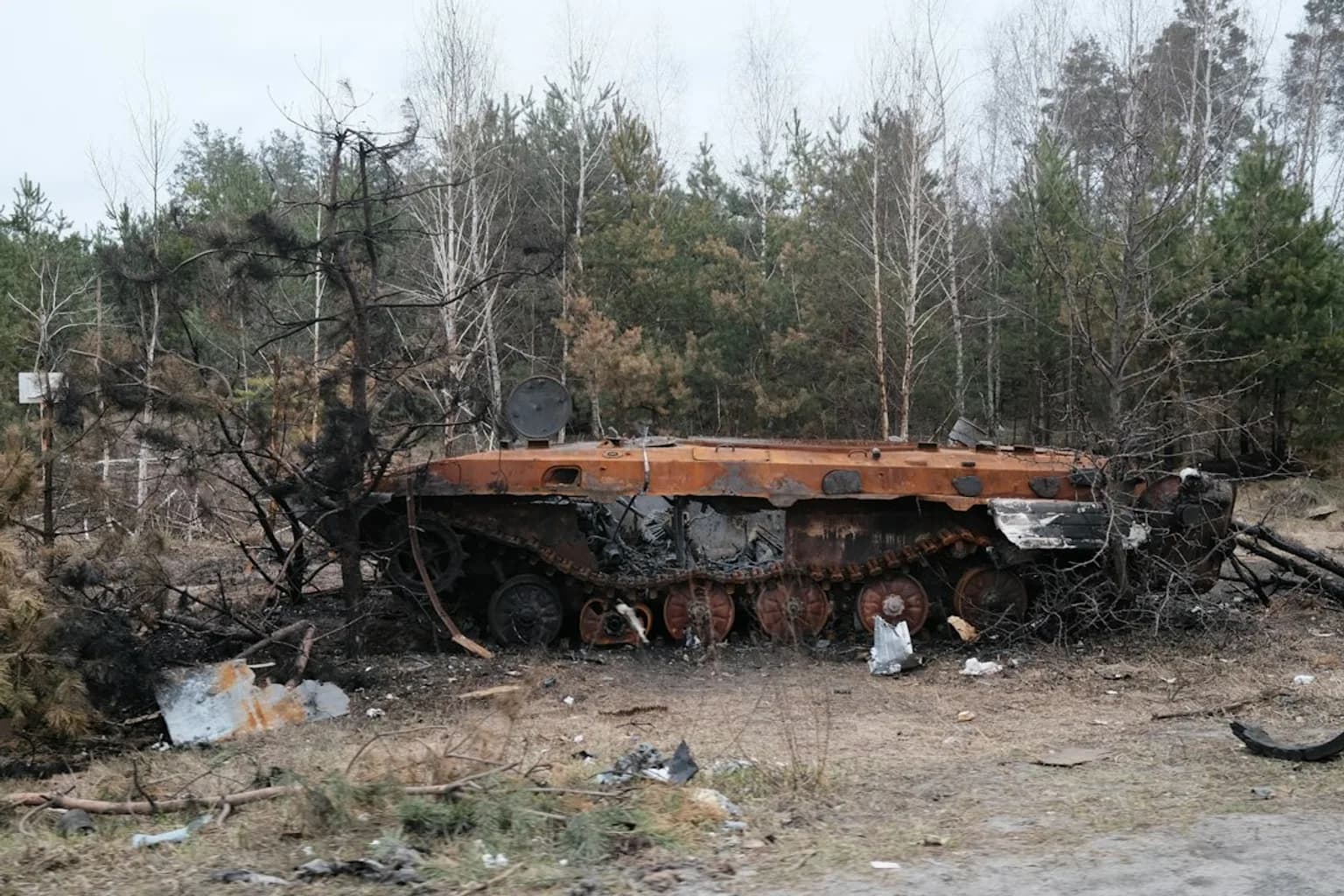
Ukrainian specialists examining wreckage recovered after the July 2 strike identified approximately 35,000 foreign-manufactured components within the weapons systems involved. The manufacturers identified in Russian weapons included Texas Instruments, Analog Devices, Intel, AMD, STMicroelectronics, Infineon, NXP, Murata, Bosch, Toshiba and Raspberry Pi, alongside various Chinese producers.
The presence of those products does not by itself establish how each item reached Russia or whether the original manufacturers knew of its final destination. Ukrainian officials say the serial-number records are intended to map the routes by which restricted technology reaches Russian weapons production.
The disclosures came during the Kyiv Sanctions Forum 2026, held on 10–11 September. The meeting brought together 60+ representatives from 22 countries and the EU to examine Russian sanctions circumvention in energy, finance, maritime logistics and supplies of technology for Russia’s military-industrial complex.
On 2 September, The Wall Street Journal reported that a network of companies operating in the Maldives was helping Russia evade sanctions. The newspaper said transactions involving hundreds of millions of dollars in restricted goods, or goods intended for sanctioned companies, had been carried out at one of the Maldives’ airports.
The airport’s cargo terminals were frequently filled with aviation electronics and other restricted goods, according to The Wall Street Journal. Trade data examined by the newspaper showed hundreds of shipments of sanctioned European components reaching Russia through procurement networks based mainly in China and Hong Kong.
One entity cited in the wider effort to channel goods and payments was A7, established in 2024 by Moldovan-Israeli oligarch Ilan Shor together with the sanctioned Russian Promsvyazbank PJSC. Western intelligence agencies say Shor oversees these activities under the direct command of the Russian presidential administration.
A7 developed an AI-powered system that automatically forged invoices and customs documents, according to the information presented by Ukrainian officials. In the first four months of 2025 alone, the company processed more than $500 million in prohibited transactions. More than $130 million of that amount went towards purchasing products for Russia’s defense industry.
The purchases included steelmaking equipment from China’s Xi’an Heavy Equipment, used in the production of shells and armor. A7 also obtained payments for Nvidia servers for AI development and video components for Walksnail drones.
Journalists identified at least 71 affiliated companies in the UAE, Bahrain, Nigeria, Qatar and Mongolia. The identified network illustrates how Russia has continued to restructure trade and financial routes, form new companies and rely on intermediaries in third countries.
The available evidence leaves significant gaps. The full scale of sanctions-evasion networks currently operating remains unclear, as does the number of entities involved beyond the 71 A7 affiliates identified by journalists. The complete supply routes for different categories of restricted components have yet to be established, and the information does not show which additional foreign companies may knowingly or unknowingly be supplying components through intermediaries.
For Ukraine, the task is to turn recovered debris into evidence that can support tighter export controls and enforcement. The focus at the forum was on the routes that remain open to Russian procurement, including the financial and logistics systems that allow foreign-made parts to reach its military industry.





Comments (0)