
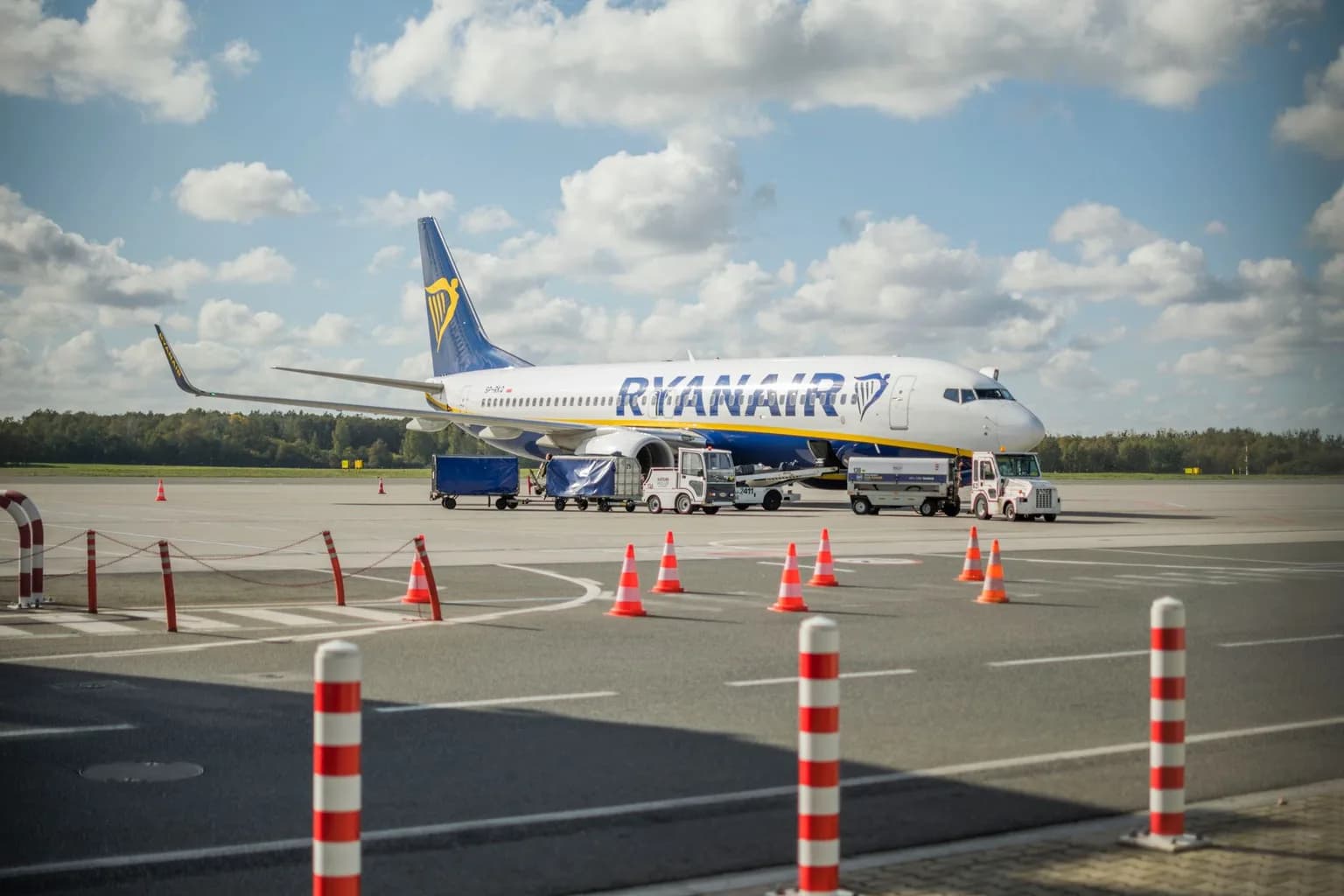
Sofia Westermark, commander of Sweden’s Air Defence Regiment, said the NATO logistics hub in Rzeszów faces threats from the ground and the air. Sweden, as a NATO ally, will contribute an air-defence system intended to protect the site from drones and missiles.
Sweden’s government has decided to send Patriot missiles and approximately 100 military personnel to Poland, where they will replace a Dutch air-defence mission at the hub. Prime Minister Ulf Kristersson announced the decision on Tuesday, and the Swedish Armed Forces said the mission is scheduled to begin on December 1.
Patriot is Sweden’s most advanced air-defence system. The ground-based system is designed to protect forces and critical areas against airborne threats, and this will be the first time Sweden has deployed the Patriot surface-to-air missile system on a NATO mission.
The weapons are to be positioned in Poland to help defend a military base against hostile missiles. The Air Defence Regiment will deploy approximately 100 personnel to protect the NATO logistics hub in Rzeszów, Poland.
The hub, near the Russian border, handles about 18,000 tons of equipment each month. It processes military and civilian assistance for Ukraine through NATO Security Assistance and Training for Ukraine, known as NSATU.
Swedish authorities assess that Russia could seek to disrupt operations at the site. Donald Tusk, Poland’s prime minister, has also warned of the risk of Russian attacks on NATO territory.
Westermark said the deployment was the most complex operation Sweden had undertaken as a NATO ally. She said the security environment and the mission’s complexity placed significant demands on the unit, which she described as well trained, well prepared and correctly composed for the task.
Sending part of Sweden’s air-defence capability abroad will affect the country’s military posture at home, Westermark said. She said Sweden could best defend NATO at present by carrying out the mission in Poland.
A crew from the Air Defence Regiment, also known as Lv 6, will operate the system with support from the Blekinge Air Wing, F 17. The force will operate under NATO command as part of NATO’s Integrated Air and Missile Defence.
Johan Pekkari, the chief of the Swedish Army, said Sweden and the alliance shared responsibility for protecting NATO territory. He said the deployment would strengthen NATO’s eastern flank while helping to protect the support effort for Ukraine.
Pål Jonsson, Sweden’s defence minister, said Sweden must prepare for a security situation that could worsen over a longer period.
Sweden will take over responsibility from the Netherlands on December 1. The Air Defence Regiment has been tasked with the mission from the beginning of December until the end of the year, while planning to be able to continue through the first half of 2027.
The operation could last up to seven months, depending on decisions by the country’s next government. Its precise end date remains undecided.



Comments (0)