

Steve Witkoff, the US Special Envoy, and Jared Kushner, President Donald Trump’s son-in-law, spent eight hours in Miami on Friday meeting Ukrainian negotiators. The envoys warned that Washington could restrict intelligence sharing if Kyiv continued to strike Russian oil refineries.
The talks were intended to finalise security guarantees that the US, Europe and NATO would provide Ukraine in an agreement to end the war. Witkoff and Kushner also presented a postwar package covering reconstruction funding, the rebuilding of Ukraine’s military and ideas for managing war-related budget deficits.
One Ukrainian official said the envoys had threatened to cut Ukraine off from US intelligence if it ignored Trump’s requests. A US official denied that such a threat had been made, saying instead that Witkoff and Kushner had stressed that the US remained a strong partner supplying munitions and intelligence.
The dispute followed about six requests from Trump administration officials for Ukraine to stop attacking Russian refineries. The administration said the strikes were contributing to high gas prices for American consumers.
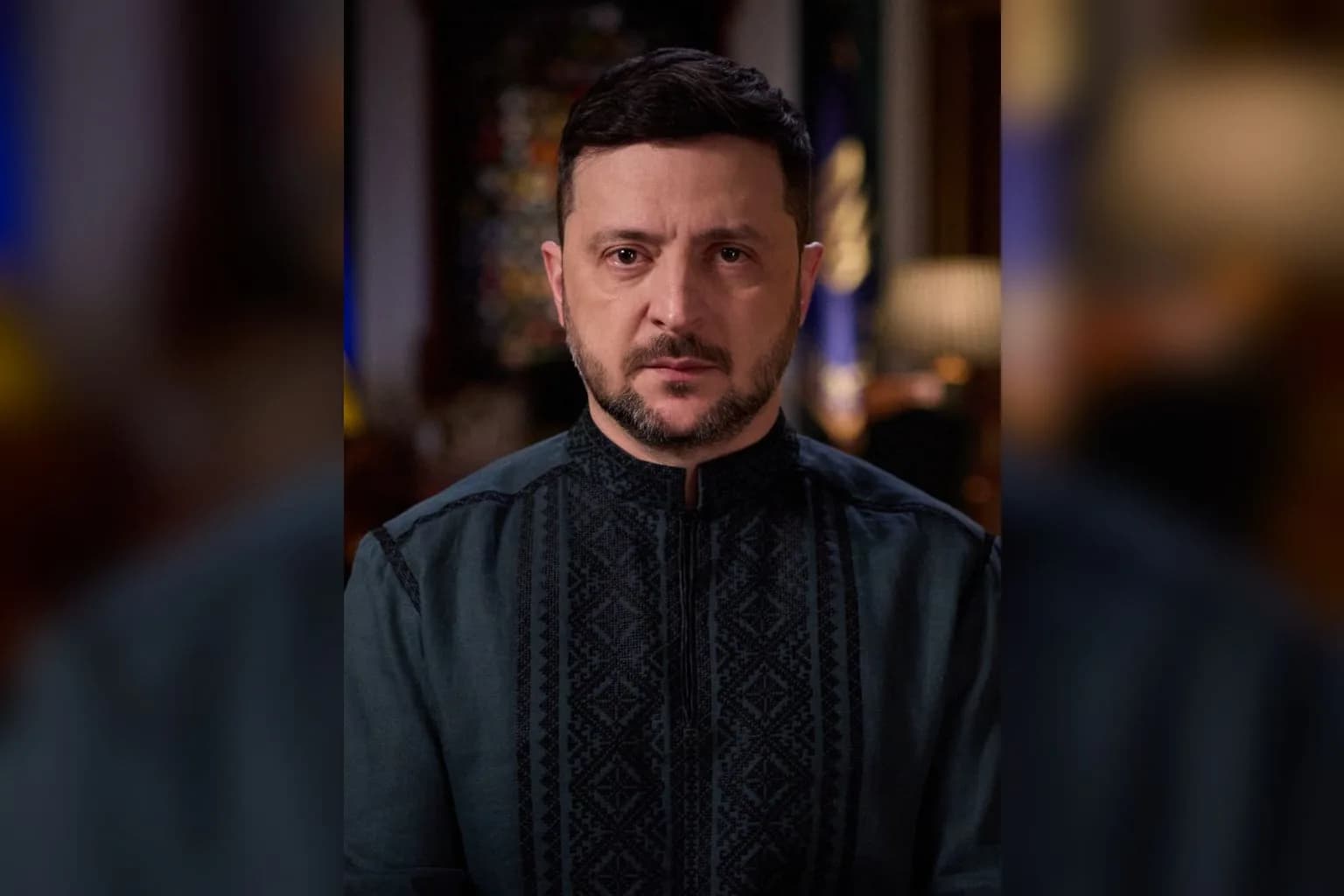
President Volodymyr Zelensky rejected a unilateral pause. He told Trump and his envoys that Ukraine would halt the refinery attacks if Russia stopped striking Ukrainian power plants, proposing an energy ceasefire applying to both sides.
Ukraine’s refinery campaign has been highly effective, causing an energy crisis in Russia and leading Moscow to ban diesel exports. Ukraine has also claimed to have struck a large refinery complex in Salavat, which its General Staff described as one of Russia’s largest oil refining and petrochemical facilities.
Trump did not regard Ukraine’s strikes on refineries as equivalent to Russian attacks on Ukraine’s power grid. During the Miami meeting, Witkoff and Kushner told the Ukrainian team that Trump was expected to speak with Putin and lift sanctions on Russian diesel exports.
The US Treasury Department subsequently allowed shipments of Russian diesel fuel, lifting sanctions until April 7, 2027. Zelensky said he had been blindsided by the arrangement, calling it “not fair and not honest” and an unwarranted gift to Putin.
A US official said Zelensky was misreading the political position he faced: “By continuing to hit refineries, he is eroding the good will that he has built with Trump over the last six months”.
Putin, however, declined to commit to renewed peace talks with Ukraine during a 90-minute call with Trump, according to his foreign policy adviser, Yuri Ushakov. Ushakov said Ukrainian strikes on Moscow and other Russian cities during parliamentary elections had “thwarted the possibility of an immediate resumption of the negotiation process”.
A US official said Washington still believed a settlement could be discussed: “Putin is hitting [Ukraine] hard but we think he is open to a discussion on ending the war. We want to work on a new proposal that will be good enough for him in order to get him to stop”.
Ukraine has indicated that the refinery strikes will continue unless the parties reach an agreement on an energy truce.



Comments (0)