
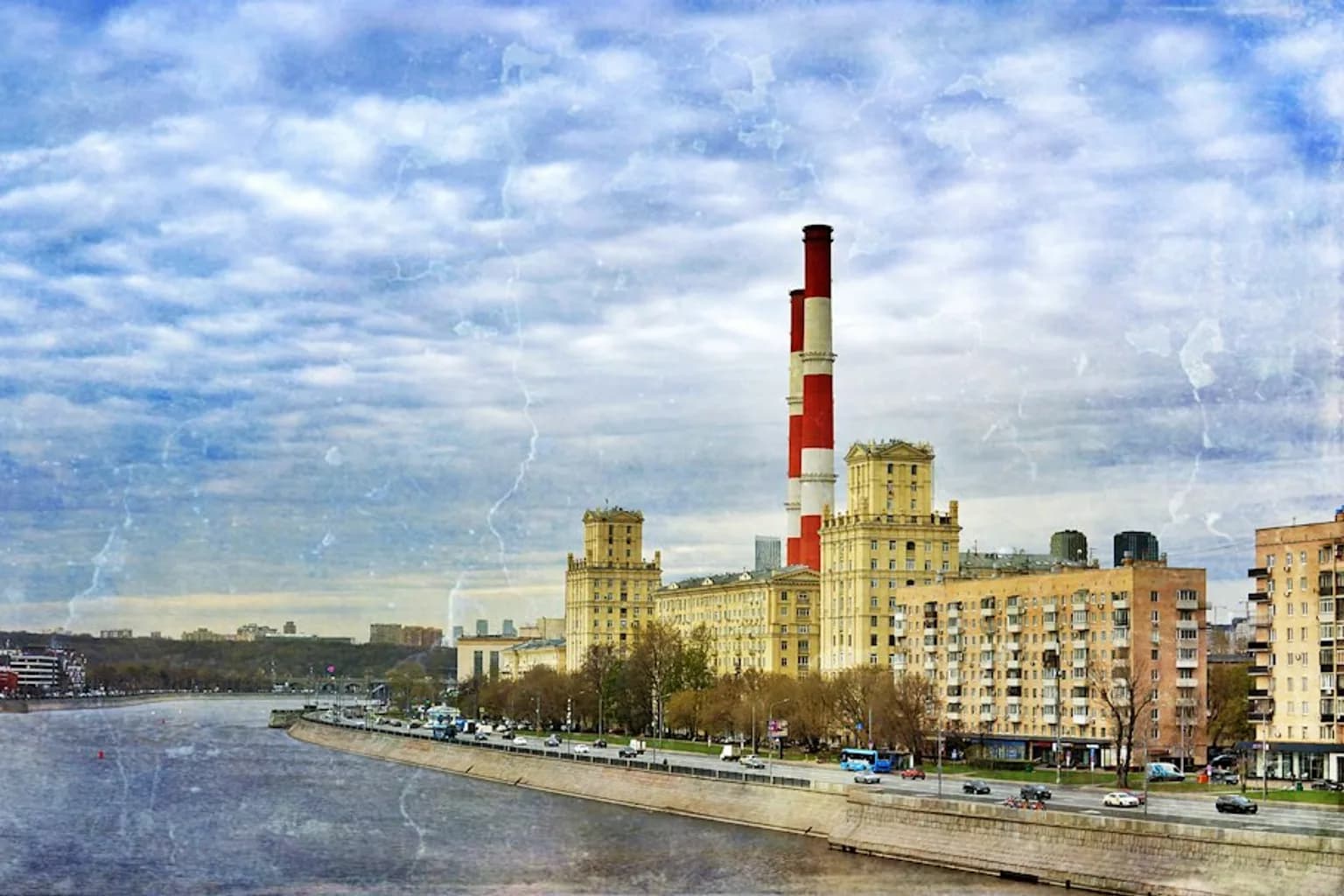
Motorists in Moscow and the surrounding region have reported waiting up to 40 hours at fuelling stations, as a damaged refinery that supplies much of the area’s fuel remains unable to resume operations for several weeks.
Ukrainian forces launched a large-scale drone attack on Moscow and Moscow Oblast on the night of 19-20 September, targeting Gazprom’s Moscow Oil Refinery. The plant, in Moscow’s Kapotnya district, supplies about 40% of Moscow’s fuel market and 70% of the Moscow region’s demand for petrol and aviation gas.
Both of the refinery’s crude oil distillation units caught fire after drones crashed onto the facility, forcing a halt to crude oil processing. Repairs could take several weeks before operations resume.
More than 450 drones were shot down during the attack. Moscow Mayor Sergei Sobyanin said on Sunday that an industrial facility at the refinery had been damaged, and called the assault “the most massive” the region had seen.
The disruption at the Moscow refinery has come amid fuel shortages reported across 92 per cent of Russia’s regions. Around two-thirds have introduced fuel-rationing measures. Huge queues have formed at fuelling stations in Moscow and the surrounding region, according to motorists.
Ukraine’s campaign against Russian refining infrastructure has steadily extended its reach. A report by the International Energy Association said all but five of Russia’s 32 major oil refineries have been hit by Ukrainian drone attacks since war broke out, with some facilities struck up to 15 times. The five refineries that have escaped attacks lie between 3,500km and 6,500km from the border, in eastern Siberia or the far east of the country.
The scale of the campaign has reduced output. By June, refinery throughput had fallen to its lowest level in more than 20 years, 30 per cent below a year earlier. Gasoline output has dropped by 20 per cent compared to 2024, while diesel production has fallen by nearly 30 per cent.
Ukraine’s military has said Russia’s total oil refining capacity is down by 45 per cent, according to a General Staff report released on Monday. Its drones have also struck targets far from the border: the 7 July attack hit Gazprom Neft’s 450 thousand barrels per day Omsk refinery, Russia’s largest, roughly 2,500 kilometres from the Ukrainian border.
Ukrainian attacks on refineries have led to rising oil and gas prices in Russia. The shutdown in Kapotnya now places further pressure on fuel supplies for Moscow and its surrounding region.





Comments (0)