
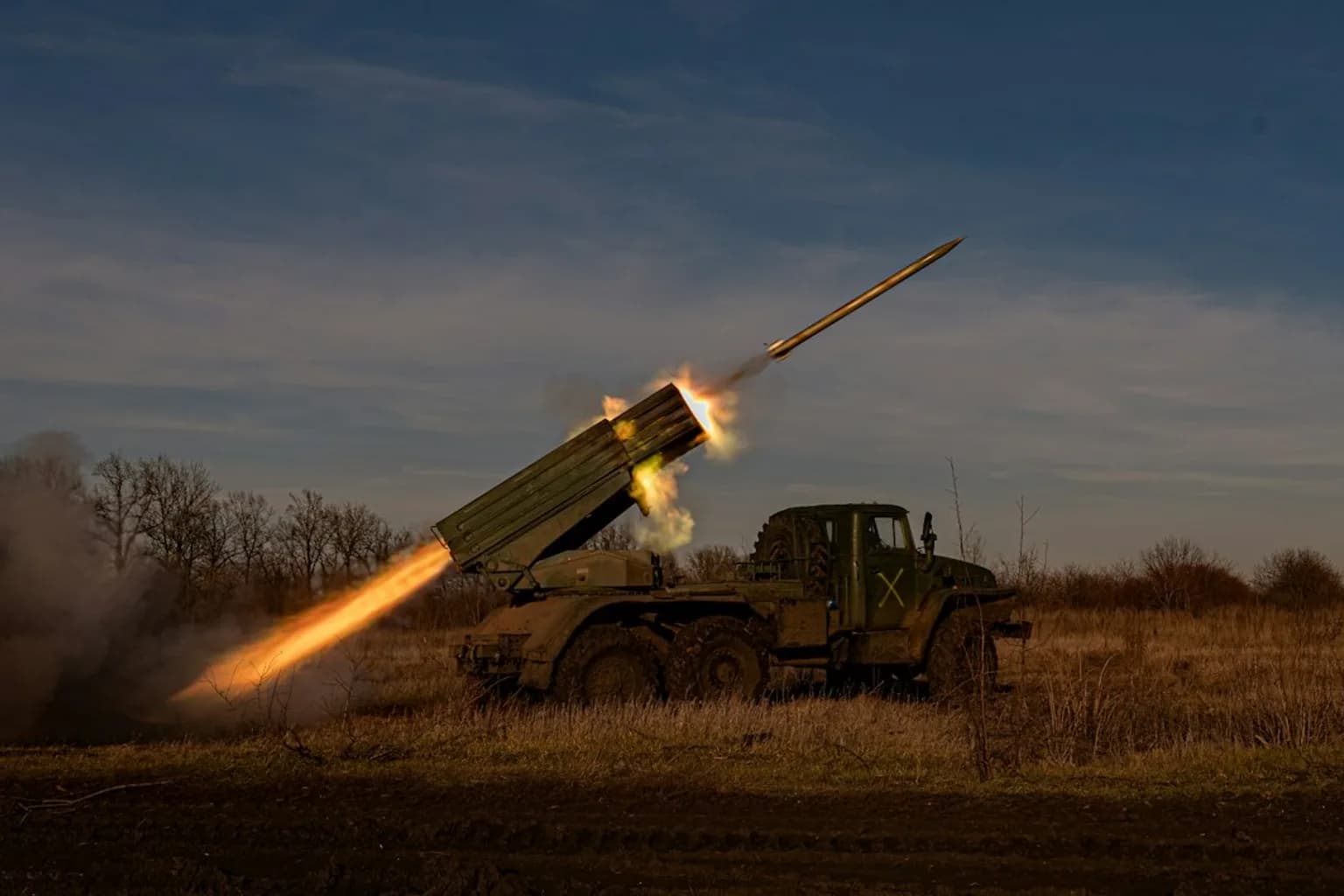
The United States has sent two additional Patriot missile batteries to Saudi Arabia and Qatar in recent weeks, seeking to protect oil and gas facilities from attack. The security of those sites carries consequences for global energy markets and for regional allies that rely on US military support.
The deployments came in September. One battery went to Saudi Arabia last month to defend a key oil facility, while another was sent to Qatar to protect a natural gas facility.
The move addresses a concern Saudi and Qatari leaders put directly to Trump in early August. They urged him against a massive attack that would include strikes on Iranian energy infrastructure, citing fears for the security of their own facilities.
Trump said on Thursday that he was considering renewing a bombing campaign in the coming weeks. “Now I have to make a decision: either Iran signs the deal, or it won't exist any longer.”
Saudi cooperation would be important if major combat operations resumed, because the US would need access to the country’s airspace. Riyadh would be unlikely to grant that permission if it concluded that its oil facilities lacked adequate protection.
The risks to Gulf energy sites have already been demonstrated. In early March, Iranian strikes hit parts of Ras Laffan in Qatar, the world’s single biggest LNG liquefaction site, forcing QatarEnergy to halt most operations.
On September 10, drone hits struck Saudi Arabia’s East-West onshore pipeline and damaged pumping stations. Saudi Arabia shut the pipeline for two weeks after the attacks.
On October 3, Yemen’s Ansurullah Coalition said it had targeted an Aramco facility in Riyadh with ballistic missiles and drones. A Reuters witness reported smoke and fire near an Aramco facility that day.
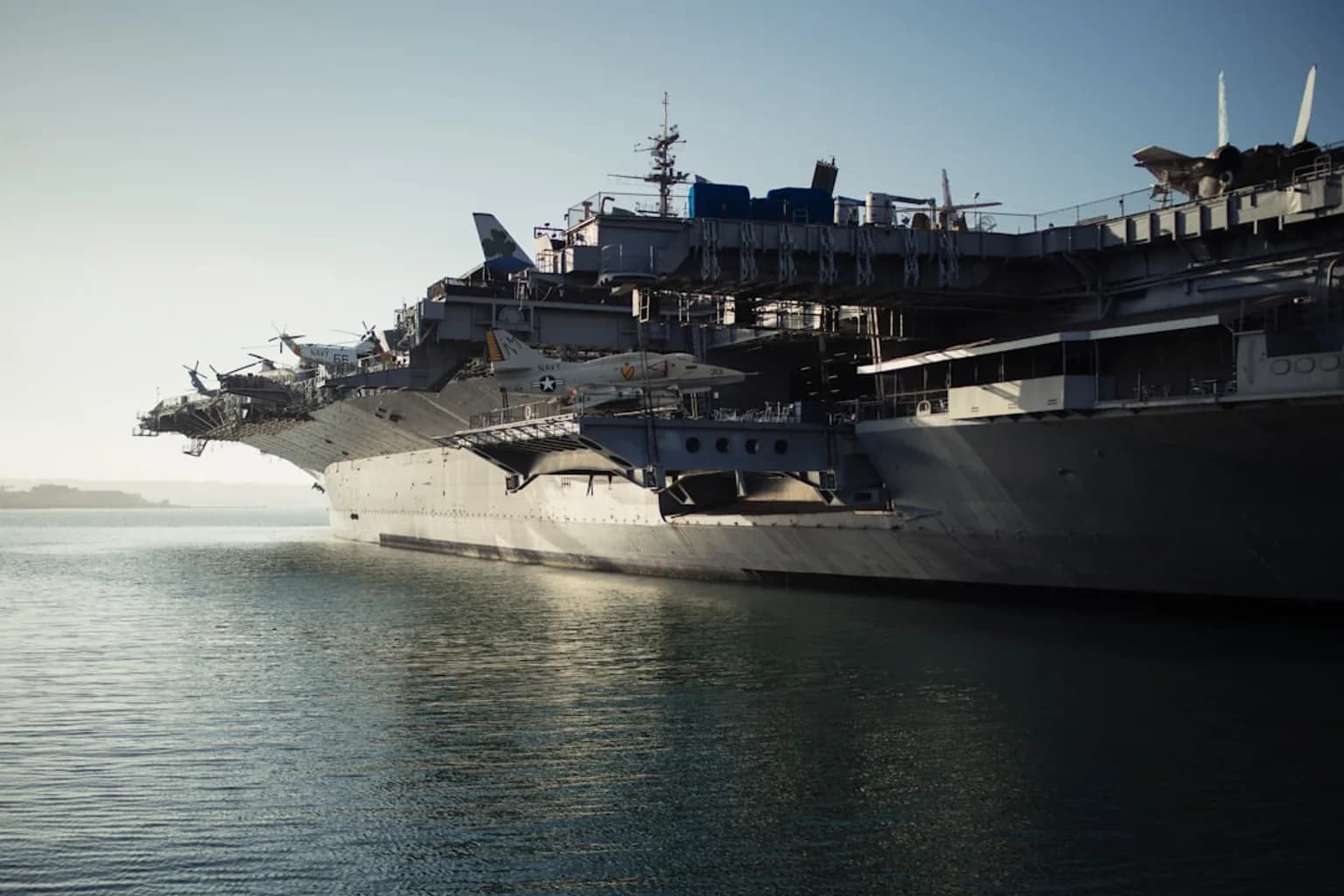
Washington is also adding forces to the region. The USS Theodore Roosevelt aircraft carrier and its strike group left San Diego on Sunday and are expected to reach the Middle East around mid-November.
The Makin Island Amphibious Ready Group left on Monday. Its three amphibious ships carry thousands of Marines from the 13th Marine Expeditionary Unit, and the group is expected to arrive in the Middle East by the end of November.
Patriot batteries, particularly their interceptors, have become highly sought-after since the war in Iran started. The US military has shifted batteries and interceptors to the Middle East from other regional commands, prompting concerns about readiness elsewhere in the world.



Comments (0)