
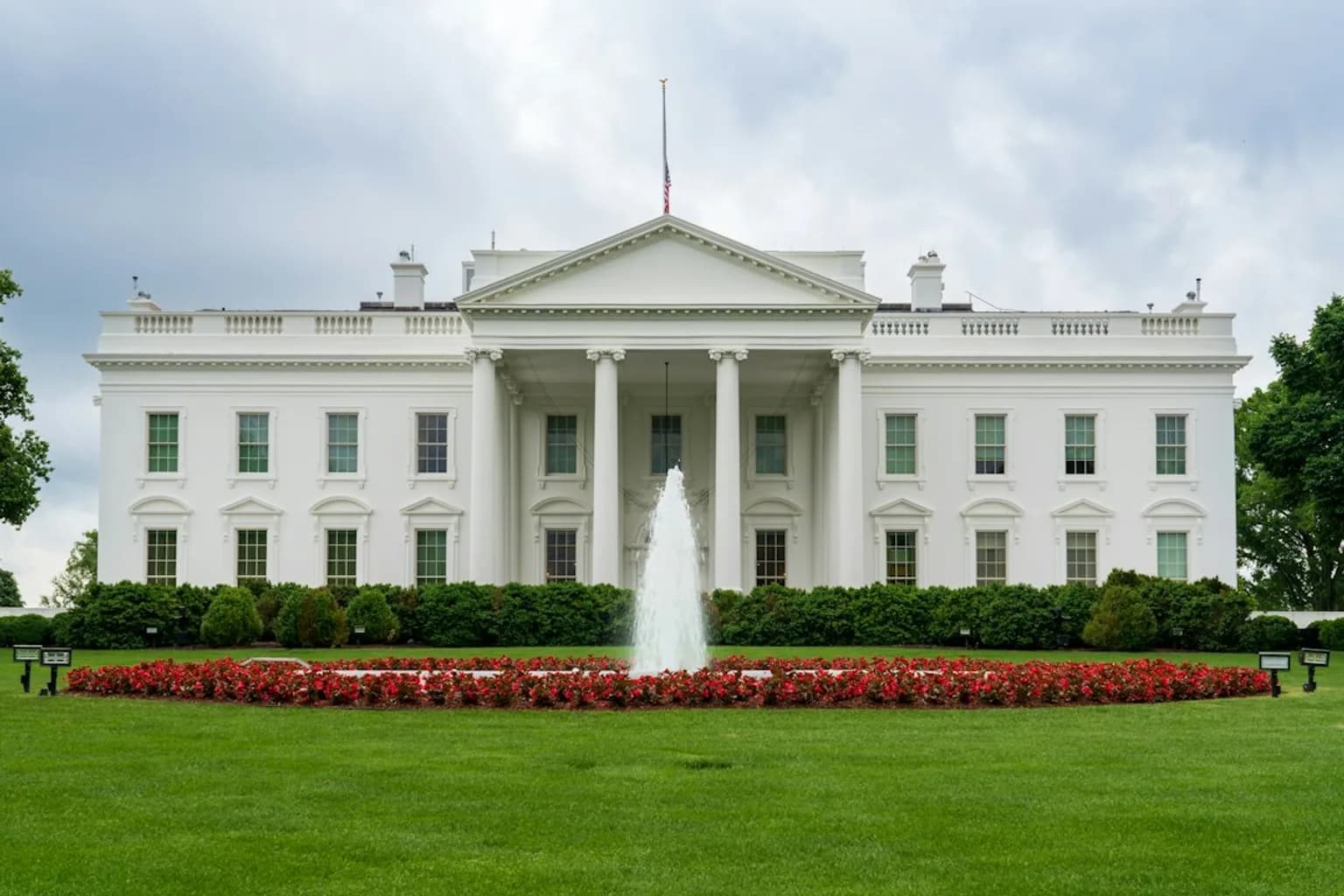
President Trump hosted Chinese President Xi Jinping at a White House state dinner on 24 September 2026, closing Xi's first visit to the White House in over a decade with public declarations of friendship and plans for further talks. The dinner was attended by the leaders' spouses and by scores of business and technology figures, underlining the place of commercial and technological ties in the visit.
Xi said the US-China relationship would be one of strategic stability founded on respect, fairness and reciprocity. He said the two presidents had agreed to give the relationship new substance, and called for a “new approach” through which China and the US could act as responsible global powers in a changing world.
The Chinese president also pointed to further meetings before the end of the year. “Looking ahead to the remainder of this year, there will be two more opportunities for us to meet each other —firstly the APEC meeting in China and then the G20 summit in the United States,” Xi said. The Asia-Pacific Economic Cooperation meeting is due to take place in China, followed by the Group of 20 summit in the United States.
Trump described his relationship with Xi as a “truly great friendship” and said the pair had “never gotten along better”. Earlier on Thursday, Trump said they had made “tremendous strides on the issues facing our two countries”. He also praised the progress made during Xi's visit to the US.
The public programme included a White House Rose Garden event and a visit by Trump and Xi to the National Archives, home to the Declaration of Independence, the US Constitution and the Bill of Rights. On the final day of the visit, the two presidents and their spouses took tea at the White House. Trump gave Xi a statue of a bald eagle.
Peng Liyuan and Melania Trump separately visited the Smithsonian's National Museum of Asian Art, adding a cultural engagement to the formal and diplomatic events surrounding the summit.
The dinner guest list included Tesla's Elon Musk, Apple's Tim Cook, OpenAI's Sam Altman and Nvidia's Jensen Huang. Their presence placed prominent technology executives alongside diplomats and business leaders at an occasion centred on relations between the US and China.
Xi did not secure everything he wanted during the high-stakes US visit, though the specific objectives he did not achieve were not detailed.
Outside the official programme, Free Tibet protestors marched against Xi's visit. The protests formed part of a visit that combined state ceremony, business engagement and public opposition.
Xi invited Trump and the first lady to visit China, saying: “I do welcome you, Mr President and the First Lady, to visit China.”




Comments (0)