

The WPC Energy Congress opened on Sunday at a convention centre about 10km from Riyadh’s King Khalid International Airport, which had come under attack four times over the previous week.
Projectiles struck the airport on 8, 9, 10 and 11 October 2026. At least one hit Terminal 3 on 10 October, while another struck Terminal 4 on 11 October, causing fires.
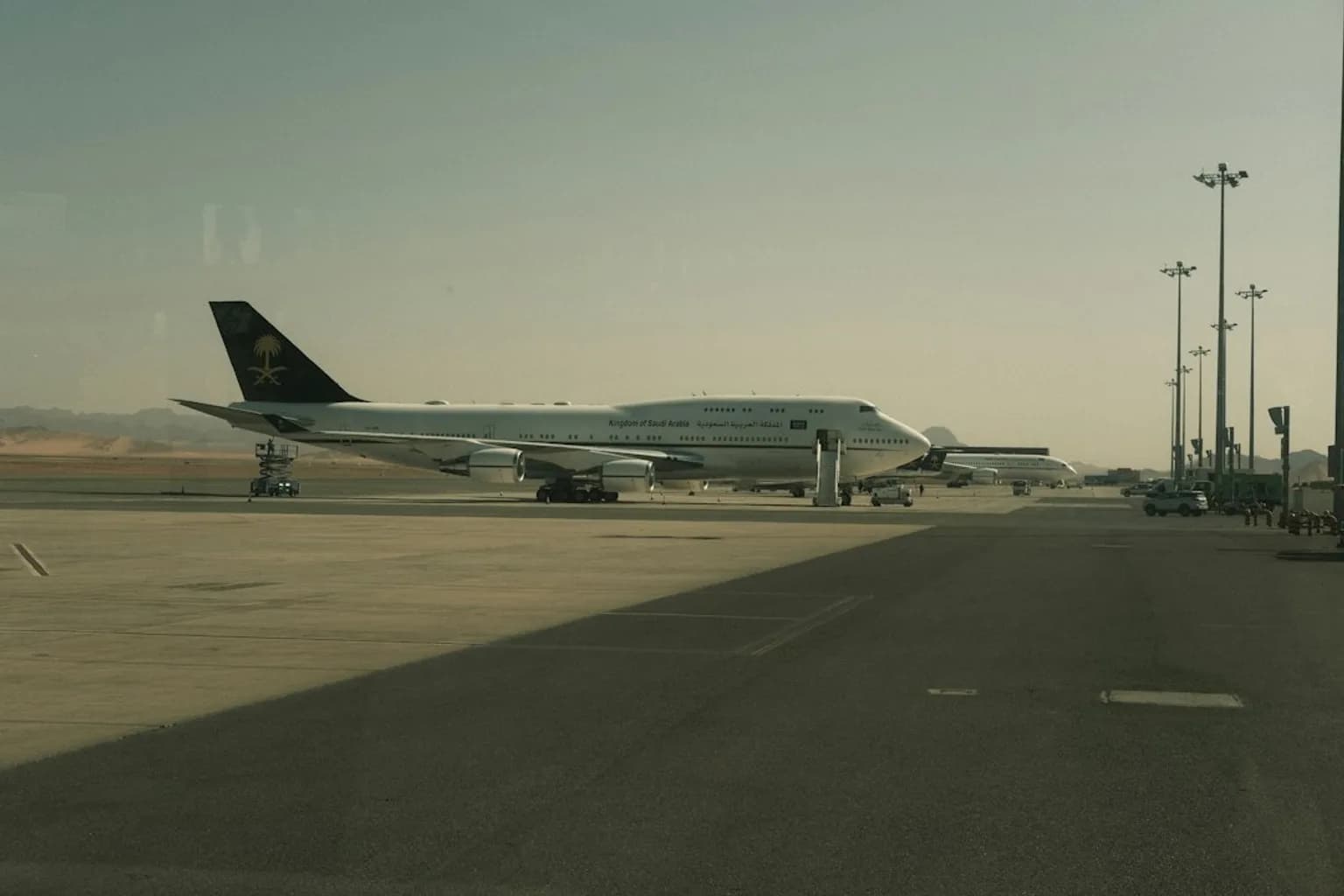
The airport has been forced to suspend operations, divert flights and warn passengers against travelling to Riyadh. It was expected to remain closed until Saturday.
Yahya Sarea, the Houthi military spokesman, said the group had fired missiles and drones at the airports in Riyadh and Dammam, as well as two oil and gas facilities in Eastern Province. He warned airlines and passengers against using Saudi airports except for travel to Mecca and Medina.
The sequence of attacks brought deaths across several days. On Thursday, two strikes at King Khalid killed three Saudis, including a Saudia pilot. One strike hit an airport facility and the other an aircraft.
On Saturday, a Houthi missile struck Terminal 3. Reports put the death toll at at least 12, with approximately 309 people injured.
A separate account said the Terminal 3 strike killed 13 people and forced the airport to close.
The victims identified from Saturday’s attack included four Saudis, two Bangladeshis, one American, one Egyptian, one Jordanian, one Syrian, one Palestinian, one Sudanese and one Indian. An Egyptian flight attendant was among those affected.
On Sunday, a Pakistani man was killed when another terminal at King Khalid was attacked. King Fahd International Airport in Dammam was also attacked that day, with no casualties reported.
An “unknown projectile” hit a passenger hall on Sunday.
Explosions were heard in Riyadh on Monday night. The Saudi-led military coalition said it had intercepted and destroyed a ballistic missile.
The Houthis said the attacks were retaliation for “brutal Saudi aggression” in areas under their control in western Yemen. Sarea said they followed 124 Saudi air strikes in Yemen over the previous 24 hours.
The civil war between Yemen’s government and the Houthis has lasted for more than a decade. Saudi Arabia has not faced a threat of this severity since the al-Qaeda insurgency of the mid-2000s.
Prince Abdul Aziz bin Salman, Saudi Arabia’s energy minister, promised a “serious response” to attacks on the kingdom’s airports and oil and gas facilities.
Prince Khalid bin Salman, the Saudi defence minister, said in Riyadh that Saudi Arabia and Pakistan would continue joint efforts under a pact to confront attacks against the kingdom, following talks with Pakistan’s army chief Asim Munir.
Airlines moved quickly to alter their schedules. Qatar Airways said it would temporarily suspend flights to Riyadh and Dammam. Etihad Airways cancelled services between Abu Dhabi and Riyadh, Jeddah and Dammam because of “regional disruption”.
Air India said it was extending cancellations of flights to and from Riyadh until October 15.
The European Union Aviation Safety Agency expanded the area in which it advises airlines not to fly, citing the attacks on Riyadh airport and risks to civil aviation. OPSGROUP, an aviation risk monitoring advisory body, advised aircraft against flying over the kingdom.
The attacks have exposed a pressing operational problem for Saudi aviation. The Houthis have apparently penetrated Saudi air defences with ease, while Saudi Arabia is experiencing a critical shortage of interceptor missiles as attacks intensify.
For airports, the immediate burden is keeping passengers and aircraft away from danger while maintaining plans for closures, diversions and suspended operations. The wider duration of the disruption, and the next targets, remain unknown.




Comments (0)