
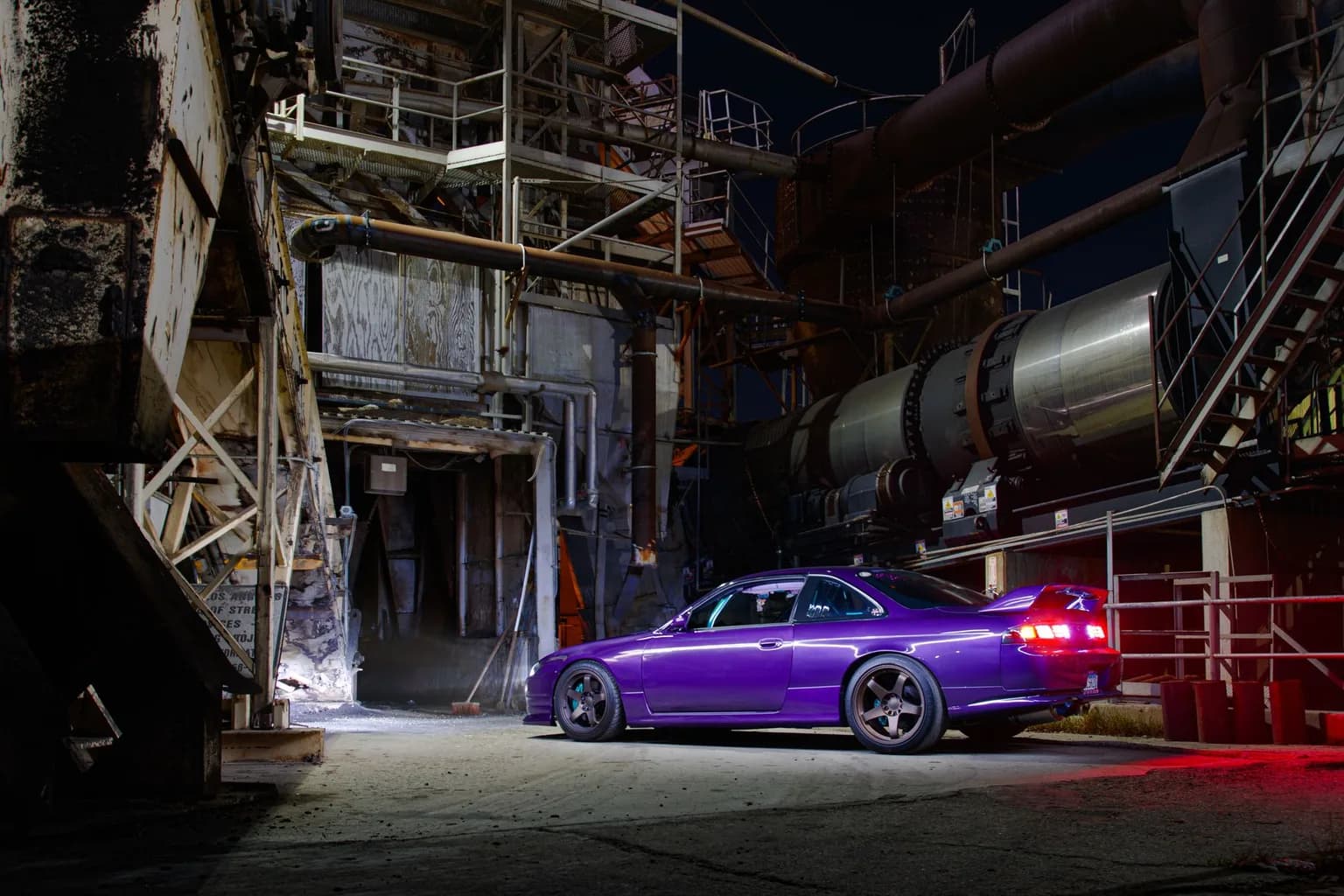
Nissan’s Sunderland site, Britain’s biggest car factory, employs 6,000 people and has capacity for 600,000 vehicles a year. In March, the company privately warned that the plant could be forced to close if Britain were frozen out of EU incentives.
That warning has sharpened the choice facing ministers. Britain charges a standard 10% duty on Chinese-built electric cars, while the EU’s combined rates run from 17.8% to 45.3%, depending on the manufacturer.
The EU introduced countervailing duties of 7.8% to 35.3% on Chinese battery EVs in October 2024 after anti-subsidy investigations. Added to its standard 10% import duty on cars, those charges created the higher combined rates.
EU officials then told Britain that it would need to align its China trade policy if British manufacturers were to avoid discriminatory treatment under the bloc’s proposed Made in Europe rules. Prime Minister Andy Burnham received that warning from EU officials.
Jonathan Reynolds, the business minister, began drafting a package of possible levies on Chinese car imports.
Ministers are now ready to align with the European Union’s 45% tariff on Chinese EVs in an effort to retain access to the Made in Europe scheme. EU officials have warned that Britain could be excluded from the preferential mechanism if it does not act on Chinese EV imports.
The issue is largely one of where British carmakers sell their vehicles. The EU took 58% of UK car exports in the first half of 2026, compared with about 4% for China. Two-way automotive trade between the UK and EU is worth roughly €80 billion a year.
British automotive production supports €24 billion of economic activity and 250,000 jobs across the EU.
British buyers are also tied closely to the European market. Chinese-made cars accounted for 14 per cent of British new-car sales in 2025, while EU-made cars represented 61 per cent.
The proposed British response would land unevenly across Chinese producers, reflecting the EU system. SAIC, the state-owned group behind the MG marque, faces the highest EU tariff scale at 45.3%. Geely pays 28.8%, BYD 27.0% and Tesla’s Shanghai-built cars 17.8%.
China’s exports have made the decision more pressing for Europe. Chinese electric vehicle exports rose 33 per cent year on year in August to more than 284,000, with almost 95,000 going to Europe. Year-to-date EV exports at the end of August stood at more than 2.1 million, up 53 per cent year on year.
The tariff dispute has already produced a response from Beijing. After the EU imposed its EV duties, China opened anti-dumping investigations into European brandy, pork and dairy imports. It later imposed duties of up to 34.9% on brandy in July 2025 and up to 19.8% on pork in December.
Other major markets have taken different approaches. The United States has raised its levy on Chinese-built EVs to 100%, while Japan imposes no duty on imported passenger cars.
For Sunderland, the policy choice has an added twist. Nissan is now in talks to build vehicles for China’s Chery at the plant.
Britain has retained its own trade policy, yet access to the EU’s preferred arrangements is pushing ministers towards Brussels’ tariff line. Whether Britain formally adopts the 45% rate, seeks a different threshold, or secures access through partial alignment remains unclear.



Comments (0)